
Reviewed · WALKING TOURS
Bangkok: A Walk of Multiculturalism
Bangkok feels different when you cross the river side. This Thonburi walk of multiculturalism takes you into neighborhoods and markets that most visitors skip, with Chinese shrines and community stories that put Bangkok’s mix of people into plain context. I especially like how the route focuses on everyday places and community life, not just big-name sights, and I also like that the walk gives you names and backgrounds behind what you see on the street.
One thing to plan around: it is not suitable for wheelchair users, and transport to the meeting point is optional, so you will want to handle getting there on your own.
In This Review
- Why this Thonburi walk feels like Bangkok, not a checklist
- Thonburi first, then Bangkok
- What the walking route actually gives you
- Chinese shrines: small places, big meaning
- Muslim heritage stories, including ancient Persian roots
- Old communities beside modern development
- Temples and landmarks, with context that sticks
- Snacks, soft drinks, and entry fees that keep it comfortable
- Getting to the meeting point, and how the route ends
- Price and value: is $74 per person fair?
- Who should book this Thonburi multicultural walk
- A practical way to get the most from it
- Should you book Bangkok: A Walk of Multiculturalism?
- FAQ
- What does this tour focus on?
- How much does it cost?
- What is included in the price?
- Are alcoholic drinks included?
- Where does the tour start?
- Where does the tour end?
- Is transport to the meeting point included?
- What languages is the tour available in?
- Is the tour suitable for wheelchair users?
- Can I reserve and pay later?
- What is the cancellation policy?
Why this Thonburi walk feels like Bangkok, not a checklist
- Old Bangkok, explained in human terms, from Thai and Laotian roots to Chinese and Indian communities, and how temporary settlers became neighbors
- Chinese shrines you can’t easily spot on your own, with context for why they sit where they do in this part of the city
- Muslim family stories with roots tracing back to ancient Persia, told as living heritage, not museum trivia
- Narrow alleys and local markets, where you get contrast between traditional routines and modern development
- Temples and landmarks with sharper meaning, so you understand what you are looking at before you move on
- Included snacks and drinks, which matter on a walking day when you want steady energy
Old Bangkok, block by block
Thonburi first, then Bangkok
If you know Bangkok only as a skyline and a temple photo, this experience changes your reference points fast. Thonburi sits on the other side of the Chao Phraya River compared with central Bangkok, and that river shift matters historically. This walk is built around that idea: old Bangkok communities formed, traded, prayed, and lived with a constant flow of people moving through the city.
I like that the tone stays practical. Instead of grand speeches, you learn how multicultural communities took shape street by street, and why those old patterns still show up today in everyday life. You also get a clear sense that diversity is not a modern trend here, it is part of the city’s original rhythm.
What the walking route actually gives you
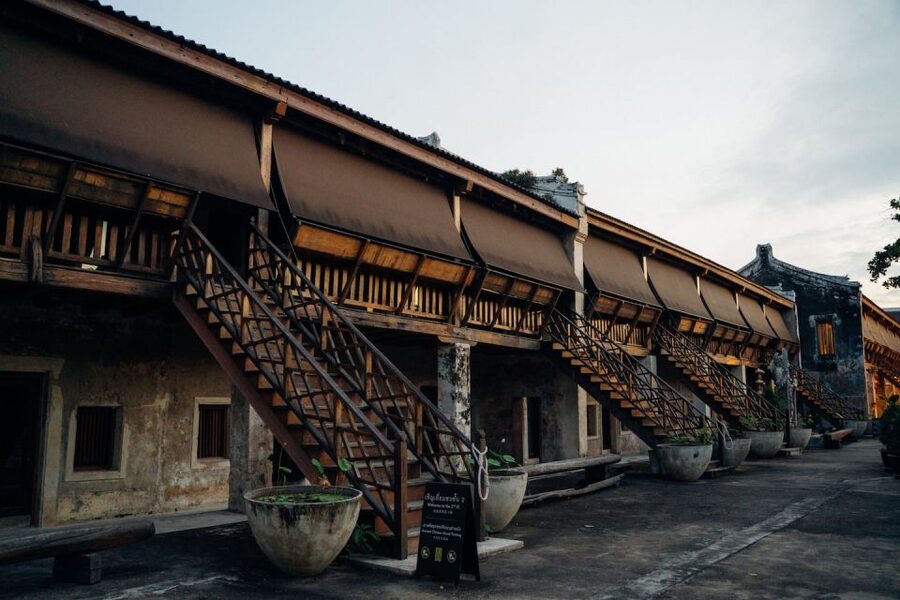
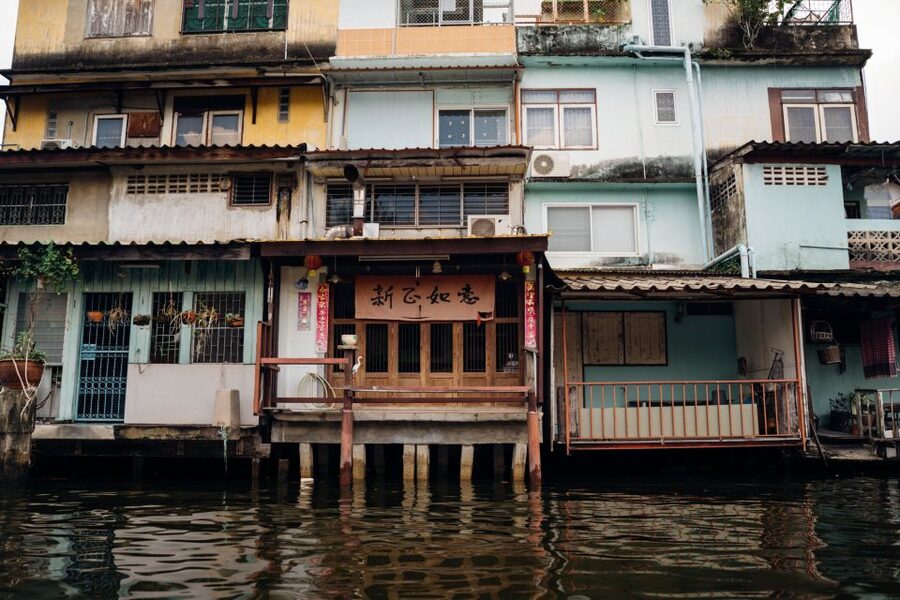
This is a walk through real neighborhoods, not a bus-and-photo kind of day. You will move through narrow alleys where shops and homes sit close together, and you will pass lively local markets that feel grounded in daily routines.
The best part is the contrast. You are not only seeing old-style community life, you are also noticing how modern development sits beside it. That side-by-side view is where the story clicks, because it helps you understand why some traditions persist while the city around them keeps changing.
Also, you should expect that the route is more about observing and listening than about ticking off landmark after landmark. Temples and well-known sights may appear along the way, but the main value is the commentary that connects them to community history.
Chinese shrines: small places, big meaning
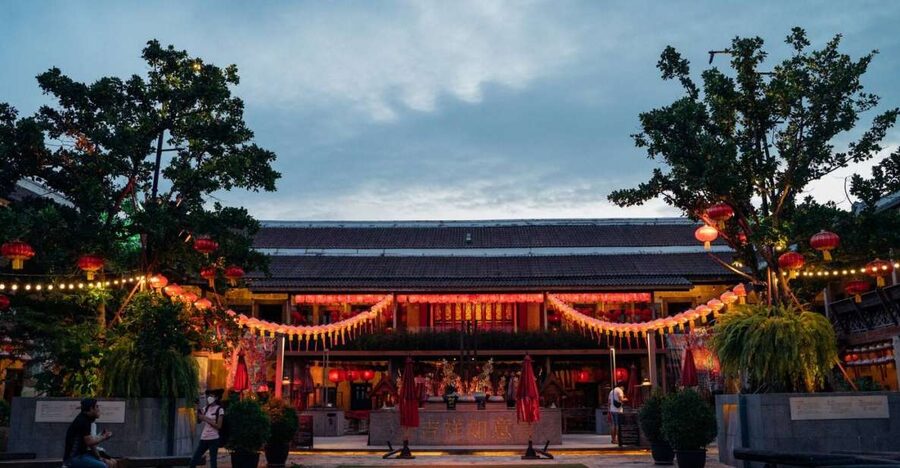
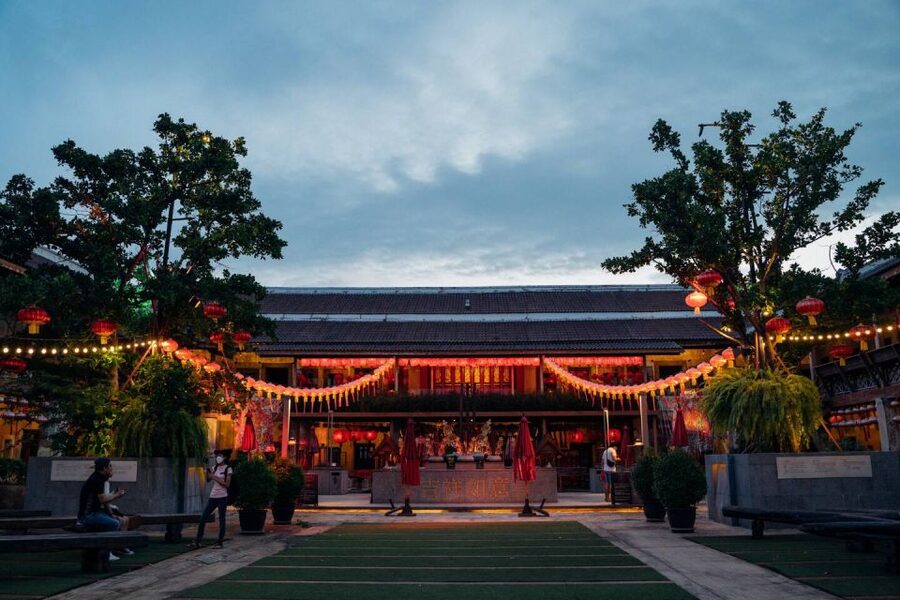
Chinese shrines show up across Thailand, but here you learn to see them as community markers, not just pretty details. During the walk, you focus on what these shrines represent in this area of Bangkok, and how they relate to the Chinese presence that shaped Thonburi over time.
What I like is that you are not just told what the shrine is. You get the context for why these shrines belong in this kind of neighborhood, and how different groups lived next to each other while keeping distinct cultural practices. That helps you look at similar sites elsewhere in Bangkok with more understanding, even after the walk ends.
If you enjoy cultural reading between the lines, this stop style is for you. It is visual, but it is also interpretive, and you will leave with a better instinct for what you are seeing.
Keep scrolling, there's usually one more worth booking.

Muslim heritage stories, including ancient Persian roots
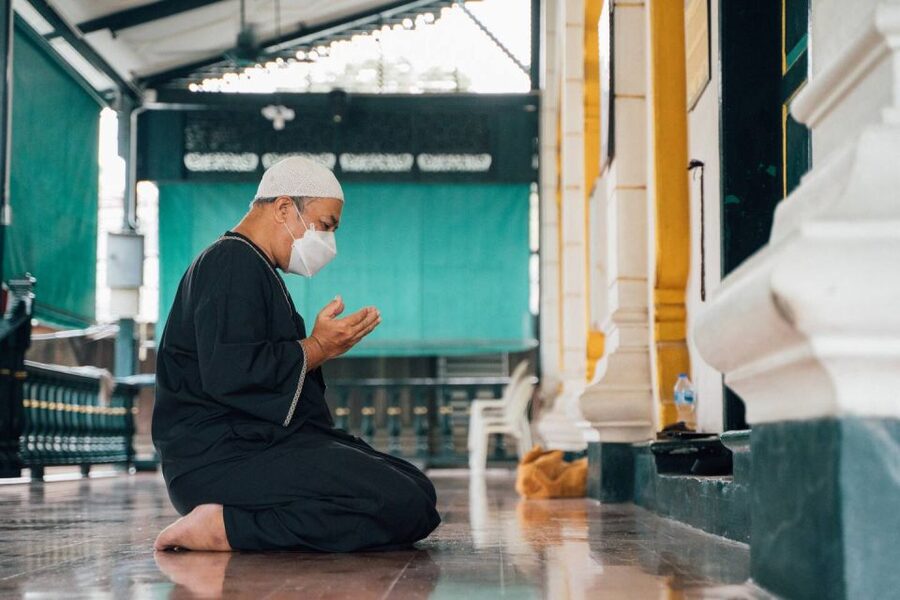
One of the most memorable parts is hearing stories of Muslim families whose roots trace back to ancient Persia. Instead of treating this as a distant historical fact, the walk presents it as continuing heritage, something families remember and celebrate in ways that still make sense in today’s city.
This is valuable because it broadens your idea of what Bangkok multiculturalism looks like. Many visitors can name Chinese influence easily, and temples are easy to spot. But family stories like this turn the city into a place of relationships and memory, not just architecture.
It also gives you a better way to understand why the city’s culture is not one uniform style. It is layered, shaped by trade, migration, and people settling temporarily, then staying long enough to become part of the neighborhood fabric.
Old communities beside modern development
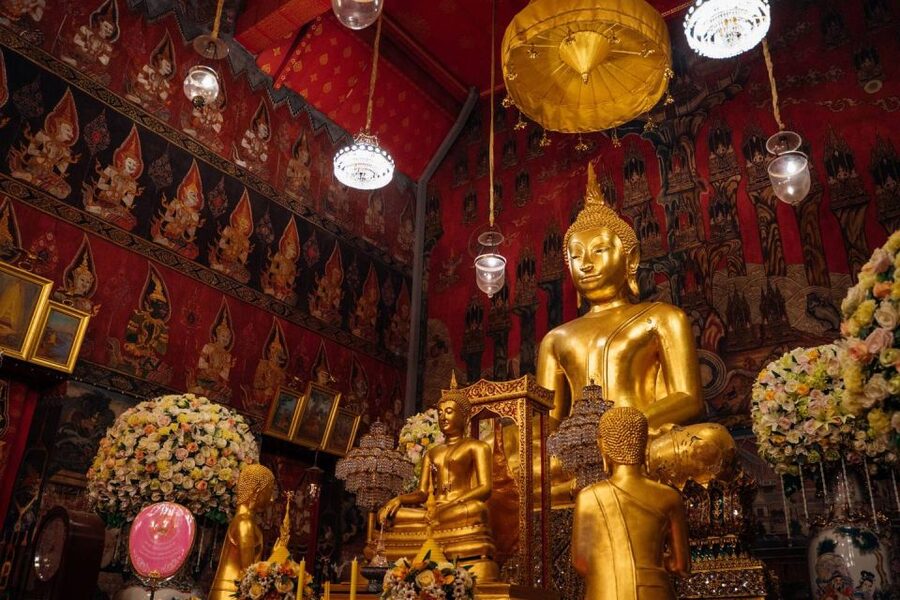
A big theme here is the co-existence of old community life with modern Bangkok. You will see that in the way everyday spaces function and in how newer changes do not instantly erase the past. That matters because it explains why Bangkok can feel both chaotic and continuous at the same time.
I find that this kind of perspective makes your future sightseeing easier. Once you understand how communities formed in Thonburi, you start recognizing patterns, like how a neighborhood’s cultural mix influences what you see at street level. Even if you are only in Bangkok for a few days, this helps you avoid the common trap of seeing things as isolated attractions.
Temples and landmarks, with context that sticks
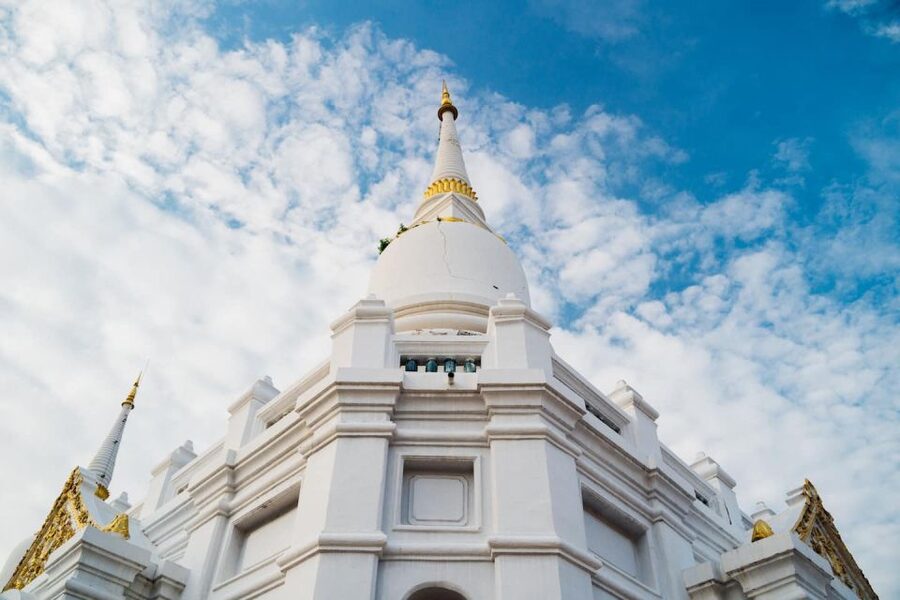
Even though this walk is about neighborhoods, you still get access to the sights you would normally associate with Bangkok. The difference is the framing. Instead of treating temples and landmarks as stand-alone stops, you get the cultural background that explains why certain places mattered to the communities that lived nearby.
That is a practical improvement. When you arrive at a well-known sight with context in your head, you spend less time guessing and more time noticing details that actually mean something. It also keeps the day from turning into a blur of photo angles.
Think of this as building a map in your mind first, then using it as you walk. The route teaches you how to read the city, so you can keep reading after the tour finishes.
Snacks, soft drinks, and entry fees that keep it comfortable
This experience includes snacks during the walk, plus soft drinks and coffee or similar drinks. That sounds small until you are on your feet, in the sun, and trying to enjoy side streets instead of stopping for food every hour.
The walk also includes entry fees, which is a real value point. You do not have to worry about paying on the spot for the sites you visit, and it helps keep the day smooth. Add the local expert to that, and the “included” list becomes more than a checklist. It is part of why this is a manageable, traveler-friendly way to explore.
One more practical note: alcohol is not included. If you like to plan your day with that in mind, you can keep it simple and save your beer or wine for dinner later.
Getting to the meeting point, and how the route ends
The tour starts at Exit number 3 and ends back at the meeting point. That back-to-start layout is helpful if you are planning onward travel. It also makes the day easier to organize, since you are not trying to guess where the route might send you.
Transport to the meeting point is optional, not included, so you will want a plan for how you get there. If you are comfortable using Bangkok transit or grabbing a short ride, you will likely find it easy. If you prefer a driver for everything, you may want to arrange that separately.
Price and value: is $74 per person fair?
At $74 per person, this is not the cheapest way to see Bangkok, but it is also not overpriced for what you get. Here is the value logic, based on what is included:
- A local expert who guides you through culturally specific neighborhoods, not just a scripted walking path
- Snacks plus soft drinks and coffee, which reduces the need for constant stops
- Entry fees included for the places you visit
- The time investment you save by having someone connect the dots between shrines, family stories, and the city’s multicultural mix
In other words, you are paying for interpretation and access, not only walking. If you are the type who likes to understand the why behind what you see, this price usually makes sense. If you prefer independent wandering with zero structured input, then you might feel the cost more sharply.
Who should book this Thonburi multicultural walk
This fits best if you like cultural context and neighborhood-level travel. You will probably enjoy it most if you want to understand how different groups shaped Bangkok over time, including Thai, Laotian, Chinese, and Indian communities, and the community traditions tied to Chinese and Muslim heritage.
It is also a good choice if you want to get off the common route. The experience is specifically designed to help you see areas you might not choose on your own, and the payoff is a clearer understanding of how Bangkok’s diversity functions at street level.
One caution: it is not suitable for wheelchair users. If accessibility is a concern, you will need to choose a different format.
A practical way to get the most from it
To make the most of a walk like this, show up ready to listen and notice. Keep your phone handy for photos, but do not treat pictures as the goal. The point is learning how the multicultural story shows up in real spaces.
Also, wear shoes that can handle narrow lanes and lots of walking. The included snacks and drinks will help, but you will still want basic comfort. And since the tour ends where it starts, you can plan dinner nearby without a long scramble across town.
Should you book Bangkok: A Walk of Multiculturalism?
I think you should book it if your Bangkok goal is deeper cultural understanding, not only headline sights. The strongest appeal is the way it connects everyday places in Thonburi to the city’s multicultural roots, including Chinese shrines and family stories linked to ancient Persia. It also tends to satisfy people who want neighborhoods they would not naturally pick on their own.
You might skip it if you want a fast, landmark-heavy day, or if you need wheelchair-friendly accessibility. But for most curious travelers, this is a smart value choice because the included expert guidance, snacks, and entry fees turn a walk into a real learning experience.
If you are interested in how Bangkok became Bangkok, this is one of the more direct ways to see it.
FAQ
What does this tour focus on?
It focuses on Bangkok’s Thonburi area and how multicultural communities shaped the neighborhoods, including stories connected to Thai, Laotian, Chinese, and Indian backgrounds, plus Chinese shrine and Muslim family heritage.
How much does it cost?
The price is $74 per person.
What is included in the price?
Included items are snacks during the walk, soft drinks and coffee or similar drinks, a local expert, entry fees, and other items listed as more.
Are alcoholic drinks included?
No, alcoholic drinks are not included.
Where does the tour start?
It starts at Exit number 3.
Where does the tour end?
The tour ends back at the meeting point.
Is transport to the meeting point included?
Transport to the meeting point is not included, but it is optional.
What languages is the tour available in?
The languages are English and Thai.
Is the tour suitable for wheelchair users?
No, it is not suitable for wheelchair users.
Can I reserve and pay later?
Yes. It offers Reserve & Pay Later, so you can book your spot and pay nothing today.
What is the cancellation policy?
You can cancel up to 24 hours in advance for a full refund.
The newest additions around Bangkok
- Train Market, Floating Market, and Salt Lake Tour by driver
★ 5.0 · 1 review - Central Thailand Walking Tour and visit Temple at Bangkok
★ 5.0 · 1 review - Private 2-Day Bangkok City Tour and Ayutthaya Tour from Bangkok
★ 5.0 · 1 review - Fullday Private Tour Bangkok Temple & City Tour with lunch+Amazing Bangkok Tour
★ 5.0 · 1 review - Bangkok: One Day Thai Costume Rental (Gentleman)
★ 2.0 · 1 review - Laem Chabang Shore Excursion : Shopping, Massage & Food Tasting
★ 5.0 · 1 review - Bangkok Dream World & Snow Town Theme Park Admission Ticket
★ 3.0 · 1 review - Bangkok 4 Hour Cultural & Temples Tour Private with Guide
★ 5.0 · 1 review
Walking Tours, compared.
City Highlights Temple and Market Walking Tour
Read our review →
Grand Palace and Wat Phra Kaew Guided Walking Tour
Read our review →
Bangkok Authentic Tasting Thai-Chinatown Walking Food Tour
Read our review →
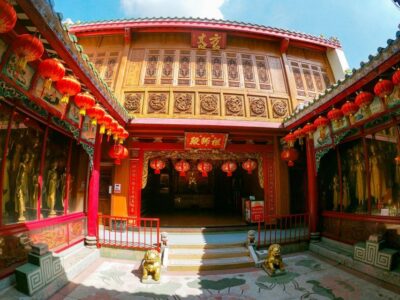
Discover a Taste of Chinatown – 2 Hr Walking Tour
Read our review →
City Highlights and Landmarks Private Walking Tour
Read our review →
Local Life, Culture & Food Walking Tour at Chinatown
Read our review →Browse the lists this tour appears in