
Reviewed · BANGKOK STREET FOOD TOURS
Bangkok: Discover a Taste of Chinatown – 2 Hr Walking Tour
Chinatown smells like dinner. This 2-hour, flexible walking tour in Yaowarat lets you graze at your own pace, with big-name stops like Guay Jub Ouan Pochana MICHELIN Bib Gourmand noodle soup and Pa Tong Go Savoey’s crispy dough sticks. I like the no fixed itinerary style because it actually matches how street food works, but plan for one drawback: food costs are not included, so you’ll need cash and a budget for tastings.
What really makes this tour work is the human part. The guide leads in English, keeps the group moving safely, and can add cultural context along the way, including temple visits in some cases (one guest specifically mentioned Buddhist temples and prayer customs). It’s also a small group, limited to 9 people, with responsible tourism noted as GSTC-certified.
One more practical note before you go: it’s not suitable for wheelchair access, and it’s also not recommended for people with mobility impairments, heart problems, or respiratory issues. If you’re generally healthy and comfortable walking, this is a strong way to experience Chinatown without guessing where to eat.
In This Review
- Key things to know before you go
- Meeting Wat Mangkon and starting with the right kind of focus
- Yaowarat Night Market food tasting, without the stress of a rigid route
- The famous stalls you may stop for, and what to order first
- Guay Jub Ouan Pochana
- Pa Tong Go Savoey
- HKN Hong Kong Noodle
- HAGOW Yaowarat for dim sum
- Temple side notes, prayer customs, and why this matters (when it happens)
- How flexible dining works in real life, plus a simple budgeting strategy
- Pace, safety, and what to bring for a comfortable night walk
- Small groups, guide styles, and why Fern, Paew, and others changed the tone
- Who this tour is best for, and who should skip it
- Should you book the Bangkok Chinatown taste walk?
- FAQ
- Where do I meet for the tour?
- Is there a fixed itinerary with set foods?
- How long is the tour?
- What does the price include?
- Are food tasting costs included in the price?
- How many people are in the group?
- What language is the tour guide?
- Is the tour wheelchair accessible?
- Who should not take this tour?
Key things to know before you go
- Flexible route, no fixed itinerary, so you can focus on what you’re craving
- Known Chinatown stops like Guay Jub Ouan Pochana and Pa Tong Go Savoey, plus noodle and dim sum favorites such as HKN Hong Kong Noodle and HAGOW Yaowarat
- Small group size (max 9), which helps you ask questions and get real ordering tips
- GSTC-certified responsible touring, with insurance included
- English-speaking guide and occasional extra cultural stops, including Buddhist temple time when the route allows
Eat where the locals actually eat
Meeting Wat Mangkon and starting with the right kind of focus
Your tour starts in a very specific place: meet outside Exit 3 of Wat Mangkon MRT station. The guide will be holding a TripGuru sign, and you’ll want to arrive about 10 minutes early so you don’t feel rushed in a crowded area. The company emails you the evening before with the exact pickup time and meeting details, which matters because night market plans can shift with weather and stall availability.
That early orientation is more than a logistics check. In Chinatown, the biggest mistake is wandering in without a plan and then losing 30 minutes to lines, confusion, or ordering mistakes. A walking tour like this helps you get your bearings fast, in the right food zones, and with someone who can point you to what’s good and what to skip.
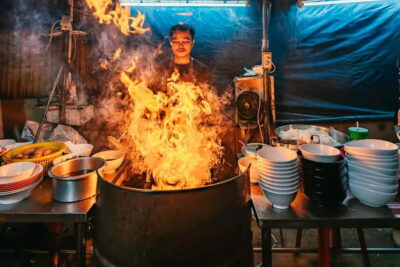
Expect a real nighttime street-food pace. You’ll be walking between stalls and storefronts, stopping to taste, and moving again, all within a 2-hour window. That time is long enough to feel like you’ve sampled the district, but short enough that you won’t end up fried by the heat, humidity, and crowds all at once.
Yaowarat Night Market food tasting, without the stress of a rigid route
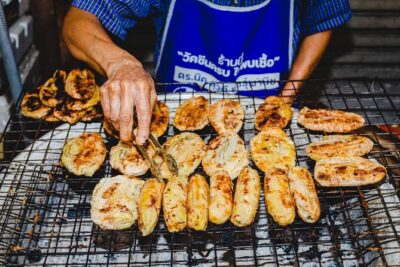
The core of the experience is the Yaowarat Night Market segment. Think of it as guided wandering focused on eating, not sightseeing for sightseeing’s sake. The tour is described as having no fixed itinerary, which means you won’t be locked into a strict sequence like appetizer, main, dessert, done.
In practice, that freedom is a big deal. Street food in Yaowarat changes fast. A stall might be busy one moment and shut down the next, and some items are only available during certain periods. A flexible route helps you follow the best options while still getting the structure you need from a guide.
The tour setup also fits different food styles. You can be mostly savory, mostly sweet, or both. You’re tasting along the way, rather than sitting down for a single meal where you might end up with one dish that does not match your tastes.
A few reviews hint at how adaptable the guide can be. One guest mentioned a nut allergy being considered during the tour. Another mentioned the guide tailoring the route based on what the person wanted most, like food versus history versus sightseeing. The takeaway for you: if you have dietary needs or strong preferences, bring them up early. This is the kind of tour where the guide can steer, instead of forcing you into a set menu.
The famous stalls you may stop for, and what to order first
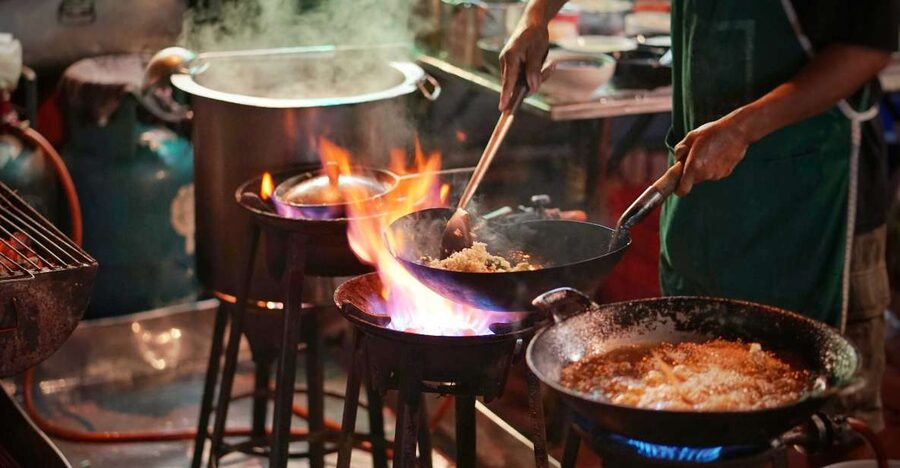
This tour name-checks several Chinatown heavy hitters, and that matters because you’re not just paying for walking. You’re paying for a guide who knows which places are worth your attention, and likely how to navigate ordering without hassle.
Here are some of the specific stops mentioned as part of the tour experience:
Old Bangkok, block by block


Guay Jub Ouan Pochana
Guay Jub Ouan Pochana is linked with a MICHELIN Bib Gourmand rice noodle soup. If you like comfort food that looks humble but tastes serious, this is the kind of stop that fits. Rice noodle soup in Chinatown usually means you can find layered flavors, from the broth depth to toppings that change the texture in every spoonful.
How to get more out of it: treat this like your anchoring dish. Try it early enough that you can still taste the differences later, when you sample other items.
Pa Tong Go Savoey
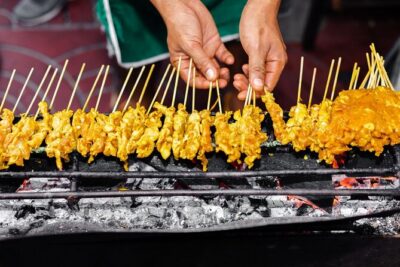
Pa Tong Go Savoey is called out for crispy dough sticks. This is classic street-snack territory: crunchy outside, soft interior, and often paired with sauces or sweet options depending on what the stall serves that night.
If you’re the type who tends to wait until the end for desserts or snacks, I’d still do at least one crispy-dough-stick tasting during the tour. It’s a good palate reset between richer or saucier items.
HKN Hong Kong Noodle
HKN Hong Kong Noodle is referenced as a place where you’ll find more authentic noodle choices. If you’re tired of only seeing the same crowd-pleasers, this is the kind of stop that can widen what you try. Noodles can be deceptively simple, so this is where the guide’s selection matters.
HAGOW Yaowarat for dim sum
HAGOW Yaowarat is mentioned for authentic dim sum. Dim sum is a smart move on a short walking tour because you can sample multiple bites without committing to a full sit-down meal. It also tends to vary by what’s fresh that night.
If you want variety, dim sum is where you can get it. If you’re more interested in one standout flavor, you can still use the guide to help you pick the item most aligned with your taste.
One important reality check: the exact stall order may shift with weather, restaurant access, and what’s available. The instruction you’ll get is that itinerary details are subject to change, so don’t expect every single named stop at every time slot. What you can expect is that the guide uses local knowledge to steer you toward proven food options.
Temple side notes, prayer customs, and why this matters (when it happens)
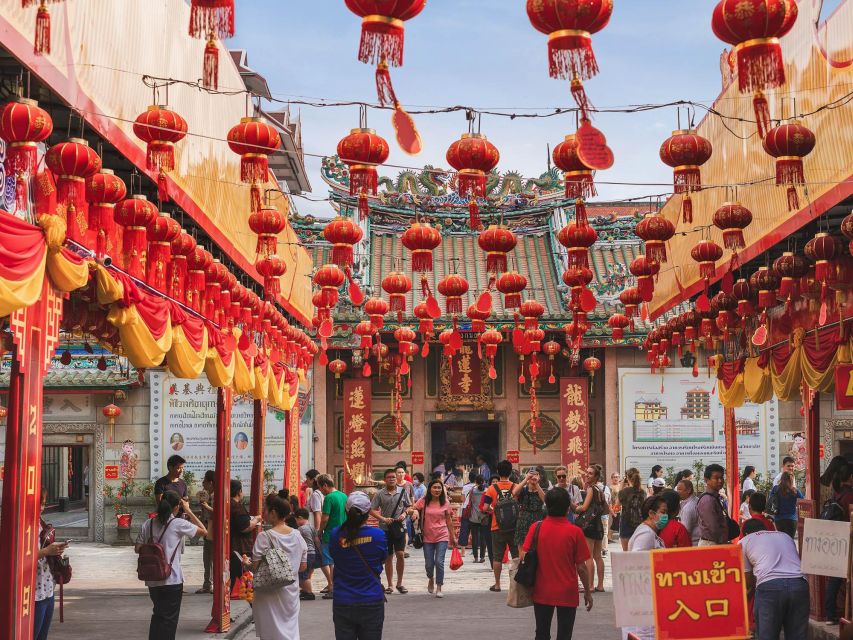
Some guides add cultural context beyond food. A few guests specifically mentioned Buddhist temples, including learning how you pray, and even being shown monk accommodation in at least one case. Another guest described a guide taking them inside a Buddhist temple to see a ceremony.
You should not treat this as guaranteed. But if your tour includes temple time, it’s valuable because Chinatown is not just street food. It’s also community life, faith, and everyday routines in a district shaped by generations of people.
For you as a visitor, this is where the experience can shift from only eating to understanding. When a guide explains what people are doing and why, you see the food stalls with more context too, since the district’s culture and community habits influence daily eating patterns.
Practical tip if you’re open to temple stops: wear clothing that helps you stay comfortable walking and that you can cover if needed. The tour details list scarf and sarong as items to bring, which is a good hint that you might get the chance to enter places where modesty helps.
How flexible dining works in real life, plus a simple budgeting strategy
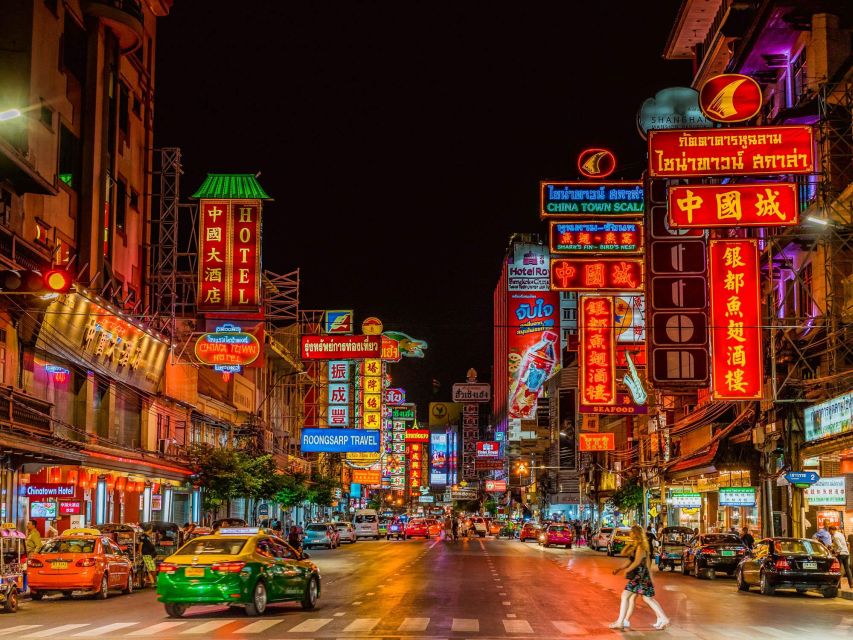
This is where the tour offers value in a way that’s easy to miss. You’re not paying to be forced into pre-paid tastings. Instead, you get the guide, the route logic, and the ordering help, and you choose what you taste.
Food tasting expenses are not included, so you’re buying your own bites. That means your total spend depends on your appetite and what you pick. One guest shared that they spent about $25 CAD on food during the tour, which suggests it’s possible to keep costs controlled if you choose smart portions. Another guest said they ate a lot of food, implying the opposite is also true.
So here’s a simple approach:
- Decide your target range before you start. If you want a light tasting, plan for fewer items. If you want a full-foodie night, plan more.
- Bring cash. The tour checklist explicitly suggests cash, and street stalls work best when you’re ready to pay quickly.
- Ask the guide to help you pick. In Chinatown, there are many options, but not all are equally good. A guide can reduce trial-and-error.
The price for the tour itself is $64 per person for 2 hours. That’s not a steal on paper, but you’re also getting a live guide, insurance, and carbon emissions offset credits, plus the small-group advantage of not being lost in a crowd. When food costs are separate, the math depends on your eating habits. Still, the guide saves you time and guesswork, which is the real “hidden value” of paying for a local route.
Pace, safety, and what to bring for a comfortable night walk
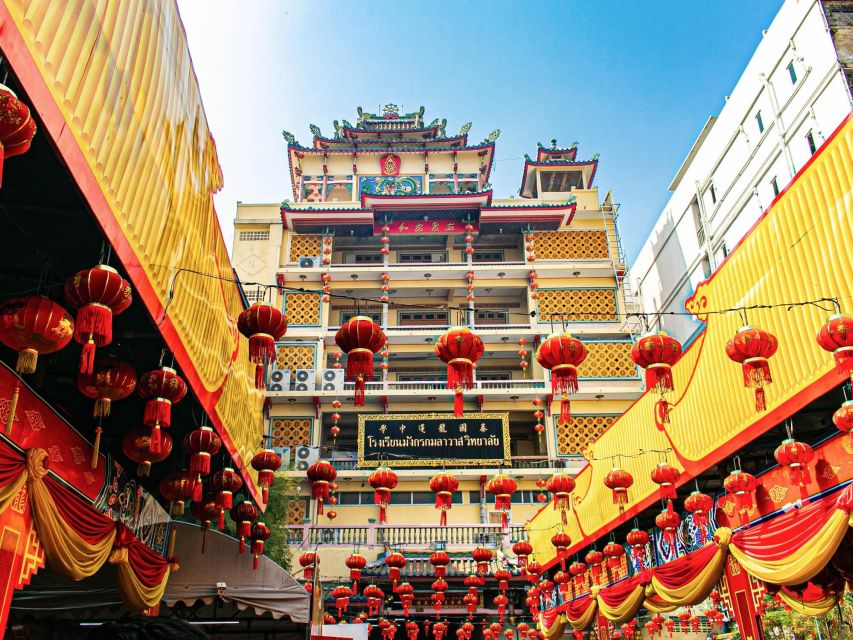
Night markets can be a workout, even when the tour is “only” two hours. The tour includes a walking segment, and there are reviews that mention the guide keeping people safe. You’ll be moving through areas with uneven sidewalks, standing areas, and frequent stops.
Bring what the tour lists:
- Comfortable shoes (non-negotiable for Chinatown nights)
- Umbrella and/or hat (weather and sun both matter)
- Sunglasses and sunscreen
- Insect repellent
- Camera
- Cash
- Scarf or sarong (useful if temple stops happen)
- Optional scarf and sarong style cover can also help you feel more respectful if you step inside any places of worship
Also note the tour is not suitable for wheelchair access, and the tour is listed as not suitable for pregnant women, people with mobility impairments, people with heart problems, and people with respiratory issues. That’s worth taking seriously. Don’t treat it as a technicality, because it affects the walking pace and the physical demands of nighttime street food.
If you’re sensitive to heat or crowded spaces, this is where your comfort planning pays off. Wear breathable clothing, and take small breaks if you need them during tastings.
Small groups, guide styles, and why Fern, Paew, and others changed the tone
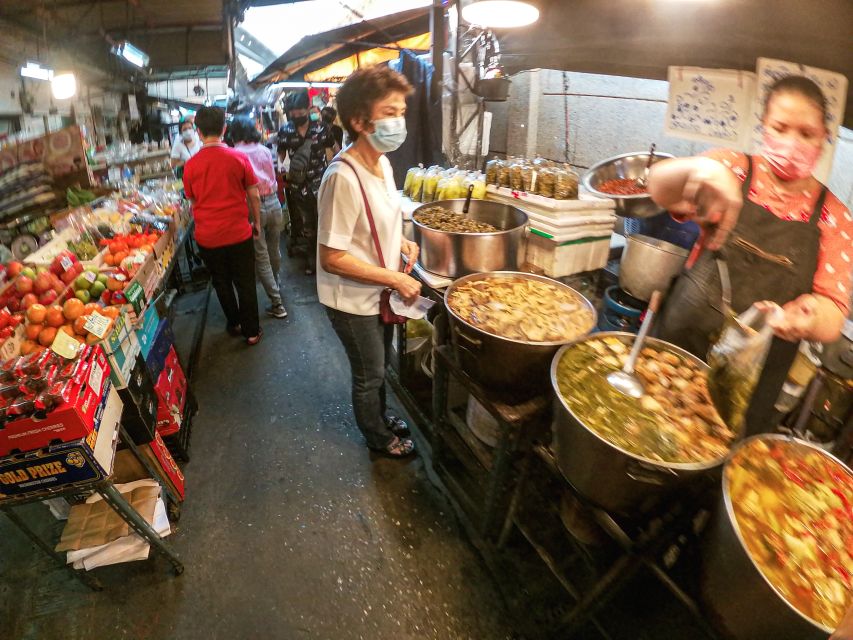
One of the most consistently praised parts is the guide. Several guests mention specific guide names and then describe what made them good.
Fern is mentioned for detail, humor, and safety. Paew is mentioned for tailoring the tour to interests and even handling a nut allergy while still letting the guest try many different foods. Belle is praised for knowledge and showing more intimate parts of Chinatown. Tom and Jimmy are praised for broad Chinatown knowledge and for personalizing the experience when only one person booked. Sunday and Chai are praised for answering questions and adding cultural context, including Buddhism and customs.
What you should take from this, without assuming every guide is the same: the guide is the product. The route is the framework, but the guide’s choices shape whether you end up with a “tastes good” night or a “this makes sense and I learned something” night.
That’s also why the small group limit matters. With up to 9 participants, you’re less likely to get steamrolled by the pace of a large group, and more likely to get answers to your questions in the moment.
Who this tour is best for, and who should skip it
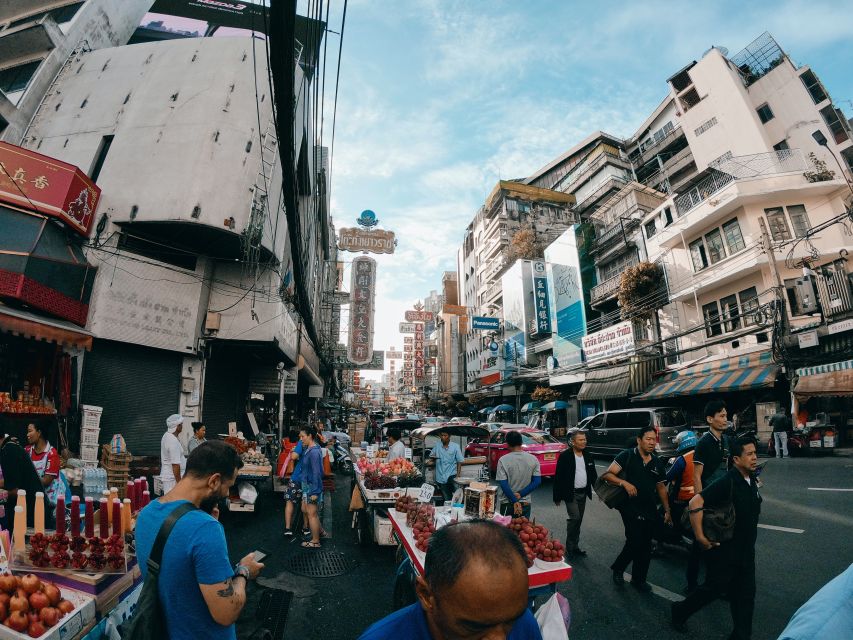
This tour is a good fit if you:
- Want a guided Chinatown food experience without having to research every stall
- Prefer flexibility over a strict tasting menu
- Like learning context along with eating, especially cultural notes connected to Chinatown
- Are traveling solo or as a couple and appreciate smaller groups
It’s less ideal if you:
- Have mobility challenges or need wheelchair access
- Have respiratory problems or heart issues, due to walking and nighttime conditions
- Are pregnant and prefer a lower physical demand option
- Want only packaged food or restaurant dining (street food means you’ll be standing and adjusting to what’s available)
Should you book the Bangkok Chinatown taste walk?
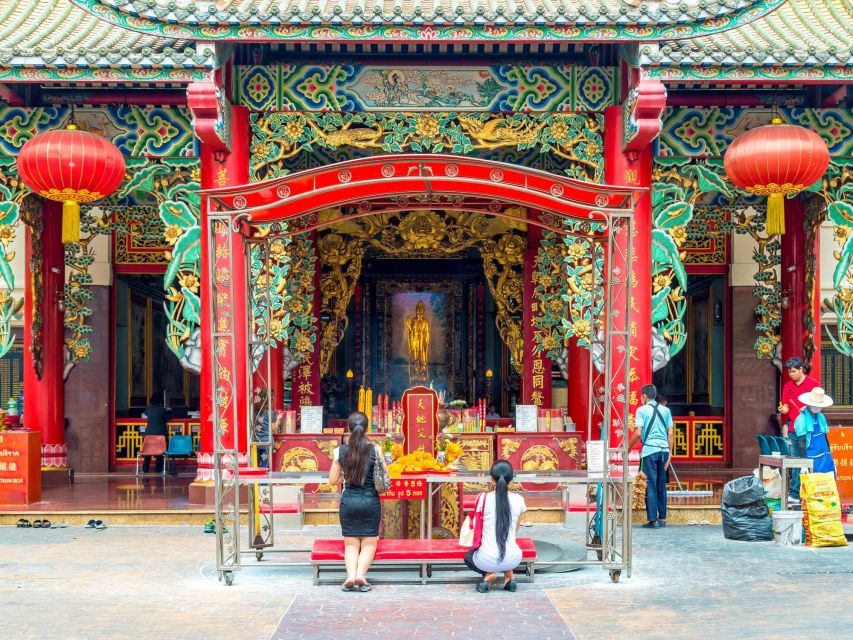
Yes, if you want a short, local-led way to eat in Yaowarat and you’re comfortable paying for food tastings separately. The big advantage is the combination of flexible route, specific Chinatown food picks, and a small-group English guide. You’re also covered with insurance and the tour is noted as GSTC-certified, which adds peace of mind beyond the food.
If you’re the type who likes eating in a totally predictable, sit-down setting, or you hate walking between stops, look at a more restaurant-based option instead. For many people, though, two hours in Chinatown with a guide beats hours of wandering plus guessing.
If you do book, I’d go in with a “tasting budget” and a mindset of sampling. Bring cash, comfortable shoes, and something to cover up if you end up near temples.
FAQ
Where do I meet for the tour?
Meet outside Exit 3 of Wat Mangkon MRT station. Your guide will be holding a TripGuru sign, and you should arrive about 10 minutes before your pickup time.
Is there a fixed itinerary with set foods?
No. The tour is described as having no fixed itinerary, so you can taste what you want at your own pace. The route may also change depending on weather and availability.
How long is the tour?
The duration is 2 hours.
What does the price include?
Included are an English- and Thai-speaking tour guide, a walking tour, insurance, and carbon emissions offset credits.
Are food tasting costs included in the price?
No. All food tasting expenses are not included, so you will need to pay for what you eat during the tour.
How many people are in the group?
It’s a small group limited to 9 participants.
What language is the tour guide?
The tour is listed as English. The included guide is described as English- and Thai-speaking.
Is the tour wheelchair accessible?
No. The tour is not suitable for wheelchair access.
Who should not take this tour?
The tour is listed as not suitable for pregnant women, people with mobility impairments, people with heart problems, and people with respiratory issues.
The newest additions around Bangkok
- Dream World & Snow Town in Bangkok with Return Transfer & Lunch
★ 4.5 · 3 reviews - Bangkok: Nong Nooch Garden
★ 5.0 · 3 reviews - Private tour to Ayutthaya and Lopburi Monkey Temple (from Bangkok)
★ 5.0 · 3 reviews - Guided Tour of Grand Palace & Emerald Buddha Temple in Bangkok
★ 5.0 · 3 reviews - Half Day DIY Grand Palace and Emerald Buddha Temple
★ 4.5 · 3 reviews - HD-01 Koh Rattanakosin old town cycling with The Giant Swing, and more
★ 5.0 · 3 reviews - Glittering Ayutthaya Tour to Famous Sights, Market & Sunset Boat
★ 4.5 · 3 reviews - Private Tour: The Best of Bangkok Temples – Half Day
★ 4.0 · 3 reviews
Bangkok Street Food Tours, compared.
Bangkok Backstreets Food Tour with 15+ Tastings
Read our review →
Bangkok Authentic Tasting Thai-Chinatown Walking Food Tour
Read our review →
Bangkok Tuk-Tuk Tour by Night with Chinatown Street Food Meal
Read our review →
Browse the lists this tour appears in