
Reviewed · BANGKOK STREET FOOD TOURS
Local Life, Culture & Food Walking Tour at Chinatown
Chinatown turns history into sidewalk stories. In this small-group walking tour, I like the way you get real Thai-Chinese street food tastings and local context, not just photos. You start at the MRT-linked entrance near Odeon Circle, then move through markets, old lanes, and places most visitors skip.
I also like the focus on everyday culture, especially the stops at historic temples and shrines where incense, gold details, and community routines feel personal. One consideration: it’s a walking tour with no wheelchair access and no room for luggage or large bags, so plan for comfortable shoes and smart packing.
In This Review
- Key things you should know
- Why Bangkok Chinatown works best as a guided walk (Odeon Circle, Talad Noi)
- The guide makes the difference: JoJo, Sunee, and Kaew styles
- Food tastings you can actually use as a street-food map
- Shrines and temples: what to look for and how to behave
- Markets and backstreets: how you avoid the tourist-trap version
- Old shophouse architecture: why those storefronts matter
- Meeting point and walking realities near MRT Wat Mangkon
- Price and value: what $75 buys you in Chinatown
- Who should book this Chinatown walk
- Should you book it? My honest call
- FAQ
- Where is the meeting point for the Chinatown walking tour?
- Is the tour a small group?
- What time should I arrive?
- What is the tour’s starting point and where does it end?
- What should I bring?
- Will the tour run in bad weather?
- Are luggage or large bags allowed?
- What languages is the tour offered in?
- Are there food options for dietary restrictions or allergies?
- What’s included in the price, and what is not?
- Is wheelchair access available?
- What is the cancellation policy?
- Can I pay later?
Key things you should know
- Small group size keeps the pace human and questions welcome
- Odeon Circle to Talad Noi gives you a true Chinatown arc, not random stops
- Temples, shrines, and old shophouse architecture are built into the route, not optional
- Food tastings focus on Thai-Chinese favorites, plus herbal drinks
- Rain or shine means you need an umbrella or raincoat and flexible timing
- Start early at the meeting point (arrive 10 minutes ahead) for an easy handoff
Eat where the locals actually eat
Why Bangkok Chinatown works best as a guided walk (Odeon Circle, Talad Noi)
Bangkok’s Chinatown is the kind of place where it’s easy to wander, buy snacks, and still miss the meaning. This tour is built to solve that problem. You begin at the area around Odeon Circle, the neighborhood’s well-known entrance, and your guide uses that first step to set the stage: how Chinese immigrants shaped the community and why the district still moves to its own rhythm.
From there, the walk shifts into the lanes that feel more like daily life than sightseeing. A big part of the value is that you don’t just hear about Chinatown. You walk through it. You’ll pass market streets full of practical goods, including herbal remedies and colorful trinkets, then you’ll turn into narrower alleys where the sounds, smells, and small routines change. That contrast is where the district starts to make sense.
The tour’s ending focus is Talad Noi, described as the oldest Chinese-Thai community in Bangkok. The Chao Phraya River is part of the story, because that connection shaped who settled here and how trade and family life grew. If you want Chinatown to feel more grounded, this Talad Noi framing is one of the smartest parts of the route.
The guide makes the difference: JoJo, Sunee, and Kaew styles
You’re paying for more than walking. You’re paying for a person who can explain what you’re seeing while you’re seeing it.
Across the guide lineup, the common praise is that the guides are patient, organized, and genuinely interested in questions. Names that show up often in the experience include Sunee and Ms. Kaew, plus JoJo and Kae. One guest even described a private feel with a lot of room for questions, which is exactly what a small group is meant to create.
What this means for you on the street:
- You get stories that connect architecture, religious spaces, and food, rather than treating each stop like a separate postcard.
- You can ask follow-up questions without the tour feeling rushed.
- If you’re solo, you’re less likely to feel like you’re walking alone in a maze.
A small caution: because this is a mini group format, the pacing can be adjusted toward comfort and questions. That’s usually a plus, but if you’re the type who wants strict timing, be mentally ready to slow down when the guide spots something worth discussing.
Food tastings you can actually use as a street-food map
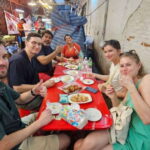
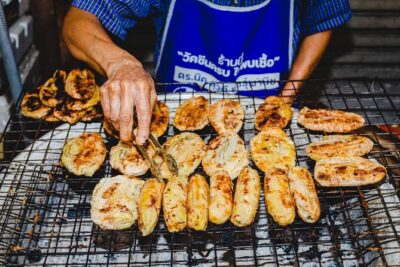
Food is built into the tour in a way that helps you keep exploring after you go home. You’ll try classic Thai-Chinese street food like crispy pork belly and handmade dumplings, plus herbal teas. These aren’t described as random bites. They’re used as cultural markers, with the guide tying each taste back to the community’s fusion style.
Here’s why that matters:
- Street food gets confusing fast when you don’t know what you’re looking at. The tour gives you a baseline menu of what Chinatown does well.
- You learn what to order and why, so later you can repeat the favorites with more confidence.
- You get a feel for how locals treat meals as part of routine, not a special event.
Practical advice from a food-walk perspective: come with a bit of room in your stomach. Tastings are included, but additional food and drinks are not, so if you’re also planning your own restaurant stops, don’t arrive fully stuffed.
If you have dietary restrictions or allergies, make sure you tell the tour team in advance. The key is that your guide should have time to plan around what’s safe and available on the route.
Old Bangkok, block by block
Shrines and temples: what to look for and how to behave
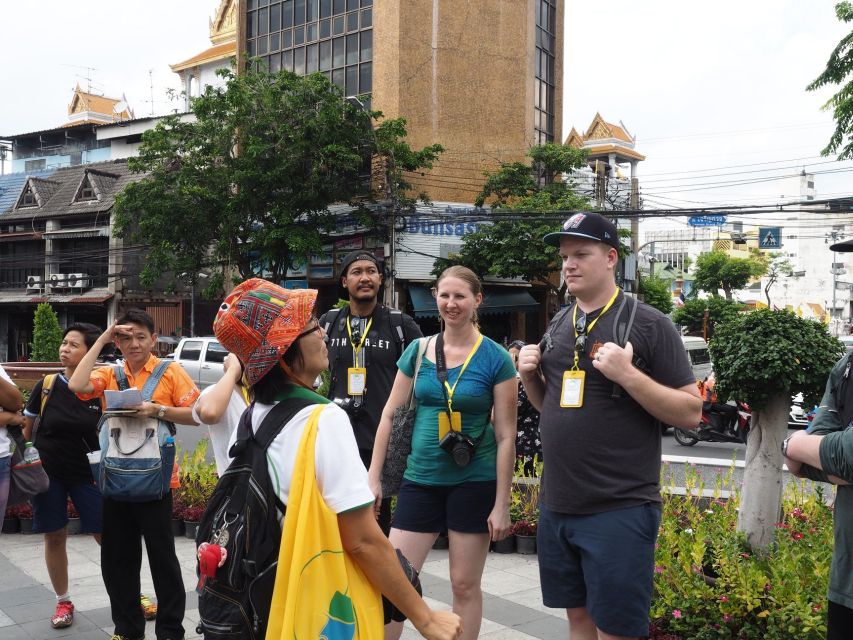
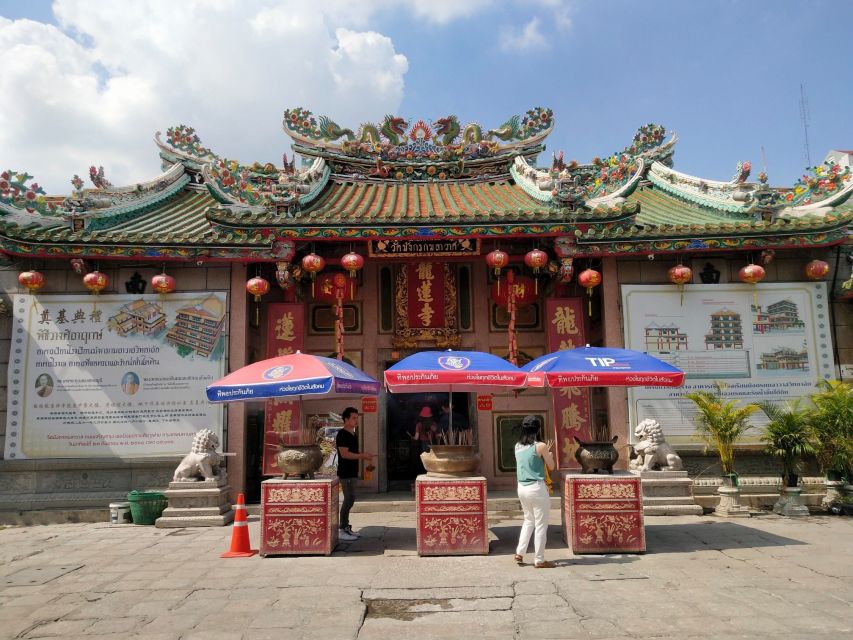
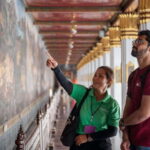
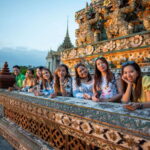
One of the most satisfying parts of this tour is that it doesn’t treat temples and shrines like quick photo stops. You visit spaces decorated with incense and gold details, where locals stop to pray, make offerings, and seek blessings. The guide explains the traditions and how they’ve been preserved over generations.
On the ground, you’ll want to do two things:
- Slow down near incense and prayer areas. Let people move through normally.
- Ask questions quietly when appropriate. If you’re curious about a shrine symbol or a practice, the guide can explain it in context.
Photo opportunities are mentioned as part of the experience, and you’ll likely get a chance to capture architecture and shrine details. Just keep your camera behavior respectful. These are active community spaces.
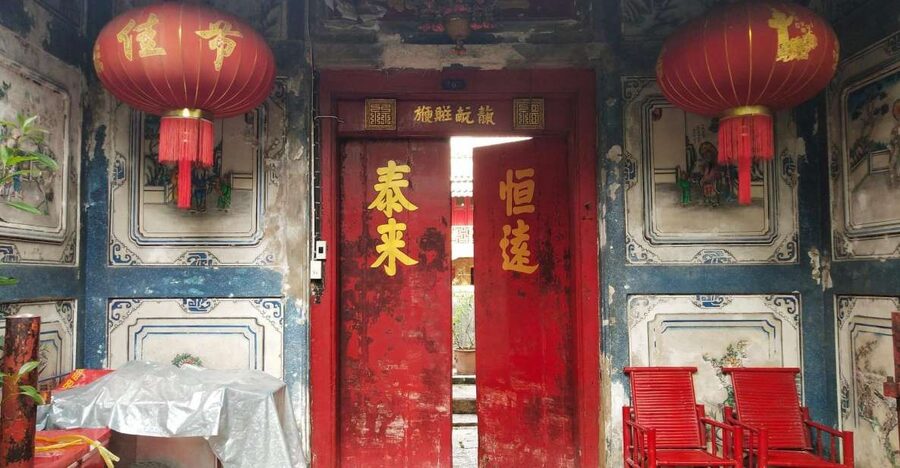
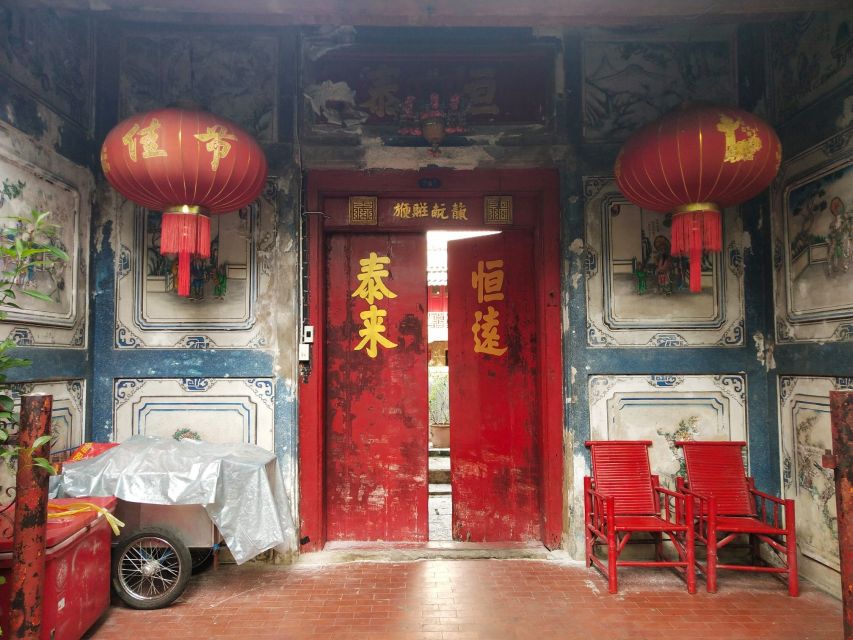
Architecturally, you’ll also see old shophouses and neighborhood structures tied to the district’s identity. The route focuses on what the buildings say about trade, family life, and the blend of cultures that shaped Chinatown’s daily look.
Markets and backstreets: how you avoid the tourist-trap version
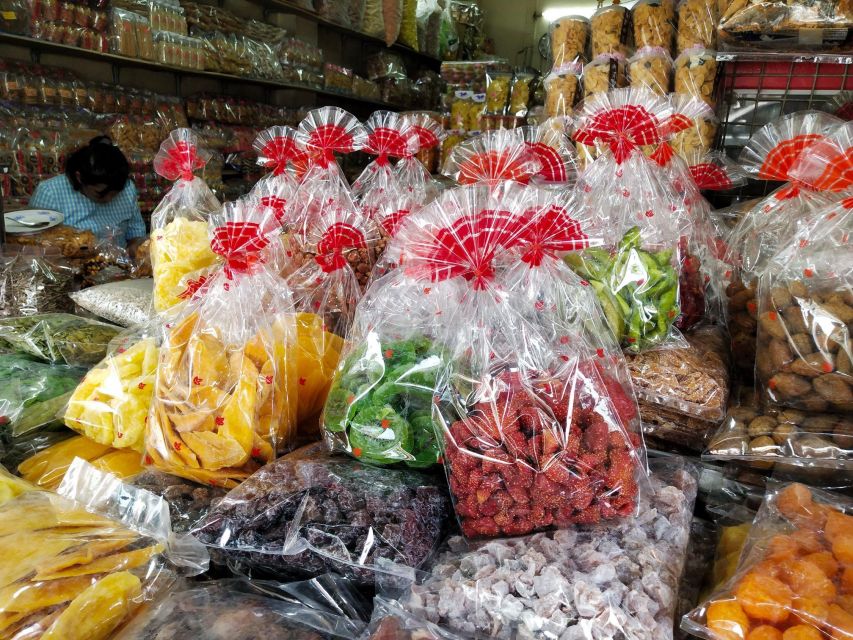
Markets are a big part of the Chinatown feel, and this walk is designed to take you to the right kind of market moments. You’ll explore stalls and street-level browsing areas where items like herbal remedies and small goods are sold. You’ll also walk through narrow alleys where everyday life continues beyond the main tourist lanes.
In a place like Chinatown, “hidden” can mean two different things. Sometimes it means someone led you away from crowds. Other times it means you’re being guided to spaces that still function as living neighborhoods. This tour leans toward the second kind, which is why the side passages and community areas can feel especially memorable.
One review highlighted a moment involving secret passageways and older wood-made housing still used by residents. Even if you don’t see the exact same sight, the bigger point for your expectations is clear: you’re meant to walk the thin, ordinary routes that don’t usually make it onto generic walking lists.
Old shophouse architecture: why those storefronts matter
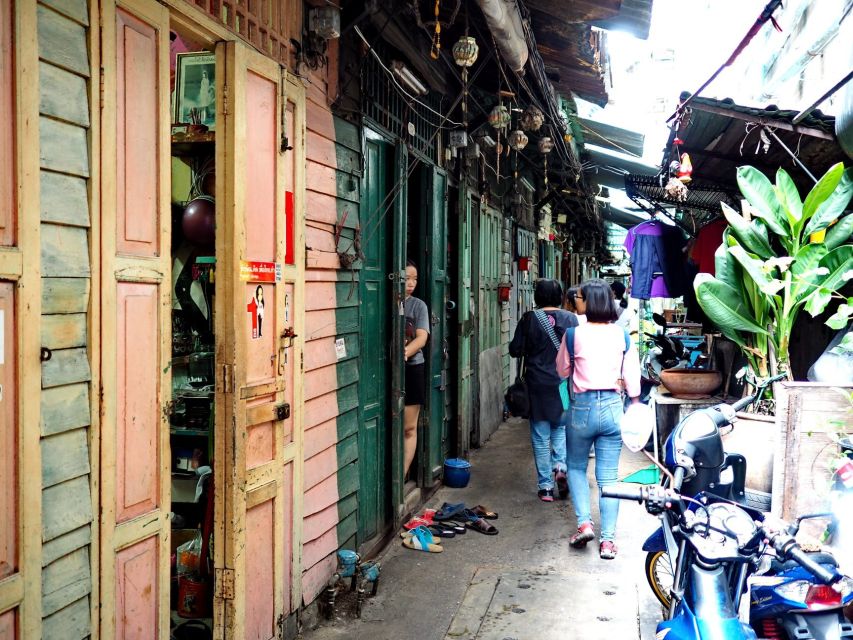
Chinatown’s shophouses are more than background scenery. They’re a window into how commerce and family life coexisted. As you admire the architecture, your guide connects the designs to the community’s past and the way traditions have been carried forward.
You’ll likely notice:
- Dense building frontage typical of trade districts
- Decorative details that signal long-term presence rather than new construction
- Street-level design that supports everyday business
Even if you’re not an architecture obsessive, this stop is worth it because it gives you a framework. Once you see the logic behind the buildings, the whole neighborhood reads differently. You stop thinking of Chinatown as a place you pass through, and start understanding it as a district with a structure built for survival, commerce, and family.
Meeting point and walking realities near MRT Wat Mangkon
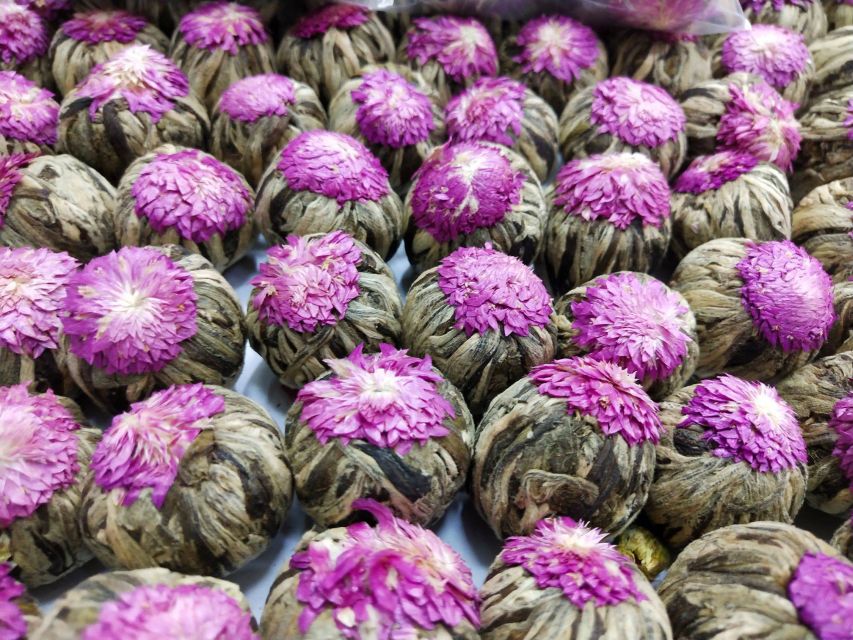
Logistics can make or break a walking tour, so here’s what you need to plan for.
Start location: MRT Wat Mangkon Station, Exit 1, near the Plaeng Nam intersection.
End location: back at the meeting point.
You’re asked to arrive 10 minutes early, which helps you avoid the typical stress of finding the group in a busy area. Since comfortable walking shoes are strongly recommended, treat this as real walking, not a slow stroll. The tour also runs rain or shine, so pack for weather. An umbrella or raincoat is a smart move even if the forecast looks friendly.
A key rule: no luggage or large bags. Plan to travel light, especially if you’re already in Bangkok moving between neighborhoods.
Also note: this tour is not suitable for wheelchair users. If mobility is a concern, this is one of those times to pick a different format.
Price and value: what $75 buys you in Chinatown
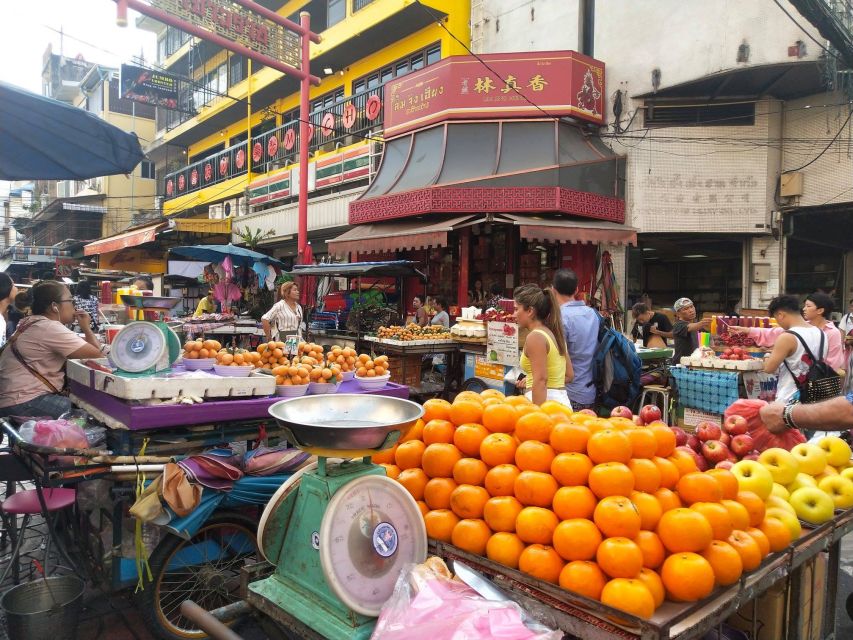
At $75 per person, you’re not just paying for company. You’re paying for three things that are hard to replicate on your own:
- A local expert who explains meaning while you walk.
Chinatown can overwhelm you with sights and sounds. Guidance turns that chaos into understanding.
- Access to culture-focused stops.
Visits to historic temples and shrines, plus time in local markets and backstreets, are built into the pacing. You’re not left guessing what’s worth your time.
- Included tastings that act like a food guide.
Crispy pork belly, handmade dumplings, and herbal teas give you a solid “first lesson” in Thai-Chinese street food without requiring you to research dozens of stalls beforehand.
What’s not included matters too. Transportation to and from the meeting point isn’t included, and only the tastings are covered. If you’re the type who loves to snack constantly, you’ll probably want to budget for extra purchases.
For most visitors, $75 makes sense if you want a guided Chinatown route plus food and context in one package. If you already know the neighborhood and you prefer full independence, you could DIY. But if you want the right route and the why behind it, this is a fair value play.
Who should book this Chinatown walk
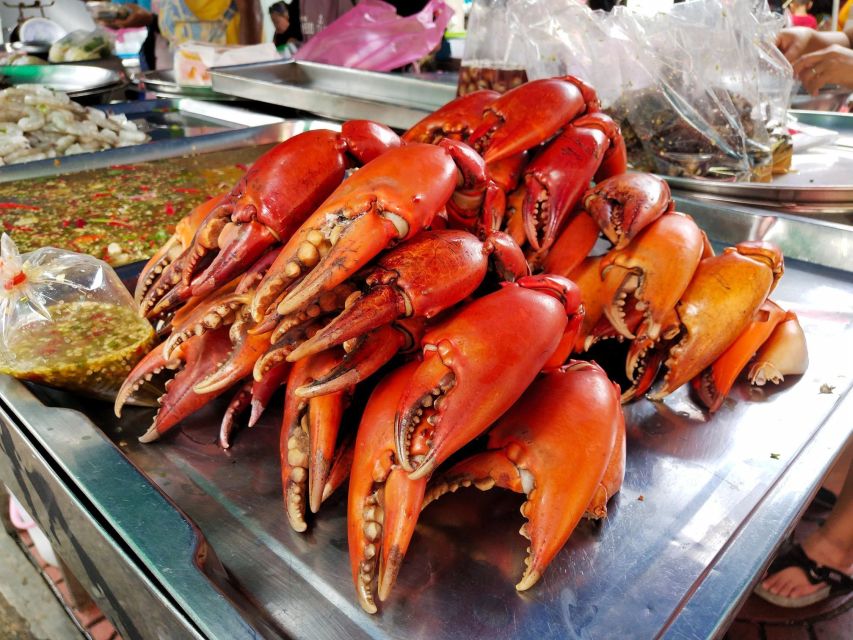
This tour is a great fit if you:
- Want Thai-Chinese food with a guide who can explain what you’re eating
- Like history and culture but don’t want museum-style lecturing
- Enjoy walking and want to see more than the main streets
- Travel solo or in a small circle and want an easy way to meet a local perspective
- Speak English or German, since those are the listed tour languages
It may not be the best choice if you:
- Need wheelchair accessibility
- Want to keep your movement very light
- Plan to arrive with large luggage or heavy bags
Should you book it? My honest call
If your goal is to understand Chinatown, not just consume it, I’d book this. The strongest reason is the combo of small-group attention, meaningful temple and shrine stops, and food tastings that function as a practical street-food starting point.
The one real thing to think about is your comfort level with walking and weather. If you bring comfortable shoes and plan to travel light, the experience is the kind that makes a neighborhood feel personal and understandable.
If you’re deciding between a generic Chinatown stroll and a guide-led cultural route, this one is geared toward the second option. You’ll leave with stories you can repeat, plus a clearer sense of where to eat and what to notice next.
FAQ
Where is the meeting point for the Chinatown walking tour?
The tour starts at MRT Wat Mangkon station, exit 1, near the Plaeng Nam intersection at 3 Plaeng Nam Rd, Khwaeng Samphanthawong, Khet Samphanthawong, Krung Thep Maha Nakhon 10100, Thailand.
Is the tour a small group?
Yes. It’s described as a mini group tour with small group size for a more personal experience.
What time should I arrive?
Please arrive at the meeting point 10 minutes before the tour begins.
What is the tour’s starting point and where does it end?
It starts at the MRT Wat Mangkon station exit 1 meeting location and ends back at the same meeting point.
What should I bring?
Comfortable shoes are recommended.
Will the tour run in bad weather?
Yes. The tour runs in rain or shine, so bringing an umbrella or raincoat is recommended.
Are luggage or large bags allowed?
No. Luggage or large bags are not allowed.
What languages is the tour offered in?
The tour is available in English and German.
Are there food options for dietary restrictions or allergies?
You should let the tour team know in advance if you have any dietary restrictions or allergies.
What’s included in the price, and what is not?
Included: a guided walking tour with a local expert, visits to historic temples and shrines, exploration of markets and backstreets, insider stories, small group size, and photo opportunities. Not included: transportation to and from the meeting point, additional food or drinks beyond the tastings, personal shopping or souvenirs, and personal expenses like extra snacks or drinks.
Is wheelchair access available?
No, it is not suitable for wheelchair users.
What is the cancellation policy?
Cancel up to 24 hours in advance for a full refund.
Can I pay later?
Yes. It offers a reserve and pay later option, meaning you book your spot and pay nothing today.
More Food & Drink in Bangkok
- Bangkok: White Orchid Chao Phraya Dinner Cruise free Beer★ 4.4 · 4,573 reviews
- Bangkok: Luxury White Dinner Cruise Free Flow Beer and Wine★ 4.0 · 748 reviews
- Bangkok: Must-Try Hidden Bike & Food Experience★ 4.9 · 613 reviews
- Bangkok: Old Siam Food Tour with 15+ Tastings★ 4.9 · 559 reviews
More Food in Bangkok
- Bangkok by Night: Temples, Markets and Food Tuk-Tuk Tour★ 5.0 · 3,752 reviews
- Bangkok Midnight Food Tuk Tuk Tour★ 5.0 · 2,542 reviews
- Bangkok: Markets, Temples and Food Night Tour by Tuk Tuk★ 4.9 · 2,371 reviews
- Bangkok Tuk-Tuk Tour by Night with Chinatown Street Food Meal★ 5.0 · 635 reviews
The newest additions around Bangkok
- Dream World & Snow Town in Bangkok with Return Transfer & Lunch
★ 4.5 · 3 reviews - Bangkok: Nong Nooch Garden
★ 5.0 · 3 reviews - Private tour to Ayutthaya and Lopburi Monkey Temple (from Bangkok)
★ 5.0 · 3 reviews - Guided Tour of Grand Palace & Emerald Buddha Temple in Bangkok
★ 5.0 · 3 reviews - Half Day DIY Grand Palace and Emerald Buddha Temple
★ 4.5 · 3 reviews - HD-01 Koh Rattanakosin old town cycling with The Giant Swing, and more
★ 5.0 · 3 reviews - Glittering Ayutthaya Tour to Famous Sights, Market & Sunset Boat
★ 4.5 · 3 reviews - Private Tour: The Best of Bangkok Temples – Half Day
★ 4.0 · 3 reviews
Bangkok Street Food Tours, compared.
Bangkok Backstreets Food Tour with 15+ Tastings
Read our review →
Bangkok Authentic Tasting Thai-Chinatown Walking Food Tour
Read our review →
Bangkok Tuk-Tuk Tour by Night with Chinatown Street Food Meal
Read our review →
Browse the lists this tour appears in