
Reviewed · RIVER KWAI & KANCHANABURI TOURS
Train trip death railway Bridge on river Kwai from Bangkok to Kanchanaburi trip
Rail tracks here tell painful stories.
This Bangkok to Kanchanaburi tour focuses on the Death Railway in a tight, one-day route, starting with POW memorial stops and ending with a real train ride through the Thai countryside. I like that the schedule is built around the places that still anchor this chapter of WWII, not just quick photo stops.
What I love most is the way it layers meaning, so you move from remembrance (the cemetery) to explanation (JEATH) to the physical landmark (the River Kwai Bridge). I also really appreciate the quality of guiding, and on one past departure the tour guide Rach was singled out for clear, engaging storytelling that keeps the history understandable.
One thing to consider is the early start, 6:00 am pickup, plus a long day in transit. If you are sensitive to long seat time or vehicle comfort, plan around that and pack smart.
In This Review
- Key highlights to look for
- From Bangkok at 6:00 am: the schedule that keeps you moving
- Kanchanaburi War Cemetery (Don Rak): the names you’ll remember
- JEATH War Museum: short visit, strong context
- River Kwai Bridge walk: where the history becomes visible
- Death Railway train ride: the part that makes it real
- Lunch by the water: fuel and a reset
- Getting back to Bangkok: when the day ends for you
- Price and value: what $80.67 covers and what to compare
- Who this tour suits best (and who should adjust expectations)
- Should you book the Bangkok to Kanchanaburi Death Railway tour?
- FAQ
- What time does pickup start in Bangkok?
- How long is the tour?
- What are the main stops during the day?
- Is lunch included?
- Are admission tickets included?
- Do you get hotel pickup?
- How big is the group?
- Do they use a mobile ticket?
- What is the price per person?
- Can I cancel and get a full refund?
Key highlights to look for
- Hotel pickup in Bangkok city areas with an organized 6:00 am start time
- Kanchanaburi War Cemetery (Don Rak), the main POW cemetery tied to Burma Railway laborers
- JEATH War Museum with admission included and enough time to absorb it
- River Kwai Bridge walking time plus a longer visit at the bridge area
- Death Railway train ride that gives the story motion, not just walls and plaques
- Lunch provided before you head back to Bangkok
Cross the bridge, hear the history
From Bangkok at 6:00 am: the schedule that keeps you moving
This is a full day that starts early. You’ll get picked up around 6:00 am from your hotel if you’re in the Bangkok city area, then you head west toward Kanchanaburi province. The pacing matters here. By the time you reach the memorial sites, you’re not fighting the day, and you still have daylight for the bridge area and the train ride.
The route builds in natural breaks. You arrive at Kanchanaburi around the 9:10 am mark, then your stops line up with a steady flow: cemetery, museum, bridge area, and train. You also have a clear finish, with departure back toward Bangkok after lunch around 3:00 pm.
A practical note: this kind of day trip works best when you treat it like a history sprint. Wear comfortable shoes for walking near the bridge and museums. Bring water for gaps between stops, and plan for emotions. The subject is heavy, but it’s handled through space, time, and explanation.
Kanchanaburi War Cemetery (Don Rak): the names you’ll remember
Your first major stop is the Kanchanaburi War Cemetery, locally known as the Don Rak War Cemetery. It’s described as the main POW cemetery for victims of Japanese imprisonment connected to the Burma Railway. You’ll have about 50 minutes here, with admission included.
What makes this stop valuable is how direct it is. Cemeteries like this are not about spectacle. They’re about scale, names, and a kind of quiet that hits harder when you see it in person rather than reading a paragraph. If you take just a few minutes to slow down, you’ll likely notice details that your phone won’t capture well: repeated surnames, inscriptions, and the simple act of remembering.
In a day with multiple WWII stops, this cemetery anchors everything. It gives you the human baseline before the visit to the museum and the bridge. That order helps. You’re not learning history as a series of facts. You’re meeting the consequences first.
JEATH War Museum: short visit, strong context
Next comes the JEATH War Museum, with about 30 minutes and admission included. JEATH focuses on the Death Railway era, including how Allied POWs were involved in building parts of the Thai-Burma railways under Japanese direction.
A museum on a timetable can sometimes feel rushed, but this one is structured for a quick, meaningful overview. In 30 minutes, you don’t need to absorb every display label word-for-word. Instead, scan for themes: living conditions, labor, and the way wartime control shaped daily life. Then you’ll be ready for the bridge walk, where the story becomes physical.
This is also a good time to let your guide do some work for you. If your guide is strong, you’ll get the bigger picture without getting lost in minor details. On a past departure, Rach was praised specifically for sharing lots of information in a way that felt clear and useful. Even if your guide is different, choose the attitude of a student, not a tourist. Ask one question if you can. You’ll get more from the time you have.
Ride the rails out of town
River Kwai Bridge walk: where the history becomes visible
After JEATH, you head to the River Kwai Bridge area. The program includes a walk along the bridge, starting around 10:40 am, and you’ll spend about 2 hours in this stop window, with admission included.
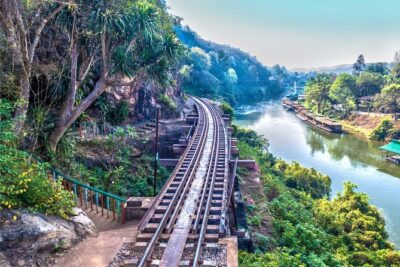
This is the section that turns history into something you can point to. From the bridge area, you’ll be able to connect the concept of the Death Railway to the geography of the river and the surrounding countryside. Even without fancy storytelling, you can feel the logic: trains needed corridors, and war demanded labor.
I also like that the bridge stop includes time for breathing room. Two hours is enough to walk, look, and take in the scale without feeling like someone is constantly herding you forward. It’s a good place to take photos, but I’d keep that in balance. The bridge has become an icon, yet the event behind it is grim. Give yourself space to remember that difference.
If you tend to get overwhelmed by heavy themes, plan a gentle rhythm here. Look at the bridge, then step away for a few minutes and let your guide’s commentary reset the context.
Death Railway train ride: the part that makes it real
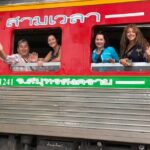
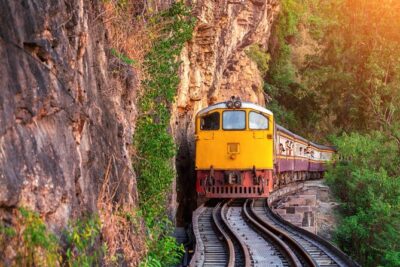
The heart of the experience, and the reason many people do this route, is the train ride along the Death Railway. You’ll take it around 11:10 am. The program is framed as a sightseeing ride through the countryside, but the deeper value is emotional and historical.
A train ride changes how you understand a story like this. On paper, the railway is a line. On the tracks, it becomes movement through real terrain. You start seeing why the railway mattered: it cut through regions that were otherwise harder to reach. And because your day is built around POW memory sites, you’re not treating the ride like a scenic activity. You’re treating it like a living route with a past.
For comfort, plan like you’re riding for longer than you think. Bring sunglasses if it’s bright, and be ready for outdoor air. If you get motion sickness easily, sit where the ride feels most stable, and keep your eyes on the horizon rather than your phone screen.
If your guide is actively interpreting during the ride, lean in. That’s when the day can stop feeling like a checklist and start feeling like one guided story.
Lunch by the water: fuel and a reset
Lunch is built in at about 1:45 pm and is provided at a restaurant. This is your reset point. After the cemetery, museum, and bridge walk, you’ll likely want something warm, filling, and familiar enough to help you focus again.
I like that lunch happens before the return. It prevents the classic day-trip mistake of grabbing something too fast and then feeling drained for the long ride back. With lunch included, you also avoid negotiating food choices while your group is still moving on a timetable.
Keep in mind that this is a day tour, not a leisurely vacation meal. If you have dietary needs, I’d check those at booking or ask your operator ahead of time, since the schedule only leaves so much room for special handling.
Getting back to Bangkok: when the day ends for you
The tour departs the restaurant around 3:00 pm heading back to Bangkok. That timing is part of the value. You avoid the risk of a super-late finish while still packing in the core sites connected to the Death Railway.
The return ride is when you’ll feel the whole day click into place. You might notice that your memory remembers the bridge walk and train ride most clearly, but your understanding is stronger because you saw the cemetery and museum first. That sequence turns pictures into context.
If you’re planning other things the same evening in Bangkok, pick something flexible. Even if you feel fine, your brain will still be processing the themes you saw that day.
Price and value: what $80.67 covers and what to compare
At $80.67 per person, this isn’t the cheapest way to reach Kanchanaburi. But it packs several things into one ticket: hotel pickup, multiple stops with admission included, a guided day route, lunch, and the train ride component.
Here’s how I judge value on a day trip like this. If you try to DIY it, you’d still need transportation out of Bangkok, entry fees for museum and cemetery, time planning between locations, and a reliable way to coordinate the train portion. The tour handles that coordination, which can be worth a lot if you’re short on time or you don’t want to spend your day figuring out timetables.
Also consider the group size. The tour notes a maximum of 10 travelers, which usually helps with questions and pacing. Smaller groups also make the emotional tone easier to manage. You’re less likely to feel swallowed up in a large bus crowd.
My one caution on value is the overall physical comfort. If your comfort needs are specific, I’d treat this as a long day ride. Past experiences include complaints about vehicle comfort on some departures, so if you’re prone to feeling cramped, request seat preferences when possible.
Who this tour suits best (and who should adjust expectations)
This is a strong fit for you if:
- You want a one-day overview of the Death Railway and River Kwai Bridge area from Bangkok.
- You appreciate guided context, especially for WWII-era sites with sensitive themes.
- You want your transportation solved, with pickup and return included.
It may not be ideal if:
- You need a relaxed, unstructured day. This is a schedule-based tour.
- You strongly dislike early starts. Pickup is around 6:00 am, and you’ll be out most of the day.
- You have tight mobility needs. The plan includes walking and museum time, even if it’s not described in detail.
If you’re traveling with older kids or teens, this can also work well if they are ready for historical topics. Just frame it beforehand. You’ll get more out of the bridge and train ride when the group understands this is not only about sightseeing.
Should you book the Bangkok to Kanchanaburi Death Railway tour?
I’d book this tour if you want an organized, meaningful day connecting the Don Rak War Cemetery, the JEATH War Museum, the River Kwai Bridge walk, and the Death Railway train ride into one clear story. For your time in Thailand, it’s a practical way to see the places that matter without turning the day into logistics math.
You should think twice if you’re sensitive to early mornings and a long day in a vehicle, or if you expect a perfectly modern, cushy ride. When that comfort matters, ask ahead about vehicle type and plan for it.
If you’re the type who likes a guided route, shows up with curiosity, and can handle heavy WWII themes with respect, this one is worth it.
FAQ
What time does pickup start in Bangkok?
Pickup starts at 6:00 am from the hotel area in Bangkok city.
How long is the tour?
The total duration is about 10 hours.
What are the main stops during the day?
You’ll visit Kanchanaburi War Cemetery, JEATH War Museum, walk along the River Kwai Bridge, and take a train trip along the Death Railway. Lunch is included at a restaurant.
Is lunch included?
Yes. Lunch is provided at a restaurant during the tour.
Are admission tickets included?
Yes. Admission tickets are included for the Kanchanaburi War Cemetery, the JEATH War Museum, and the River Kwai Bridge stop.
Do you get hotel pickup?
Yes. The tour offers pickup from hotels in Bangkok city area.
How big is the group?
The tour has a maximum of 10 travelers.
Do they use a mobile ticket?
Yes, the tour offers a mobile ticket.
What is the price per person?
The price is $80.67 per person.
Can I cancel and get a full refund?
Yes. You can cancel for a full refund up to 24 hours before the experience starts.
The newest additions around Bangkok
- Dream World & Snow Town in Bangkok with Return Transfer & Lunch
★ 4.5 · 3 reviews - Bangkok: Nong Nooch Garden
★ 5.0 · 3 reviews - Private tour to Ayutthaya and Lopburi Monkey Temple (from Bangkok)
★ 5.0 · 3 reviews - Guided Tour of Grand Palace & Emerald Buddha Temple in Bangkok
★ 5.0 · 3 reviews - Half Day DIY Grand Palace and Emerald Buddha Temple
★ 4.5 · 3 reviews - HD-01 Koh Rattanakosin old town cycling with The Giant Swing, and more
★ 5.0 · 3 reviews - Glittering Ayutthaya Tour to Famous Sights, Market & Sunset Boat
★ 4.5 · 3 reviews - Private Tour: The Best of Bangkok Temples – Half Day
★ 4.0 · 3 reviews
River Kwai & Kanchanaburi Tours, compared.


Erawan Waterfalls and Bridge Over River Kwai Tour from Bangkok
Read our review →
Bridge on the River Kwai and Thailand-Burma Railway Guided Tour
Read our review →
Erawan Waterfall and Elephant Care: Private Tour to Kanchanabur
Read our review →Browse the lists this tour appears in