
Reviewed · BANGKOK THAI COOKING CLASSES
Silom Thai Cooking School with Fresh Market Tour
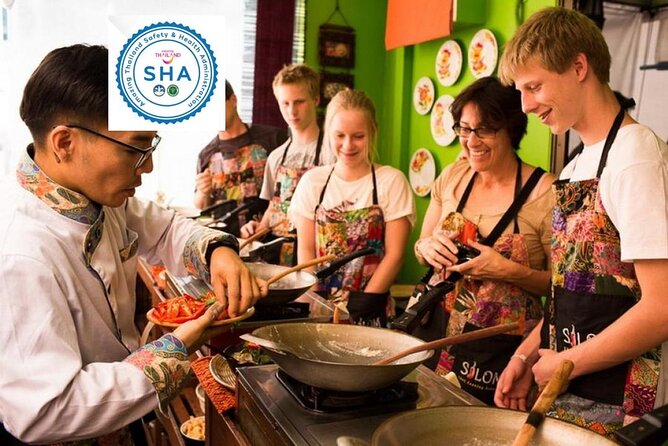
Bangkok can hit you in the face with garlic, lime, and heat. This Silom Thai Cooking School class pairs a fresh market run with a hands-on cooking session in a max 10-person group. You end up making real Thai dishes step by step, then eating what you cooked.
I especially like the fresh market visit on the morning and afternoon options, where you learn how to pick ingredients that actually make Thai food taste like Thai food. You also get a recipe book to take home, so the class stays useful after the trip.
One thing to plan for: there is no hotel pickup, and the morning option has a tight arrival window for the market group. If you’re late, you may wait at the school until the market part wraps up.
In This Review
- Key Things You Should Know Before You Go
- Why This Market-Plus-Cooking Combo Works So Well
- Silom Thai Cooking School: The Pace of a Small, Practical Class
- The Itinerary, Explained Like a Friend Would
- Stop at the Silom Thai Cooking School (Where You Start Cooking)
- Fresh Market Visit (Morning and Afternoon Options)
- Cooking the Five Dishes (Hands-On, Not Just Hands Off)
- Eating What You Cook (Instant Feedback)
- What You’ll Actually Learn in Practice (Beyond the Recipes)
- Price and Value: What $58.67 Really Buys You
- Which Session Should You Pick: Morning, Afternoon, or Evening
- Morning: Best for Market Focus
- Afternoon: Great Middle Ground
- Evening: More Cooking, Less Market
- Dietary Needs and Options: What to Tell the Team
- Who This Cooking Class Suits Best
- Should You Book It?
- FAQ
- How long is the Silom Thai Cooking School with Fresh Market Tour?
- How much does it cost?
- Does it include a market tour?
- Where is the meeting point?
- Do I need hotel pickup?
- How many people are in each cooking class?
- What dishes will I cook?
- Is there a vegetarian option?
- What is the special timing for the morning market?
- Can I get a refund if I cancel?
Key Things You Should Know Before You Go
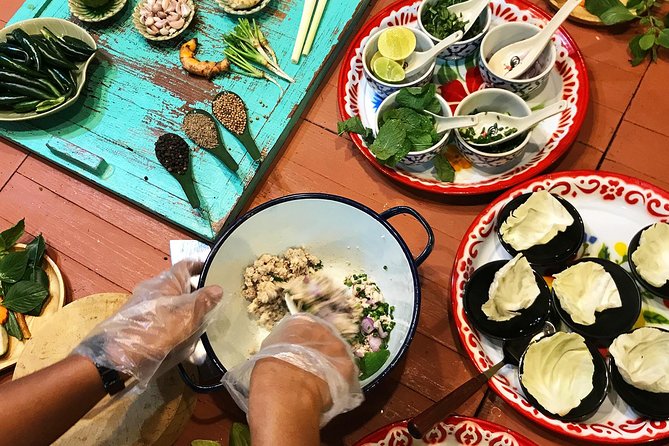
- Max 10 participants means you can actually ask questions while you cook, not just watch.
- The market visit is included on morning and afternoon, but not on the evening class.
- You cook five Thai dishes from scratch, and you eat them as your meal.
- Expect real Thai spice. If you are chili-averse, I suggest telling your instructor so you can handle the heat.
- Vegetarian is available, and you should notify the school about dietary restrictions when booking.
Still ordering off a menu?
Why This Market-Plus-Cooking Combo Works So Well
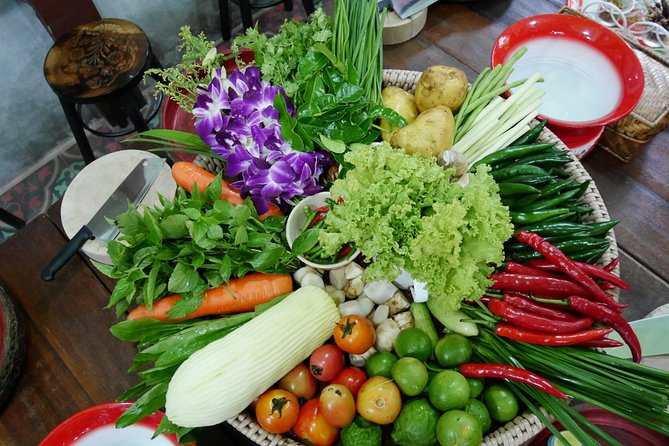
Thai cooking classes can fall into two buckets. Some are mostly watching, others are mostly eating. This one hits a third sweet spot: you see ingredients up close, then you turn them into dinner in the same day.
The market part matters because Thai flavor is ingredient-driven. You learn what to look for when you’re choosing items like herbs, aromatics, and produce. You also get hands-on instruction on how to select ingredients correctly, not just what to buy. That makes your later cooking far easier, because you already know what you’re aiming for.
I also like how the class is built around the logic of Thai cooking. You are not just copying a recipe once. You are learning the steps that lead to the taste, the timing, and the texture. One reason many people walk away feeling confident is that the process is taught as a chain, not a pile of tricks.
Silom Thai Cooking School: The Pace of a Small, Practical Class
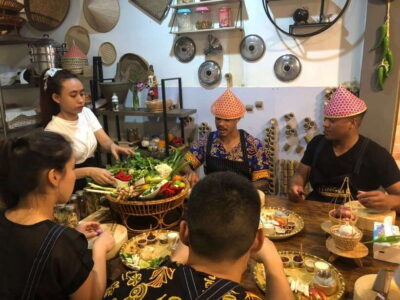
The school experience is structured, and that structure shows up in how the kitchen time feels. With classes capped at 10 participants, you usually aren’t stuck waiting for your turn. The instructors guide you through the work while keeping things moving.
A few real-life details stand out from people who took the class. The setup is organized into different zones, like a prep area and a cooking area, then a dedicated eating space. That means after each dish is finished, the next dish area is ready and clean. It sounds basic, but it is what keeps a 3-hour class from turning into chaos.
You’ll also find the environment practical. People talk about clean equipment and comfortable facilities, plus staff who keep things friendly and organized. In other words, it feels like a working kitchen, not a performance.
Instructors get named often in the feedback, like Ju, Nuy, Jewel, and Choochoo. The common thread is that they teach in an approachable way and keep the class fun, even when the dishes get spicy.
The Itinerary, Explained Like a Friend Would
This experience runs about 3 hours, and the exact menu can change by session. That flexibility is useful in real life, but it also means you should expect the dishes to be classic Thai, not a rigid script.
Plenty else to do around Bangkok




Stop at the Silom Thai Cooking School (Where You Start Cooking)
You meet at เลขที่ 6/14 Decho Rd, Khwaeng Suriya Wong, Khet Bang Rak, Krung Thep Maha Nakhon 10500, Thailand. From there, you jump into the plan of the day.
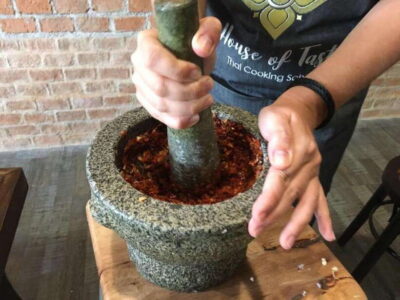
Your cooking work happens on-site at the school. You make five Thai dishes, each prepared from scratch, with ingredients and guidance included. The school supplies everything: ingredients, instruction, and the workflow.
Fresh Market Visit (Morning and Afternoon Options)
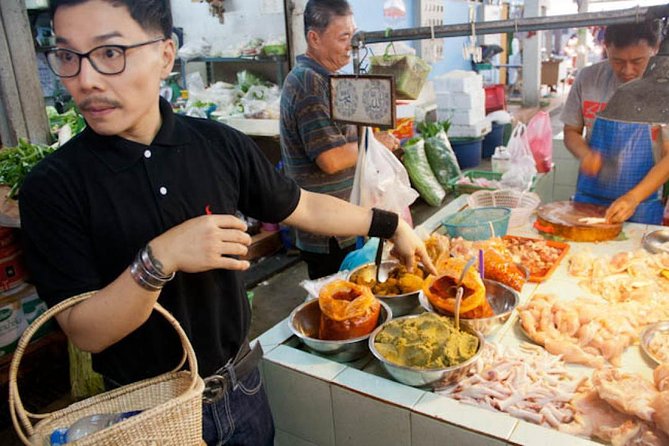
If you book the morning or afternoon class, you include a guided local market visit. The purpose is not shopping for fun. It is ingredient education.
You’ll be shown how to choose ingredients correctly and get what you need for the dishes you’ll cook later. Morning sessions also have extra emphasis on timing. You should arrive between 8:30 and 8:45 a.m. because grouping for the market starts at 8:45 a.m. The latest time to join is 9:05 a.m., since the market visit will already be in progress. If you arrive late, you stay at the school until they return.
Why does this matter? Because the market visit is where you learn what “fresh” means in Thai cooking. If you miss that window, you lose the foundation that makes the cooking part easier.
Cooking the Five Dishes (Hands-On, Not Just Hands Off)
Back at the school, you work with chefs on the dishes. You’ll learn technique and timing as you go. Classic examples that come up include pad thai (noodles) and tom yum (soup).
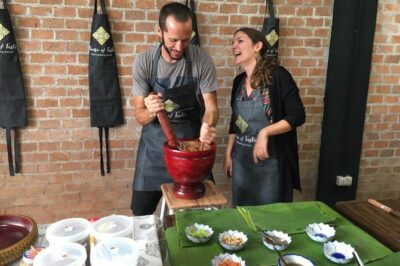
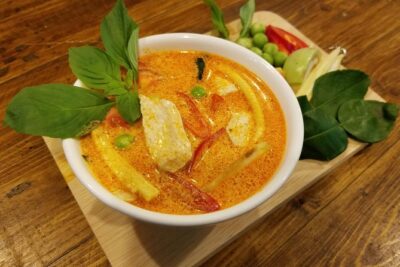
Depending on the session, you may also tackle dishes like Thai green curry, som tum (papaya salad), and sticky mango rice. Some people mention ingredients like coconut milk made from shaved coconut. That mix of sauces, salads, soups, and sweets is a big part of why this class feels like more than just one recipe.
Eating What You Cook (Instant Feedback)
The final step is eating your meal. You eat what you cooked, which is a huge quality-control moment. If a sauce needs adjustment, you find out right away. If a garnish is off, you notice it immediately.
People also describe the experience as something you do hungry and come out full. That’s true because you are not sampling tiny bites. You’re preparing multiple dishes and then sitting down to eat them.
What You’ll Actually Learn in Practice (Beyond the Recipes)
A good cooking class gives you recipes. A great one teaches you what to do when real life differs from your kitchen at home. This one tends to do that because it trains you on process.
Here are the practical skills that show up in the way people describe the class:
- Ingredient selection so you know what matters and why. You learn what to look for at the market, then see how those choices affect flavor.
- Cooking flow so you understand sequencing. The class is organized so one dish wraps up and the next is ready to go.
- Thai flavor building using aromatics, herbs, and sauces rather than vague instructions.
- Confidence with “classic” dishes like pad thai and tom yum, because you’re making full portions, not just practicing one component.
- Spice reality. Thai food often includes chili heat. One person even joked about crying from chili, but still had fun with it, which is basically what you should expect. If you can handle mild spice, you’ll probably do fine. If you cannot, you should communicate that when you arrive.
Also, the class includes a recipe book. That matters because your memory of measurements fades fast once you’re back home. The book gives you something to recreate later.
Price and Value: What $58.67 Really Buys You
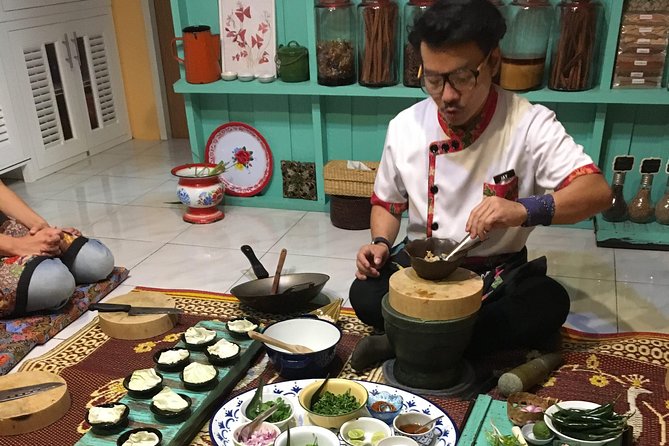
At $58.67 per person, you might wonder if a cooking class is tourist pricing. Here is the value angle that makes this one feel more reasonable.
You’re paying for:
- A hands-on class (five dishes from scratch)
- All ingredients
- The meal (you eat what you cook)
- A recipe book
- A fresh market visit on morning and afternoon classes (not on evening)
What you are not paying for is hotel pickup and drop-off. So your real cost is the ticket plus local transit to the meeting point.
When you add it up, you’re getting a full meal plus structured teaching plus take-home materials. For Bangkok, that often works out better than doing a “food experience” that is mostly walking and tasting without teaching.
If you are traveling with a group, the small class size is also part of the value. In a group of 10, your instructor can spend time with you, and you are more likely to finish dishes without falling behind.
Which Session Should You Pick: Morning, Afternoon, or Evening
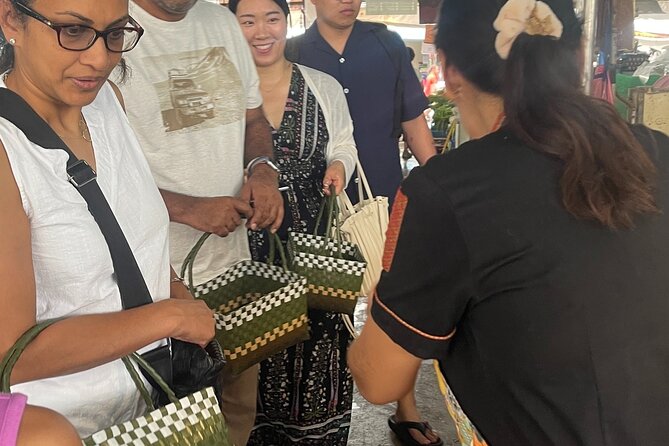
Choose based on what you want most, ingredients education or kitchen time.
Morning: Best for Market Focus
Morning starts with the market. You should arrive between 8:30 and 8:45 a.m. because grouping begins at 8:45 a.m. The latest you can join the market is 9:05 a.m. If you miss that, you wait at the school until the market returns.
If you love food details, this is the version that trains your senses early. The market walk sets you up to cook smarter.
Afternoon: Great Middle Ground
Afternoon also includes the market visit. The data doesn’t list the exact timing for the afternoon start, so check your confirmation details and plan to arrive early.
Evening: More Cooking, Less Market
Evening is a cooking class, but it does not include the market visit. If you are short on time or already did markets in Bangkok earlier, the evening option can be a good way to focus on the dishes and skip the ingredient walk.
Dietary Needs and Options: What to Tell the Team
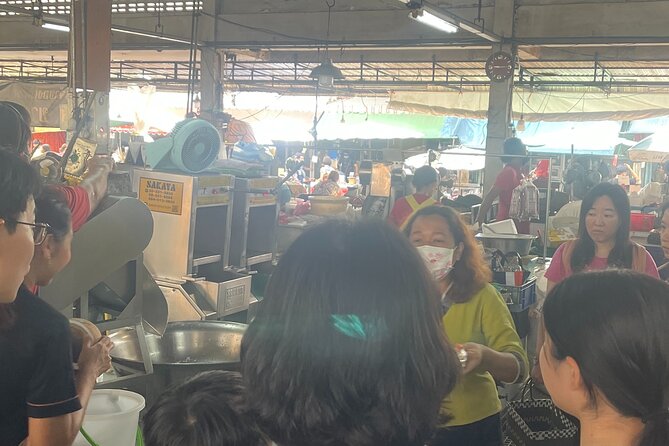
You can participate if you’re flexible, and the school states most travelers can participate. If you have dietary restrictions, you should notify the team when booking.
A vegetarian option is available. That’s a big deal because Thai cuisine can be heavily meat-based, and substitutions are not always simple. Having a vegetarian pathway means you should not feel like you’re forced to eat around the meal.
One more practical point: if you care about halal, it is mentioned in feedback that the food was halal in at least one group. I still suggest you confirm during booking, because your personal needs are the only ones that matter.
Who This Cooking Class Suits Best
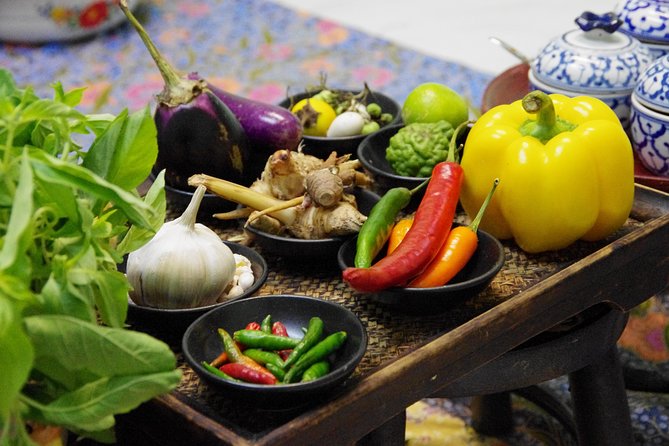
This is a strong match for:
- Food lovers who want a real skill, not just a souvenir meal
- Beginners who need clear steps and a kitchen that stays organized
- Solo travelers who want an activity where you can actually talk to the instructor, not just join a tour group
- Families, including kids. Feedback notes the class is kid-friendly, with instructors being patient and even offering a gift to children
- Travelers who want classic Thai dishes they can repeat later, especially from the included recipe book
It might be less ideal if:
- You want hotel pickup. This one has none, so you will use public transit or a taxi to get to the school.
- You hate spice. Thai dishes often include chili. You can still enjoy the flavors, but expect some real heat.
Should You Book It?
I’d book it if you want a Thai cooking experience that feels taught, not just performed. The best sign is the combination of fresh market instruction (on most sessions), five dishes from scratch, and a recipe book that turns the class into something you can repeat.
If you’re choosing between sessions, pick morning when you want the market education, and pick evening when you want maximum cooking time without the market. If you show up hungry, you’ll leave satisfied, and if you ask questions while you cook, you’ll leave with real confidence.
If you’re tight on schedule, skip the market and go evening. If you want to understand Thai ingredients, do morning or afternoon. Either way, it is one of the most practical ways to spend a half-day in Bangkok.
FAQ
How long is the Silom Thai Cooking School with Fresh Market Tour?
The experience runs about 3 hours (approx.).
How much does it cost?
The price is $58.67 per person.
Does it include a market tour?
Yes for morning and afternoon classes. The fresh local market visit is included except for the evening class.
Where is the meeting point?
You meet at Silom Thai Cooking School, เลขที่ 6/14 Decho Rd, Khwaeng Suriya Wong, Khet Bang Rak, Krung Thep Maha Nakhon 10500, Thailand.
Do I need hotel pickup?
No, hotel pickup and drop-off are not included.
How many people are in each cooking class?
Classes are limited to a maximum of 10 participants.
What dishes will I cook?
You cook five classic Thai dishes. Specific dishes and courses may change by session, but pad thai and tom yum are examples mentioned.
Is there a vegetarian option?
Yes, a vegetarian option is available. If you have dietary restrictions, notify the team when booking.
What is the special timing for the morning market?
For the morning session, arrive between 8:30 and 8:45 a.m. Grouping for the market starts at 8:45 a.m. The latest time to join is 9:05 a.m., and late arrivals will stay at the school until they return.
Can I get a refund if I cancel?
Yes, free cancellation is available. You can cancel up to 24 hours in advance for a full refund, and cancellations less than 24 hours before the experience start time are not refunded.
More Markets in Bangkok
- Half-Day Railway Market and Floating Market Tour in Thailand★ 4.5 · 3,924 reviews
- Bangkok: Damnoen Saduak, Train Market & Mahanakhon Day Trip★ 4.7 · 2,162 reviews
- From Bangkok: Damnoen Saduak Floating Market Guided Tour★ 4.4 · 2,020 reviews
- Damnoen Saduak Floating Market and Maeklong Railway Market Tour★ 4.5 · 1,588 reviews
The newest additions around Bangkok
- Dream World & Snow Town in Bangkok with Return Transfer & Lunch
★ 4.5 · 3 reviews - Bangkok: Nong Nooch Garden
★ 5.0 · 3 reviews - Private tour to Ayutthaya and Lopburi Monkey Temple (from Bangkok)
★ 5.0 · 3 reviews - Guided Tour of Grand Palace & Emerald Buddha Temple in Bangkok
★ 5.0 · 3 reviews - Half Day DIY Grand Palace and Emerald Buddha Temple
★ 4.5 · 3 reviews - HD-01 Koh Rattanakosin old town cycling with The Giant Swing, and more
★ 5.0 · 3 reviews - Glittering Ayutthaya Tour to Famous Sights, Market & Sunset Boat
★ 4.5 · 3 reviews - Private Tour: The Best of Bangkok Temples – Half Day
★ 4.0 · 3 reviews
Bangkok Thai Cooking Classes, compared.
Tingly Thai Cooking School Half-Day Cooking Class
Read our review →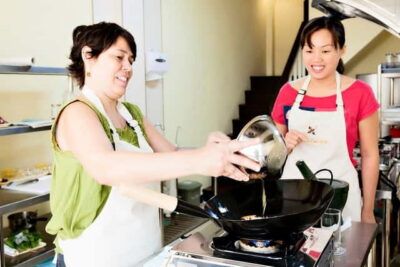
Tingly Thai Cooking Class with Morning Market Tour
Read our review →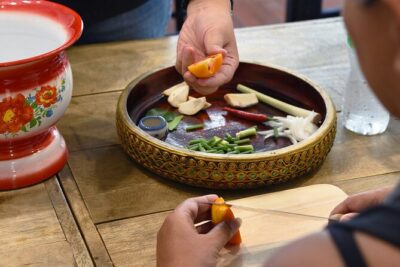
Hands-on Thai Cooking Class & Market Tour in Sukhumvit
Read our review →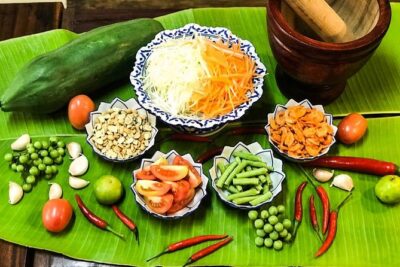
Pink Chili – Thai Cooking Class and Market Tour in Bangkok
Read our review →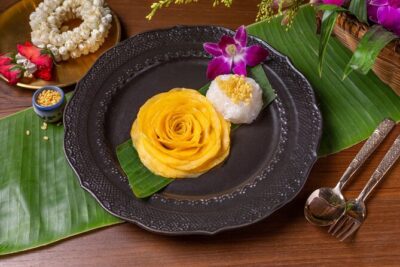
Authentic Thai Cooking with the Largest market visit &TukTuk ride
Read our review →Browse the lists this tour appears in