
Reviewed · RIVER KWAI & KANCHANABURI TOURS
Mystical Waterfall and River Kwai Tour (Private & All-Inclusive)
Seven tiers and wartime stories. This is a full-day ride from Bangkok that pairs the Erawan Falls hike with the private air-conditioned vehicle comfort of a real day trip, plus lunch and entrance fees. The only catch is it runs about 11 to 13 hours and asks for moderate fitness, since you’ll be walking as part of the waterfall experience.
A big part of the appeal is how the stops are explained on the ground. In the guide notes, Oil is highlighted for giving focused context at major points like the bridge area, so you understand what you’re seeing instead of just ticking off locations. You also get a long-tail boat ride on the River Kwai, which is a nice change of pace from museum time.
This is also a true private tour, so it’s built around your group only, with pickup and a mobile ticket. Do note the tour needs good weather, so if the forecast looks rough, you’ll want a little flexibility in your plans.
In This Review
- Key Points Worth Knowing Before You Go
- A Private Day Trip Plan From Bangkok, Built Around Comfort
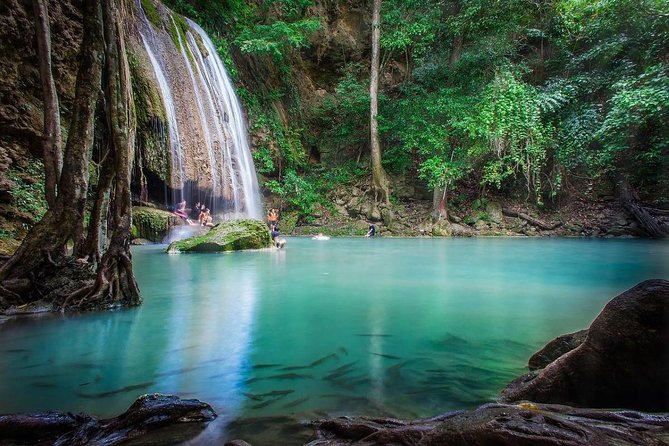
- Erawan Falls: Seven Tiers, Hindu Meaning, and a Real Hike
- River Kwai Time: One Hour on the Water and Slower Views
- JEATH War Museum: Learning the Death Railway Story Where It Began
- Thailand-Burma Railway Centre and Rod Beattie’s Private Lens
- River Khwae Bridge: The Bridge on the River Kwai, Plus the Reality Behind It
- Hellfire Pass: The 500-Meter Cut That Explains the Cost
- Other Nature and Culture Stops: National Parks, Reservoir Views, Khmer Temples
- Sai Yok Waterfalls and the Dam: Where the Region’s Water Controls the Day
- Lunch, Entrance Fees, and What All-Inclusive Really Covers
- Who This Tour Fits Best, Based on the Tour’s Demands
- Should You Book This Mystical Waterfall and River Kwai Tour?
- FAQ
- How long is the Mystical Waterfall and River Kwai Tour?
- What does the tour price include?
- Do I need good physical fitness for this tour?
- Is it a truly private tour?
- Does the tour run in any weather?
- Do I get a ticket on my phone?
- What happens during the Death Railway-related stops?
Key Points Worth Knowing Before You Go
- Erawan Falls is the main hike, with a set time block planned for the seven-tier falls
- All entrance fees plus lunch and bottled water are included, so you can budget easily
- Private comfort matters here, since you’re traveling a long day in a dedicated air-conditioned vehicle
- WWII stops are front and center, tying the Death Railway story to places you can actually stand on
- The Bridge over the River Kwai and Hellfire Pass offer two different angles on the same forced-labor tragedy
- The long-tail boat ride gives you a calmer, scenic segment on the River Kwai
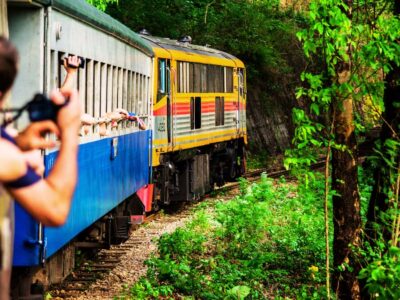
Cross the bridge, hear the history
A Private Day Trip Plan From Bangkok, Built Around Comfort
This tour is designed for people who want the big Kanchanaburi highlights without the chaos. You’re in a private, air-conditioned vehicle for the day, with pickup offered, and a schedule that groups the most important stops together so you spend less time negotiating transport.
At $198 per person, the price makes sense if you value three things: time, comfort, and having admissions handled. You’re not just paying for the view at Erawan Falls, you’re also paying for the full transfer day plus lunch, bottled water, and all entrance fees. For a long-distance day trip, that can be better value than piecing things together separately, especially if you’d rather avoid queues and last-minute ticket hunts.
The day runs about 11 to 13 hours. That’s normal for a route that includes both nature and WWII sites, but it does mean you should pack for a full-day rhythm, not a quick hop.
Erawan Falls: Seven Tiers, Hindu Meaning, and a Real Hike
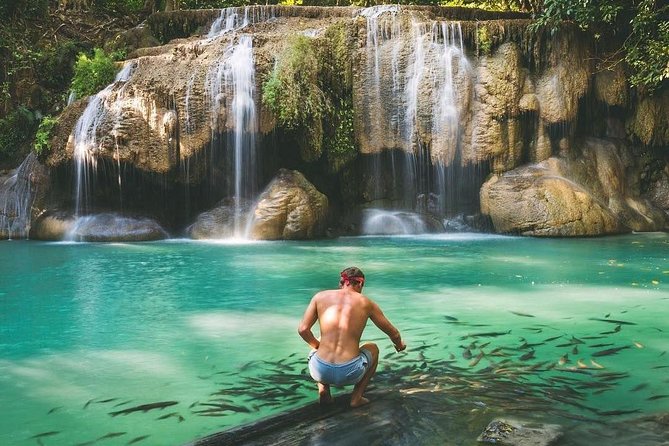
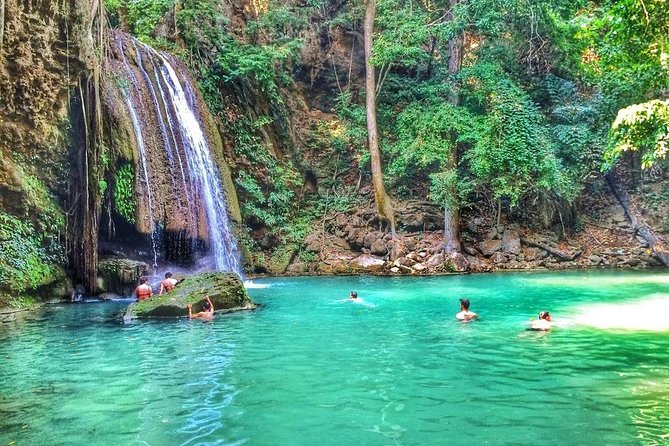
Erawan Falls is the heart of the nature portion, and it’s not just a pretty stop. It’s named after the erawan, the three-headed white elephant from Hindu mythology, and the seven-tier layout is said to resemble it. That myth helps you “read” the place as you walk, instead of treating it like any other waterfall.
You’ll have about 3 hours set for the Erawan Falls experience, with admission included. This is where the tour matches your moderate fitness level request: you should expect walking on paths that can be slick near water. If you’re comfortable moving at a steady pace, you’ll likely enjoy the gradual payoff of reaching higher sections.
A practical tip for your day: plan your shoes like you’re going to get damp. Even if you don’t plan to wade, waterfall areas can mean wet rock and humid air, and the difference between fine and miserable usually comes down to footing.
If you’ve got camera gear, you’ll want to protect it. Water spray plus riverside humidity is a real combo, and keeping your hands free for footing is worth more than you think.
River Kwai Time: One Hour on the Water and Slower Views
After the waterfall segment, you shift into the River Kwai mood. The tour includes about 1 hour by the river area, and the overview specifically calls out a long-tail boat ride on the River Kwai.
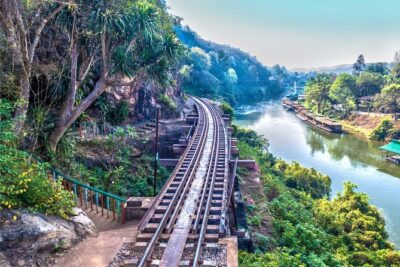
The Khwae Yai River, also known as the Si Sawat, runs through western Thailand, and seeing it from the water helps it click. From the boat, you get that “this is how the region moves” feeling that a viewpoint sometimes can’t recreate. It’s also simply a break from walking, which matters when you’re stacking nature and WWII sites in one day.
What I like about this timing is that it keeps the day from being nonstop history indoors. Even if you’re deeply interested in the WWII stops later, that boat hour gives you a mental reset.
Plenty else to do around Bangkok

JEATH War Museum: Learning the Death Railway Story Where It Began
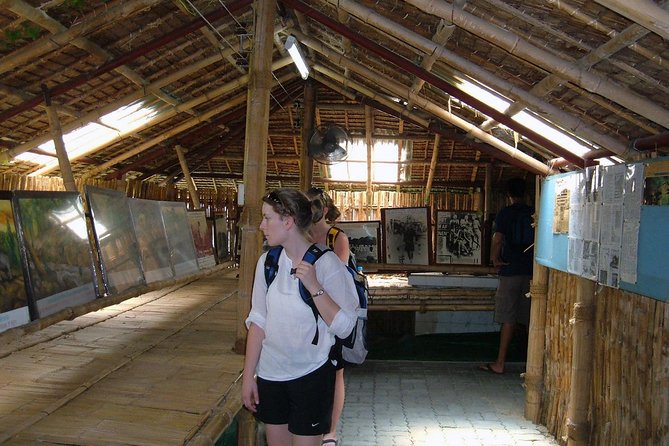
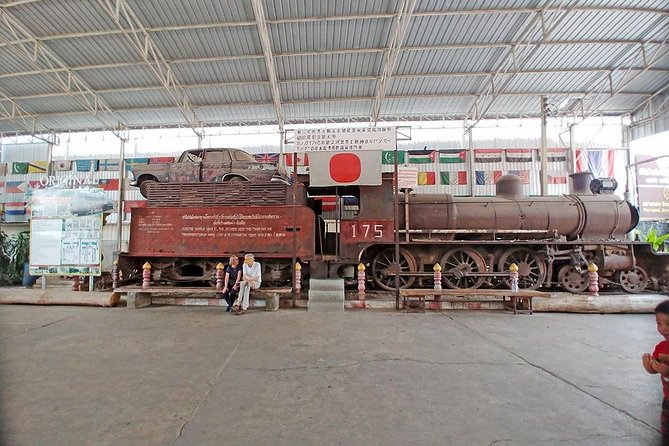
Then the tour goes straight into wartime reality at the JEATH War Museum, with about 1 hour planned and admission included. This museum focuses on the Death Railway, built from 1942 to 1943 by Allied POWs under Japanese direction as part of the Thai-Burma railways.
This stop matters because it gives context before you start walking around the more famous landmarks. The bridge is dramatic, Hellfire Pass is physical, but the museum is where the story becomes clear: who built the railway, why it mattered, and what the forced-labor system cost.
A good guide makes a huge difference here. In the guide feedback, Oil is noted for giving focused explanations at key sites, including the bridge area. That style helps you connect the museum information to the outdoor monuments you see afterward.
Emotionally, this is not a casual stop. I’d treat it like a moment of respect, and I’d also give yourself a little patience. If you rush it, you miss what makes the sites more meaningful.
Thailand-Burma Railway Centre and Rod Beattie’s Private Lens
Along the same WWII thread, the day includes the Thailand-Burma Railway Centre. This one is described as privately funded and run by Rod Beattie, an Australian with expertise in the history of the Thailand-Burma Railway.
Why that matters to you: privately run centers sometimes feel less like a generic exhibit and more like a long-term project shaped by a specific passion. You’re more likely to get interpretation that sticks, because someone built the place to explain the story the way they think it needs to be told.
If you care about turning the tragedy into understanding, this kind of focused museum stop helps. It also rounds out your timeline between the JEATH museum and the outdoor memorial spaces.
River Khwae Bridge: The Bridge on the River Kwai, Plus the Reality Behind It
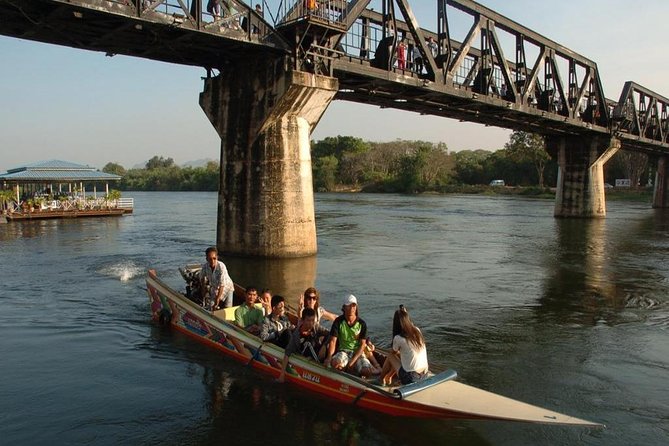
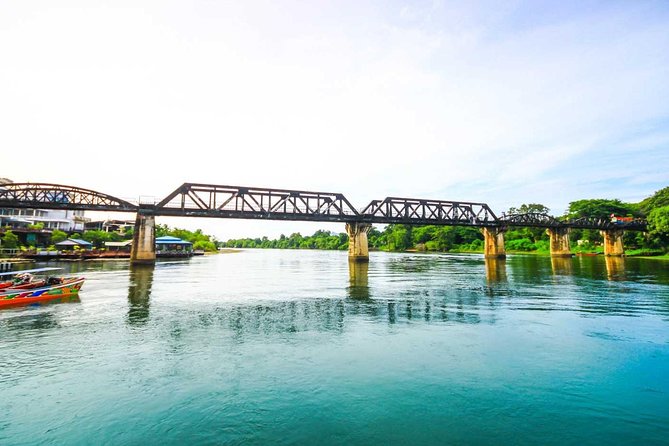
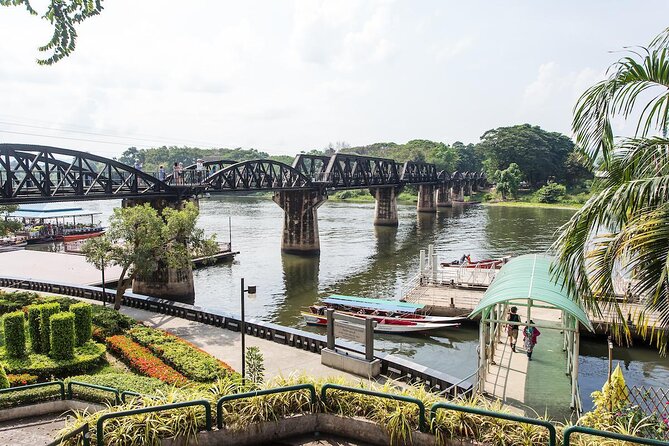
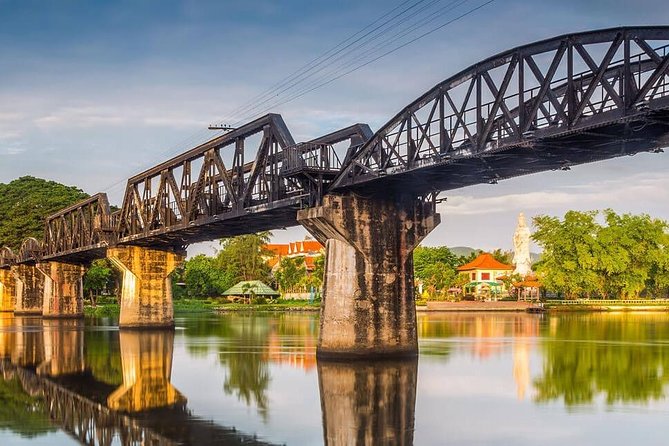
The most famous landmark in Kanchanaburi is the River Khwae Bridge. The description specifically notes it’s called the Bridge on the River Kwai because of the famous movie of the same name, and it’s framed as the region’s best-known historical landmark.
This stop is about 45 minutes, and admission is listed as free. That’s a short window, so it’s worth using your time smartly: don’t just take photos. Read the info, absorb the context from the nearby exhibits if available, and let the place do its work.
What can surprise you is how quickly the movie association fades when you realize this is a forced-labor story made visible in steel and stone. If your guide is strong, you’ll get that connection explained rather than assumed.
Hellfire Pass: The 500-Meter Cut That Explains the Cost
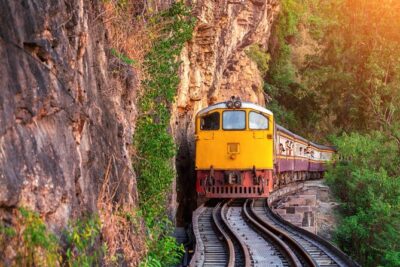
If the bridge is the icon, Hellfire Pass is the bruise. The tour describes Hellfire Pass as a 500-meter-long portion of rock that 1,000 prisoners of war dug out by hand to pave the way for the Death Railway. It also states that 700 of those men died during the 12-week digging period.
This is the kind of site where “wow” and “how awful” can happen in the same breath. The physical scale is small enough to walk, but the meaning is huge, because you’re seeing the result of extreme labor and suffering.
Practical approach: give yourself time to move slowly. Even if the route doesn’t look long, the weight of the story can make you want to stop and absorb. If you rush, you’ll miss what makes Hellfire Pass feel different from other memorials.
Also, bring something simple like a water bottle if the tour already includes bottled water, you’ll likely be set, but having extra sips can help you power through the emotional intensity.
Other Nature and Culture Stops: National Parks, Reservoir Views, Khmer Temples
Not every moment on this day is war-focused. The itinerary includes nature and cultural stops that help you see Kanchanaburi as more than a WWII corridor.
You may stop at Khuean Srinagarindra National Park, described as centered on the Srinagarind Reservoir as part of the Western Forest Complex protected area. If you enjoy scenery, this is a chance to switch gears and catch forest-and-water views without needing a long walk.
There’s also Mueang Sing, described as a historical park protecting the remains of two Khmer temples dating to the 13th and 14th centuries, declared a historical park in 1987. This is a good match if you like history, but want it to be separate from the WWII focus. It gives you a different era, different architecture, and a calmer pace.
You might also see a museum-like stop stepping back into prehistory, described as featuring artifacts from the Neolithic period on the banks of the Kwai Noi River. The point of that stop is perspective: the region’s human story is older than the rail tragedy by thousands of years.
Sai Yok Waterfalls and the Dam: Where the Region’s Water Controls the Day
The itinerary also references waterfalls in Sai Yok Yai National Park, described as fitting for a king, with King Rama V once visiting the site and it being praised in Thai songs and poems. The write-up also notes the falls are set back three kilometers from the location mentioned, which hints you may have some walking or a short transfer element depending on how the stop is arranged.
There’s also the Srinagarind Dam, an embankment dam on the Khwae Yai River used for river regulation and hydroelectric power generation. This isn’t only engineering for engineering’s sake. It explains why water management is such a big deal in this part of Thailand, especially when you’re seeing waterfalls and rivers in one long day.
And yes, the day includes a cave and waterfall stop. Since the specifics are brief, you’ll want to go in with flexible expectations, but the theme is clear: more nature moments to balance the heavier WWII content.
Lunch, Entrance Fees, and What All-Inclusive Really Covers
This tour is positioned as all-inclusive for the day trip elements that usually cause friction. Lunch, bottled water, and all entrance fees are included, and you travel in a private air-conditioned vehicle.
For me, this is the real value of “all-inclusive.” You reduce decision fatigue. You don’t have to shop for tickets between stops, and you don’t have to figure out where to eat in the middle of transit. On a day that’s about 11 to 13 hours, convenience becomes part of the product, not an extra.
Food tip: since the tour includes lunch but not details about cuisine, I’d stick to basics in how you plan your appetite. If you know you get heavy motion sickness in cars, eat lightly before the drive and keep water in mind, even though bottled water is included.
Also, remember the day blends outdoor time and museum time. Keep an eye on how you dress so you can handle humidity, damp surfaces, and indoor air-conditioning without feeling constantly underdressed or overdone.
Who This Tour Fits Best, Based on the Tour’s Demands
This is a strong choice if you want one organized day that combines Erawan Falls with key Death Railway sites, and you’d rather do it privately. It’s also ideal if you care about explanation, because the stops are meaningful and they work best when someone connects them for you.
It’s also a good pick for adults who can handle emotionally serious content. The WWII elements are not vague. The museum and Hellfire Pass are specific about forced labor and the toll.
The only group that should pause is anyone who can’t comfortably walk on uneven or wet ground during the waterfall portion. The tour asks for moderate physical fitness. If you’re unsure, you’ll be better off asking questions before booking so you can plan expectations.
Should You Book This Mystical Waterfall and River Kwai Tour?
Book it if you want a well-structured full-day route that turns nature and WWII history into one connected experience, with lunch, bottled water, and entrance fees handled and private transport keeping the day smooth. The strongest reasons people rate this highly are the guide approach and the way the stops are explained on-site, including the bridge area. If you’re the type who likes understanding what you’re standing in front of, this tour is built for you.
Skip it or reconsider if a long day sounds exhausting. You’re looking at about 11 to 13 hours, plus walking time at Erawan Falls and a physically intense memorial like Hellfire Pass. Also factor in the weather requirement, since this day depends on conditions around the waterfalls and outdoor stops.
FAQ
How long is the Mystical Waterfall and River Kwai Tour?
The tour runs about 11 to 13 hours. The day includes around 3 hours at Erawan Falls, about 1 hour on the River Kwai, about 1 hour at the JEATH War Museum, and about 45 minutes at the River Khwae Bridge.
What does the tour price include?
The price includes lunch, bottled water, and all entrance fees. You also get travel in a private air-conditioned vehicle, pickup offered, and a long-tail boat ride on the River Kwai.
Do I need good physical fitness for this tour?
Yes. The tour lists moderate physical fitness as the requirement, which matters most for the waterfall walking portion. If wet, uneven paths are a concern for you, think carefully before booking.
Is it a truly private tour?
Yes. This is a private tour/activity, so only your group participates.
Does the tour run in any weather?
The tour requires good weather. If it’s canceled due to poor weather, you’ll be offered a different date or a full refund.
Do I get a ticket on my phone?
Yes. The tour uses a mobile ticket.
What happens during the Death Railway-related stops?
The tour includes the JEATH War Museum focused on the Death Railway, plus the Bridge on the River Kwai and Hellfire Pass. Hellfire Pass is described as a 500-meter rock section dug out by 1,000 prisoners of war by hand, with 700 deaths reported during the digging period.
If you want, tell me your travel dates and your comfort level with walking on wet paths, and I’ll help you decide if the schedule sounds right for your trip style.
The newest additions around Bangkok
- Dream World & Snow Town in Bangkok with Return Transfer & Lunch
★ 4.5 · 3 reviews - Bangkok: Nong Nooch Garden
★ 5.0 · 3 reviews - Private tour to Ayutthaya and Lopburi Monkey Temple (from Bangkok)
★ 5.0 · 3 reviews - Guided Tour of Grand Palace & Emerald Buddha Temple in Bangkok
★ 5.0 · 3 reviews - Half Day DIY Grand Palace and Emerald Buddha Temple
★ 4.5 · 3 reviews - HD-01 Koh Rattanakosin old town cycling with The Giant Swing, and more
★ 5.0 · 3 reviews - Glittering Ayutthaya Tour to Famous Sights, Market & Sunset Boat
★ 4.5 · 3 reviews - Private Tour: The Best of Bangkok Temples – Half Day
★ 4.0 · 3 reviews
River Kwai & Kanchanaburi Tours, compared.


Erawan Waterfalls and Bridge Over River Kwai Tour from Bangkok
Read our review →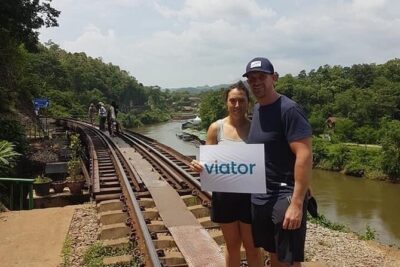
Bridge on the River Kwai and Thailand-Burma Railway Guided Tour
Read our review →
Erawan Waterfall and Elephant Care: Private Tour to Kanchanabur
Read our review →Browse the lists this tour appears in