
Reviewed · RIVER KWAI & KANCHANABURI TOURS
Kanchanaburi Local Cuisine and Elephant Care
A morning start and animal care set this day apart. You’ll spend hours in Kanchanaburi’s Thai-Chinese market world, then shift to temple views and rescued elephant education in a green setting by the River Kwai area. I love how the day blends food with people, not just sightseeing, and the schedule feels built around real local rhythms. You’ll also get the kind of elephant camp experience that focuses on the elephants’ stories, not gimmicks.
One thing to weigh: this is a full day with a 6:00 am start, and the elephant activities can get you wet, so you’ll want to plan for comfort and timing. Also, lunch is served with a local family, which is great for authenticity, but it may not match everyone’s tastes.
In This Review
- Key Points You’ll Appreciate
- A 6:00 am Start That Actually Makes Sense
- Nang Loy Fresh Market and the Old Market Connection by Mae Klong River
- Wat Tham Sua on a Hill, With Big Buddha and Wide Views
- Lunch With a Local Family at Maneewong House (Thai Cooking and Dessert)
- Rescued Elephants and Forest Activities, Plus Clothing for a Wet Day
- Price and Logistics: Is $237.35 Per Person Worth It?
- What to Pack for a Day That Includes Temples and Wet Elephants
- Who This Tour Fits Best (and Who Might Want Another Option)
- Should You Book This Kanchanaburi Local Cuisine and Elephant Care Day?
- FAQ
- What time does the tour start?
- How long is the experience?
- How do you get from Bangkok to Kanchanaburi?
- Is this a private tour?
- What’s included in the price?
- What happens at the lunch with the local family?
- Do I need to prepare for getting wet?
- What attractions are included besides the elephant camp?
- What if plans change and I need to cancel?
Key Points You’ll Appreciate
- Nang Loy markets with an old commercial district feel and Thai-Chinese shop fronts tied to the Mae Klong River
- Wat Tham Sua hilltop temple views, including the big Buddha image and pagodas looking toward Mae Krong River
- Family lunch at Maneewong House, with traditional Thai culinary and dessert-making instruction
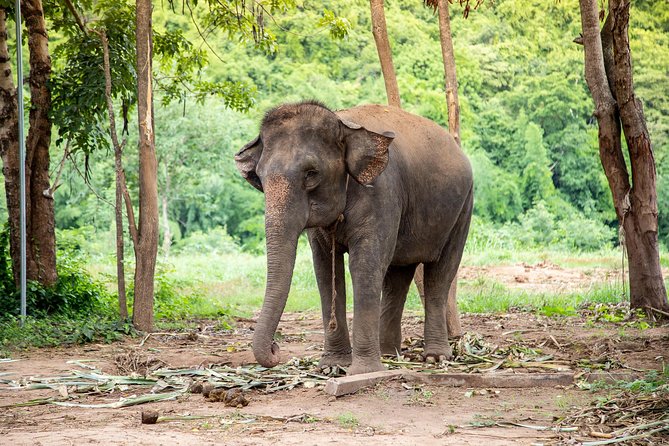
- Rescued elephant focus, where you learn each elephant’s background and join care-focused activities
- Wet elephant camp day is expected, and clothing is provided on-site
Feed and bathe, no riding
A 6:00 am Start That Actually Makes Sense
If you’re used to sleeping in while in Bangkok, this tour will wake you up fast. The day begins at 6:00 am with hotel pickup, then you head to Kanchanaburi with about a two-hour drive before you even start exploring. That early departure is the whole point: it gives you a quieter, more manageable start in the markets and helps you avoid feeling rushed at the elephant camp later.
The day runs about 12 hours, and you’re not just bouncing between quick photo stops. You’re getting time. That matters because market wandering works best when you can slow down. Temple visits also feel better when you arrive before the heat gets too intense.
On the plus side, it’s a private tour, meaning it’s only your group. You also get an air-conditioned vehicle, a professional guide, and a straightforward experience flow. On a long day, that kind of structure is comfort.
Nang Loy Fresh Market and the Old Market Connection by Mae Klong River
Your first big experience is the Nang Loy area market scene. You start with the fresh market side and then walk through the older Nang Loy old market area. What’s special here is the mix of old and new, and the Thai-Chinese community influence.
Nang Loy is described as an ancient market in the Tha Muang District of Kanchanaburi, linked to the Mae Klong River. The old commercial district has shop buildings that have stood for more than 100 years, so it doesn’t feel like a generic “market for tourists only” layout. You’ll see how the community still shops and trades day-to-day, with an eco-tourism approach that aims to revitalize local culture by keeping the neighborhood alive.
You’ll likely enjoy the pacing here most if you’re the type who likes to ask questions and look closely. A market like this is a place where you can spot ingredients you never buy back home, see vendors doing what they do every morning, and get a real sense of what locals cook with.
Practical considerations
- Plan for walking. Market paths can be uneven.
- Bring water, especially if you get warm easily. Bottled water is included, but you’ll still want to pace yourself.
- If you’re sensitive to crowds, arriving early helps. This tour is built around that early start.
Wat Tham Sua on a Hill, With Big Buddha and Wide Views
After lunch, you head to Wat Tham Sua, one of those “top ten most beautiful” temple spots in Kanchanaburi that many people skip when they only chase the famous landmarks. This temple is built on a hill, facing the Mae Krong River.
The standout elements here are the large Buddha image and the huge pagodas surrounding the hilltop area. The temple is also known for panoramic views, including sights over rice fields and toward mountains. Even if you’re not a temple super-fan, the view angle makes this stop feel like more than a quick entrance ticket.
Temple visits also add a nice change of pace from the sensory market experience. You move from food smells and shopfront chatter into a quieter, scenic setting where you can slow your brain down for a bit.
What to know before you go
- Expect some uphill walking because the temple is on a hill.
- Wear comfortable shoes. If your day starts early and ends late, your feet will tell the truth.
- Bring a hat or something for sun coverage. The hilltop view is worth it, but your face might need protection.
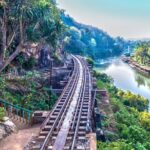
Cross the bridge, hear the history

Lunch With a Local Family at Maneewong House (Thai Cooking and Dessert)
The lunch stop is one of the most meaningful parts of this day: you’ll eat with a local family at Maneewong House, and you’ll also learn about traditional Thai culinary techniques and dessert making in their home.
This is where the tour shifts from “watching” to “being taught.” Food experiences like this tend to stick because you’re not just tasting. You’re learning what to notice, which ingredients matter, and how Thai cooking and desserts are approached in a real household setting.
From what I can infer about the experience style, the best version of this lunch is the open-minded one. You’re joining a family table and a home rhythm, not ordering from a menu in your home comfort zone. A previous participant noted that the family meal was a bit less for them than expected, but also said the family was extremely kind. That tracks with how these home-based experiences work: the hospitality can be outstanding, and the food might still surprise you.
How to make the lunch work for you
- If you have strong dietary restrictions, you should be cautious. The details on alternatives are not listed here.
- Go in ready to try things you might not recognize.
- Ask your guide what you’re eating and how it’s made. That’s where the learning pays off.
Rescued Elephants and Forest Activities, Plus Clothing for a Wet Day
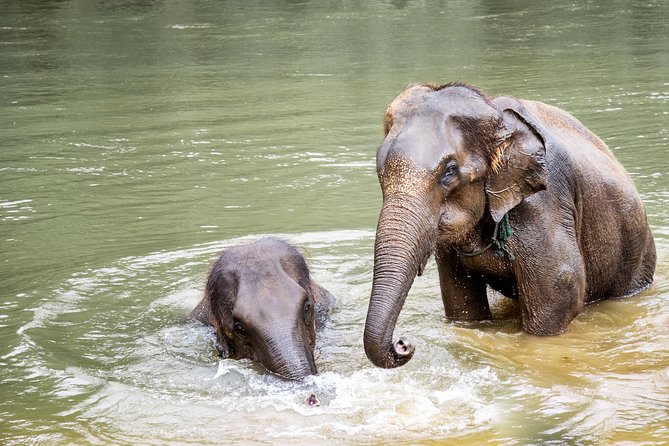
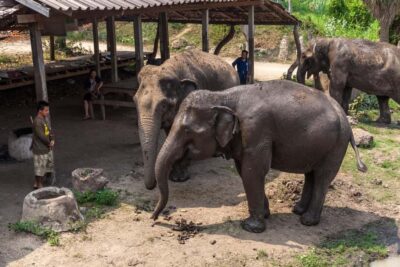
Now for the part many people remember first: the elephant experience at Elephants’ Home and Nature (บ้านช้าง และธรรมชาติ). This isn’t presented as a ride-and-run show. It’s framed around rescued elephants, where you learn about each elephant’s history and how it was treated in the past.
The camp setting is described as being surrounded by lush green forest and the area around River Kwai, which helps create a different mood than city zoo settings. The focus is on helping and learning rather than just watching from a distance.
You’ll participate in many activities. The tour also specifically warns you to prepare to get wet, and clothing is provided at the elephant camp. That’s a big deal for comfort. It means you should wear simple clothes you don’t mind getting damp, and you should plan to change or rinse afterward if needed.
Why this is valuable
- Rescued-elephant education gives context, so you see the animals as individuals, not just attractions.
- Hands-on activities, plus time with the camp staff, turns your “elephant photos” into an actual animal-care learning experience.
A balanced note
The description doesn’t spell out every type of interaction. So if your personal ethics are very specific, ask your guide in advance what activities include and what is expected of you. That’s the safest way to match the day to your comfort level.
Price and Logistics: Is $237.35 Per Person Worth It?
At $237.35 per person, this isn’t a cheap day trip. But the cost can make sense when you look at what’s bundled in.
You get:
- Hotel pickup and drop-off
- Air-conditioned vehicle
- Professional guide
- All entrance and activity fees
- Lunch with a local family at Maneewong House
- Bottled water
- Clothing provided at the elephant camp
- Mobile ticket
That’s a lot of “you would otherwise have to arrange this yourself” value. If you tried to do it independently, you’d likely spend time coordinating transport, buying tickets, and finding a reliable elephant-care-focused program.
The private format also affects value. A private tour means you’re not sharing your time with random strangers who may not care about the same details as you. It’s also easier to ask questions directly to the guide, especially during the market and home-lunch parts where the learning depends on conversation.
The main thing to consider before you pay
This is a full day, about 12 hours, and it begins early. If your trip style is more “slow breakfast, late starts,” you might feel the schedule squeeze. If you’re happy to start early for a packed cultural day, the pricing becomes much easier to justify.
What to Pack for a Day That Includes Temples and Wet Elephants
Because the day mixes markets, a hilltop temple, home lunch, and wet elephant activities, you’ll pack differently than you would for a simple temple-only day.
Bring:
- Comfortable walking shoes for markets and hilltop temple terrain
- Sun protection (hat, sunglasses, light layers)
- A small bag that can handle damp conditions
- A change of clothes if you get uncomfortable when fabric stays wet
Wear:
- Lightweight clothes you don’t mind getting wet, since the camp experience includes water activities
- Something easy to move in for hands-on elephant activities
Good news: you have bottled water included, and the camp provides clothing, which reduces the stress of bringing exact rain gear.
Who This Tour Fits Best (and Who Might Want Another Option)
This day is a strong match if you want a trip that mixes:
- Local markets with a real community vibe
- Temple views with a hilltop setting and river direction
- Food learning in a home setting, including dessert making
- Elephant care education focused on rescued elephants
It’s especially good for couples, small groups, and anyone who likes their travel days structured but not stiff. The private setup makes it feel more personal, and the guide support helps you understand what you’re seeing and eating.
You might want to choose something else if:
- You hate early starts and long days.
- You prefer “dry-only” activities. The elephant portion involves getting wet.
- You need very specific dietary accommodations for the family lunch. The available details here do not confirm alternatives.
Should You Book This Kanchanaburi Local Cuisine and Elephant Care Day?
I’d book it if you want one day that actually teaches you something: market culture, Thai cooking and dessert making at a family home, and rescued-elephant background and care-focused activities. The day also earns its value with included transport, guide, entrance fees, lunch, and even camp clothing.
I would skip or ask extra questions first if you are uneasy about getting wet, or if your elephant-interaction comfort level is very strict. The program is clearly rescue-focused in the description, but the exact interaction style is not fully itemized here.
If you’re traveling in the Bangkok area and you want a Kanchanaburi day that feels hands-on and local, this is a solid choice. Plan for a long day, wear shoes you can walk in, and go with curiosity. You’ll likely leave with stories that go beyond photos.
FAQ
What time does the tour start?
The tour starts at 6:00 am, with a guide greeting you at your hotel lobby.
How long is the experience?
It runs for about 12 hours.
How do you get from Bangkok to Kanchanaburi?
You travel by air-conditioned vehicle with private transportation.
Is this a private tour?
Yes. Only your group participates.
What’s included in the price?
Included are hotel pickup and drop-off, a professional guide, air-conditioned vehicle, all entrance and activity fees, lunch with a local family at Maneewong House, bottled water, and clothing provided at the elephant camp.
What happens at the lunch with the local family?
You have lunch with the local family at Maneewong House, and you learn about traditional Thai culinary and dessert making in their home.
Do I need to prepare for getting wet?
Yes. The elephant camp activities include instructions to prepare to get wet, and clothing is provided at the camp.
What attractions are included besides the elephant camp?
You’ll visit the Fresh Market Kanchanaburi area (including Nang Loy markets), and Wat Tham Sua temple.
What if plans change and I need to cancel?
Free cancellation is available. You can cancel up to 24 hours in advance for a full refund, based on local time.
The newest additions around Bangkok
- Train Market, Floating Market, and Salt Lake Tour by driver
★ 5.0 · 1 review - Central Thailand Walking Tour and visit Temple at Bangkok
★ 5.0 · 1 review - Private 2-Day Bangkok City Tour and Ayutthaya Tour from Bangkok
★ 5.0 · 1 review - Fullday Private Tour Bangkok Temple & City Tour with lunch+Amazing Bangkok Tour
★ 5.0 · 1 review - Bangkok: One Day Thai Costume Rental (Gentleman)
★ 2.0 · 1 review - Laem Chabang Shore Excursion : Shopping, Massage & Food Tasting
★ 5.0 · 1 review - Bangkok Dream World & Snow Town Theme Park Admission Ticket
★ 3.0 · 1 review - Bangkok 4 Hour Cultural & Temples Tour Private with Guide
★ 5.0 · 1 review
River Kwai & Kanchanaburi Tours, compared.

Erawan Waterfalls and Bridge Over River Kwai Tour from Bangkok
Read our review →
Bridge on the River Kwai and Thailand-Burma Railway Guided Tour
Read our review →
Erawan Waterfall and Elephant Care: Private Tour to Kanchanabur
Read our review →Browse the lists this tour appears in