
Reviewed · RIVER KWAI & KANCHANABURI TOURS
From Bangkok: Death Railway & River Kwai Bridge Private Tour
History meets a train ride in Kanchanaburi. This private day trip pairs WWII context with the Death Railway and the River Kwai bridge, so you are not just seeing sights, you are understanding why they matter. I especially like the very early hotel pickup and smooth air-conditioned drive out of Bangkok, and I love that the day is structured around real places like the Burmese Railway Museum, the war cemetery, and the train route itself.
One thing to plan for, it is a long day with a rough 2 to 2.5 hour journey each way, and the cemetery and museum may run in the afternoon depending on operations. If you want a light, carefree outing, this is not it, but if you are ready for an emotional history day plus a scenic rail segment, it is a strong fit.
In This Review
- Key highlights worth aiming for
- Bangkok pickup to Kanchanaburi: what the day really feels like
- Burmese Railway Museum: the easiest way to understand what you are seeing
- River Kwai bridge photo stop: more than just a viewpoint
- War Cemetery and memorial: how to handle this stop respectfully
- The Death Railway train ride: the highlight that makes the history tangible
- Kra Sae Cave: a short reset after heavier stops
- Lunch included: what to expect and how to make it work for you
- Guide and driver: why the service level matters on this route
- Price and value: is $169 per person fair for what you get
- Who this tour fits, and who should consider alternatives
- Should you book this Death Railway and River Kwai private tour?
- FAQ
- How long is the Death Railway and River Kwai private tour?
- Where do pickup and drop-off happen in Bangkok?
- Is this tour private or shared?
- Do I get an English-speaking guide?
- What WWII-related sites are included?
- Is the train ticket included?
- Is lunch included?
- Are entrance fees included?
- What should I bring?
- Is the tour wheelchair accessible?
- Can I cancel, and can I pay later?
Key highlights worth aiming for
- Very early departure from central Bangkok so you spend more time in Kanchanaburi and less time stuck on Bangkok traffic
- Interactive Burmese Railway Museum with period photos and models that make the WWII story easier to follow
- River Kwai bridge photo stop plus guided time to orient yourself before the train segment
- War Cemetery and Allied POW memorial with a chance to pay respects for about 6,000 Allied prisoners of war
- Death Railway train ticket included plus a guide who helps you get the best viewing position
- Kra Sae Cave stop for a breather after heavier memorial and museum time
Cross the bridge, hear the history
Bangkok pickup to Kanchanaburi: what the day really feels like
This is the kind of tour that starts early on purpose. You get hotel pickup in Bangkok city center, then you ride in a private air-conditioned vehicle with an English-speaking guide and a driver. The drive is roughly 2 to 2.5 hours each way, so even though the tour duration is listed as 8 hours, treat it as a full, mentally active day rather than a short sightseeing hop.
The value here is not just transport. Because you have a guide, you are not figuring out timing and logistics while you are already thinking about POW history and wartime sites. The early start also matters for pacing. In a place like Kanchanaburi, where you are moving between museum, memorial, bridge, train, and cave, the biggest enemy is feeling rushed. A private format helps you avoid the worst of that.
Also, pack like you expect to be outside. Comfortable shoes are a must, plus sunglasses and an umbrella, because you are doing photo stops and walking at multiple points during the day.
Burmese Railway Museum: the easiest way to understand what you are seeing
The first major history anchor is the Burmese Railway Museum. It is interactive, and it focuses specifically on the Thailand-Burma Railway built by the Empire of Japan in 1943. You get a self-guided visit time of about 40 minutes, which is a good length. You can read and look without feeling like you are in a museum marathon, and you still have enough time to absorb the story before you move on to the cemetery and bridge.
What I like about this stop is how it sets the scene. The Death Railway rail segment and the River Kwai bridge can feel like just powerful visuals if you arrive with no background. With the museum context, you start connecting the dots between WWII history, forced labor, and the places you will walk or photograph later.
Practical tip: pace yourself. If you read everything at once, you may miss the bigger themes. Instead, use the first 10 minutes to get oriented, then slow down where you are most curious. The museum is built for exactly that kind of “pick what you want” approach.
River Kwai bridge photo stop: more than just a viewpoint
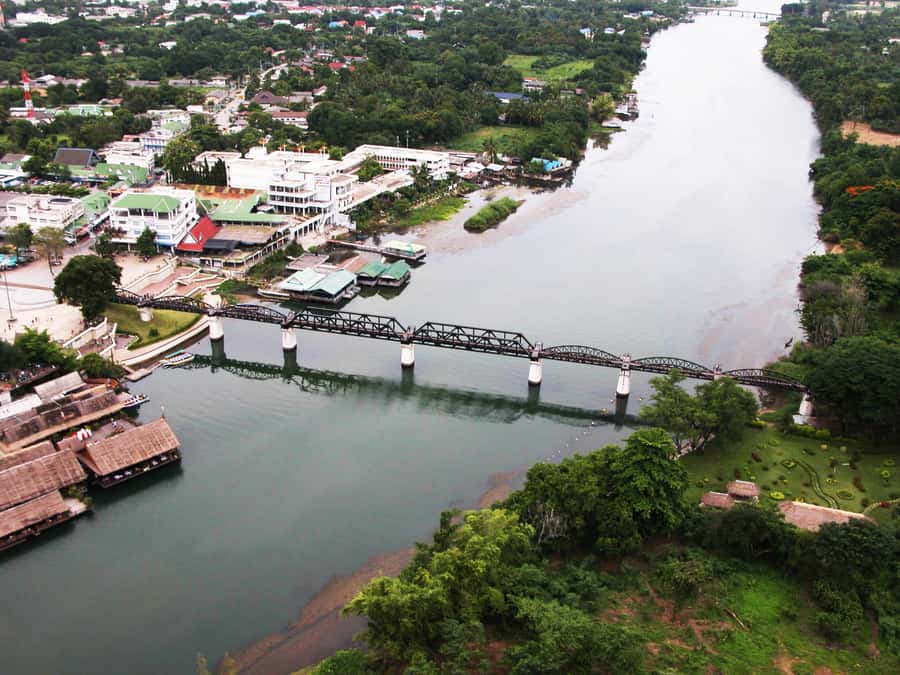
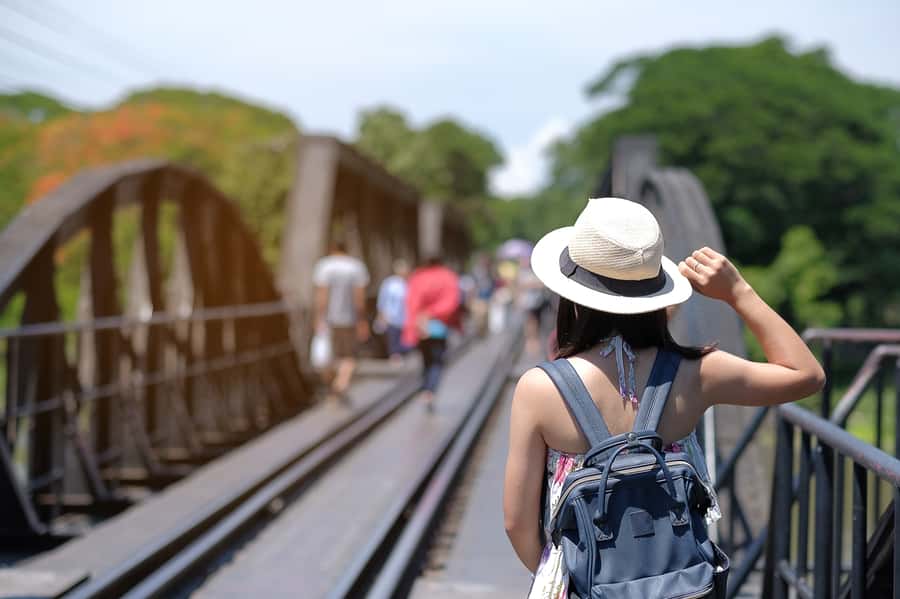
Next comes the River Kwai bridge stop, with a guided visit time of about 30 minutes. You will have a photo stop and a bit of guided sightseeing time, which is useful because it helps you know where to stand and what to look for before the train segment.
I also like that this stop acts like a transition. You have just come from the museum, then you move to the cemetery, then the train. The bridge stop sits in that middle zone where you are turning information into real geography. When the bridge and railway locations are pointed out clearly, the rest of the day clicks into place.
The only drawback is that bridge-time can be affected by timing and weather, since the day runs with real-world schedules. If you are sensitive to heat or rain, bring the umbrella you are told to bring. It is not a fashion accessory on this route, it is for comfort while you are waiting for the right photo spot.
Ride the rails out of town

War Cemetery and memorial: how to handle this stop respectfully
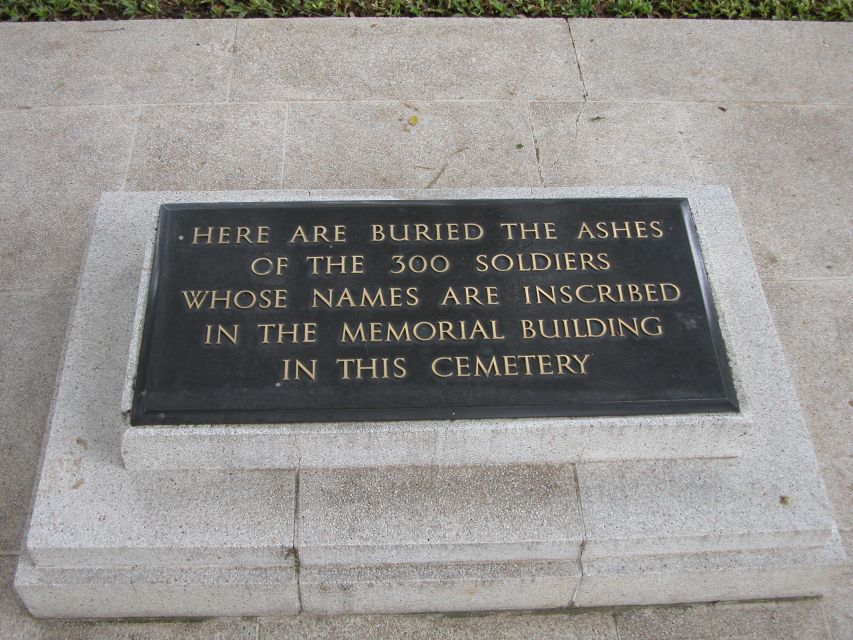
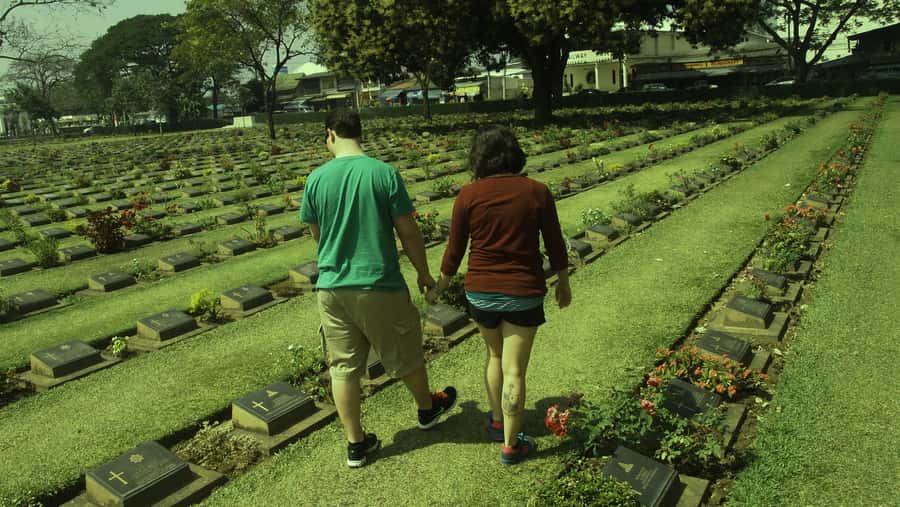
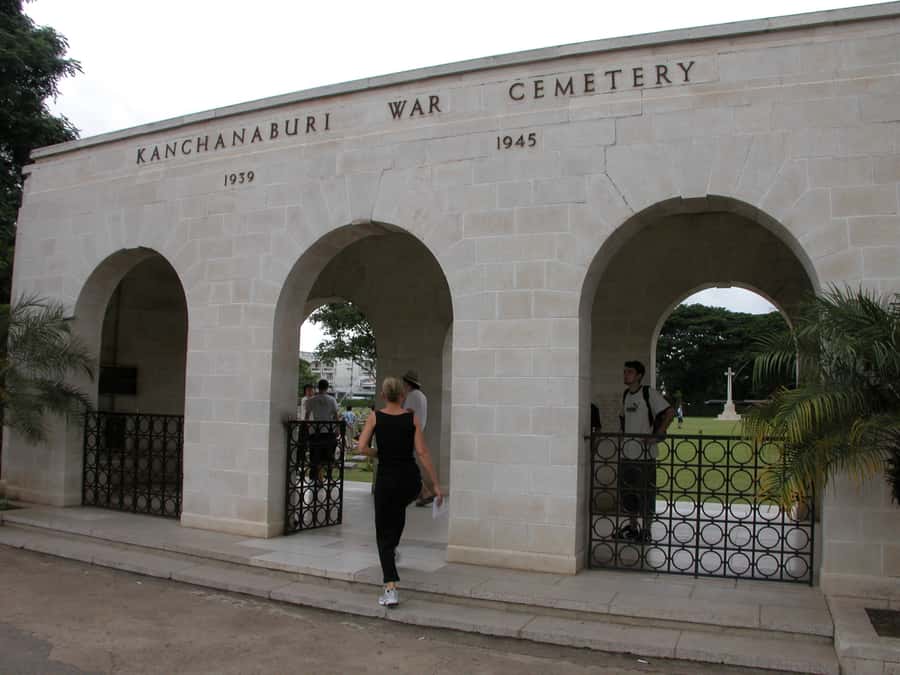
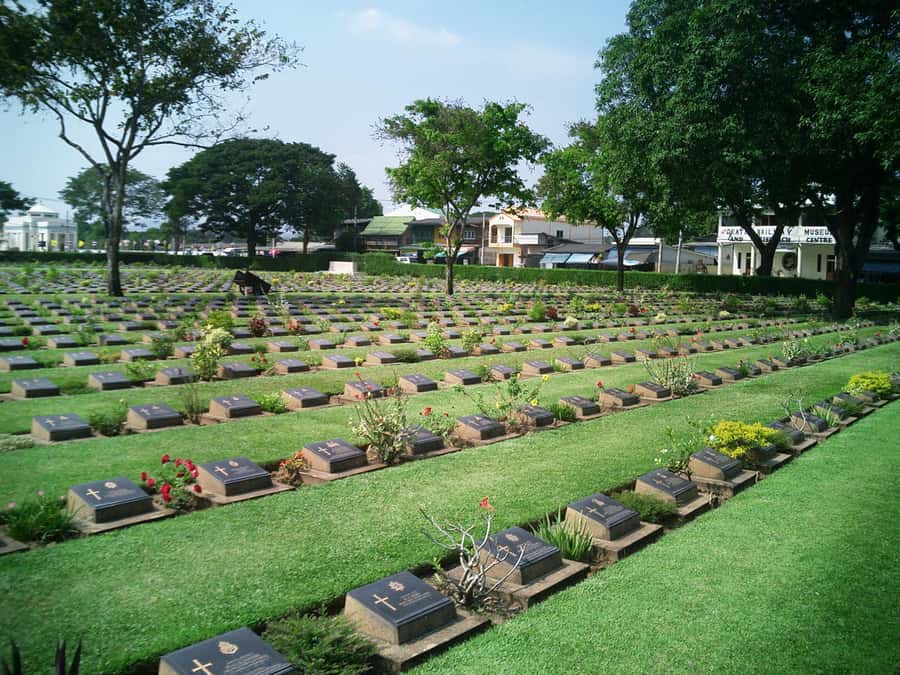
The emotional heart of the day is the Kanchanaburi War Cemetery and its memorial. You have a photo stop and guided tour for about 30 minutes, and along the way you also get scenic views. This is one of those stops where “perfect timing” matters less than “calm attention.”
You are visiting a memorial to some 6,000 Allied prisoners of war. That number is large enough to be sobering, and the cemetery setting gives you a physical sense of loss. If you have ever felt like WWII history texts stay abstract, this is the place that corrects that. You do not need to be an expert to understand what you are looking at.
One practical consideration: the cemetery and museum may operate in the afternoon depending on schedules. That matters because you might face changing light conditions for photos, plus it might shift your energy levels. Either way, give yourself permission to slow down. The tour is private, so you can generally take a breath without feeling like you are holding up a big group.
The Death Railway train ride: the highlight that makes the history tangible
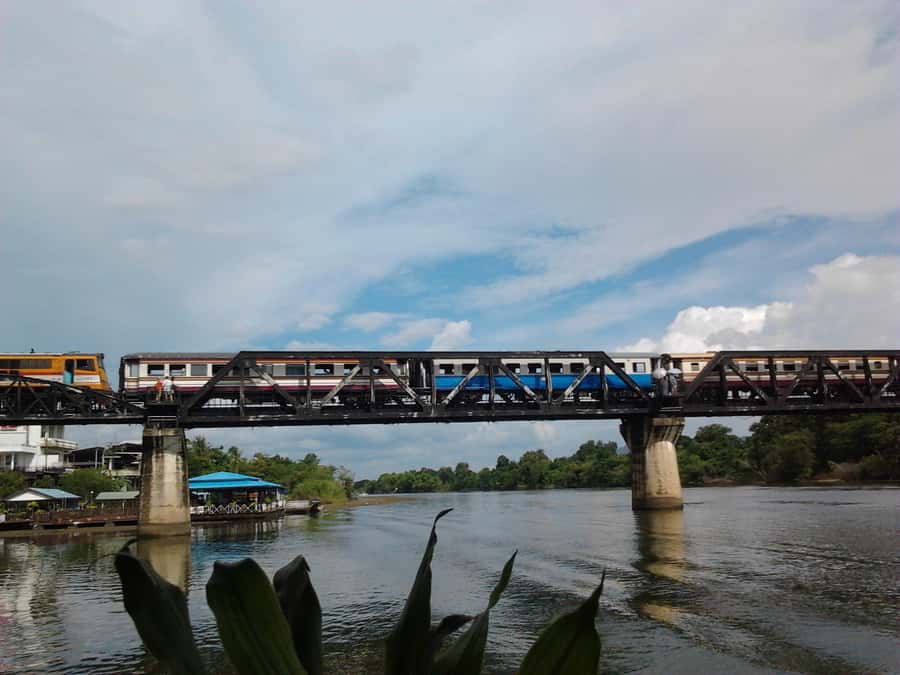
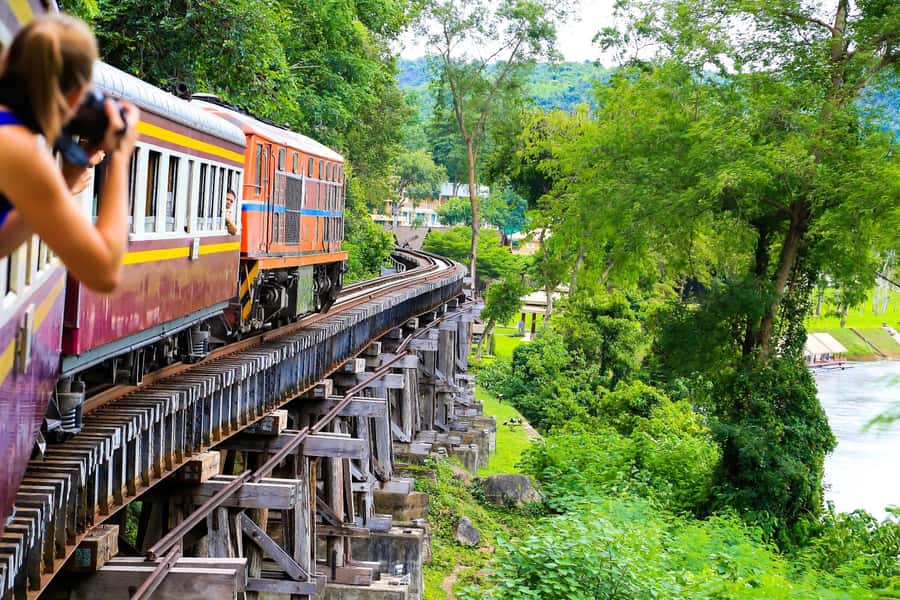
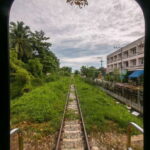
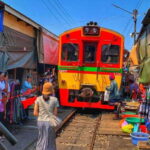
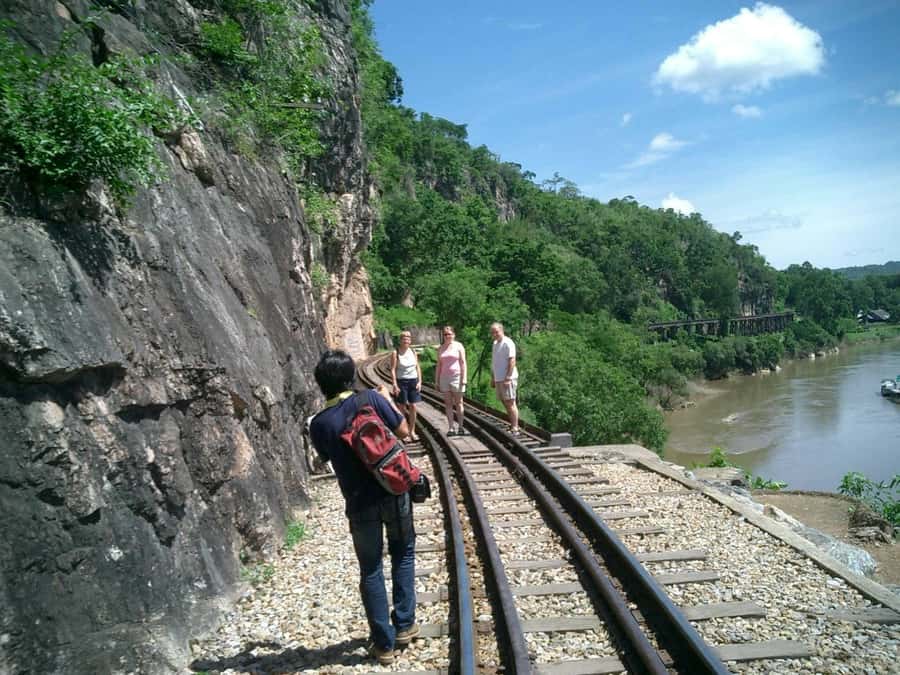
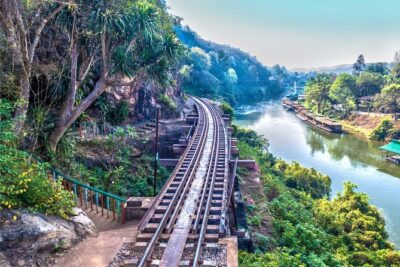
Then comes the train, the moment most people are really here for. You get about 40 minutes on the train as part of the Death Railway experience. The point is not entertainment. It is to experience the route itself, and to understand how the railway segment functioned within the WWII context you learned earlier.
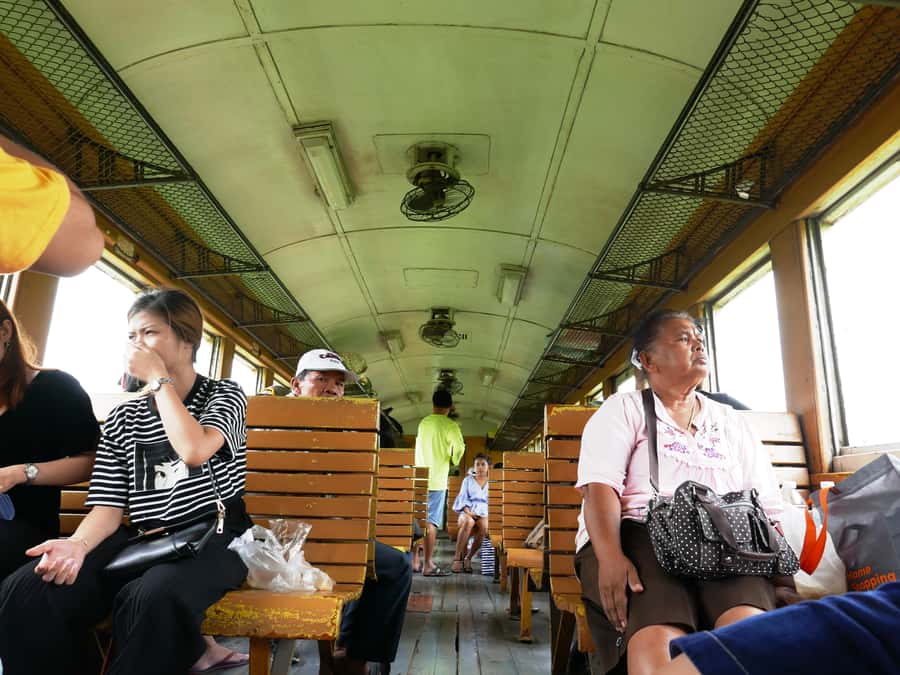
This is where a good guide quietly makes a difference. In the feedback I reviewed, people often praised guides for helping them get decent seats and good viewing angles. If you are the kind of person who wants the best angle for photos, you will appreciate that kind of help.
Seat comfort is worth mentioning. One review noted that the train seats can be wooden, and a cushion can make a difference. You might not think of that until you are sitting for a while, so if you have a small foldable cushion, bring it. It is a small thing that can turn an uncomfortable segment into a tolerable, even enjoyable, rail moment.
What you will feel on the train is contrast. You start the day with museum explanations and cemetery reflections, then the train brings you along a route with its own beauty. The scenery is not the point, but it is real. You get to look out and see the world moving alongside a piece of history that should never be treated casually.
Kra Sae Cave: a short reset after heavier stops
After the train, the tour includes Kra Sae Cave. You get about 20 minutes here, with a photo stop and guided sightseeing. This is shorter than the museum and cemetery, but it serves an important role in the overall day. It is a chance to stand up, shift your attention, and experience a different kind of setting after memorial and museum time.
The cave stop is also practical pacing. A day that includes cemetery and WWII context can feel mentally heavy. A brief nature-oriented break helps you avoid turning the entire day into one long emotional stretch.
If you are planning to walk a bit during the cave visit, comfortable shoes matter again. Caves can mean uneven ground, and you do not want to be adjusting your footwear while trying to listen and look.
Lunch included: what to expect and how to make it work for you
Lunch is included in the tour, and it is described as a local Thai restaurant meal. Reviews also highlight that lunch can be a tasty, sit-down break with time to refuel. The good part is that you are not hunting for food after the cemetery and train. You can focus on the day instead of the daily logistics.
Because extra meals and drinks are not included, plan on covering any additional water or snacks you want beyond what is provided during stops. In several write-ups, guides and drivers were praised for giving cold water during breaks, but you should still bring your own small extras if you have dietary preferences.
If you have a sensitive stomach or you dislike spicy food, mention it to your guide when you sit down. The tour structure keeps lunch from becoming an improvisation moment.
Guide and driver: why the service level matters on this route
This tour is built around an English-speaking guide and a private driver, and that combination is a big part of the value. The drive is long, the locations are meaningful, and the day includes both walking and quiet, reflective stops. You want someone who can keep timing reasonable, explain the context clearly, and help you move from one place to the next without stress.
Across the guide names mentioned in feedback, you can see a pattern: people loved guides who spoke in clear English, explained WWII history with real context, and made sure everyone had what they needed at each step. Names that stood out included Wes, Mr King, Johnny, George, Paula, and Aom. The specific personality changes by guide, but the consistent theme is care, clarity, and pacing.
A practical advantage worth calling out: some guides help with photos. If your guide knows good photo spots, you spend less time guessing where to stand. You might even get photos sent after the day, depending on how your guide works.
Price and value: is $169 per person fair for what you get
At $169 per person, this tour is not budget travel. But it can be good value if you compare what is included versus what it would cost you to DIY.
You are paying for:
- Hotel pickup and drop-off in central Bangkok
- Private air-conditioned transport with a driver
- An English-speaking guide
- Entrance fees
- Train ticket for the Death Railway segment
- Lunch
- Travel insurance
- Expressway fee
The big cost drivers are the long-distance car time plus the fact that the train ticket and guide are part of the package. For many people, the real benefit is not money saved, it is time and confidence. You do not want to spend your limited day in Kanchanaburi figuring out train logistics, entrance timing, and what you are looking at while you are already processing tough WWII history.
So here is my take on value: if you want a structured day with context, reduced hassle, and someone guiding the pace, the price can feel fair. If you are comfortable planning and translating everything yourself, you might find cheaper options. But on a history-heavy route where timing and interpretation matter, this private setup makes sense.
Who this tour fits, and who should consider alternatives
This is best for you if you:
- Want a private, English-guided day focused on WWII history and real sites
- Appreciate a structured itinerary with museum, memorial, bridge, train, and cave stops
- Prefer comfort for the drive, thanks to air-conditioned transport and hotel pickup
It is less ideal if you:
- Are looking for a light or purely scenic day
- Need wheelchair accessibility, because it is not suitable for wheelchair users
Also think about your emotional comfort level. The cemetery and memorial stop is part of the core experience. If you prefer history in a less personal format, you might find this heavy. If you can handle emotional sites respectfully, you will likely come away with a better understanding of what this region represents.
Should you book this Death Railway and River Kwai private tour?
I think this is a strong booking if you want the key sites connected into one smooth day, with a guide to explain the story behind the bridge and the Death Railway train ride. The biggest reasons to book are the built-in context at the Burmese Railway Museum, the respectful visit at the war cemetery and Allied POW memorial, and the fact that the train ticket is included so you do not have to guess your way through the most important segment.
If you choose to go, go prepared for a long day and bring a cushion if you are sensitive to seat comfort. And remember that the museum and cemetery timing can shift, so you should not plan a separate must-do activity immediately afterward.
If you want a practical, well-paced history day from Bangkok that balances heavy remembrance with a real on-route train experience, this one deserves a spot on your shortlist.
FAQ
How long is the Death Railway and River Kwai private tour?
The tour duration is listed as 8 hours.
Where do pickup and drop-off happen in Bangkok?
Hotel pickup and drop-off are included, with 6 pickup locations in Bangkok city center and matching drop-off locations.
Is this tour private or shared?
It is a private group tour.
Do I get an English-speaking guide?
Yes. The tour includes an English-speaking guide.
What WWII-related sites are included?
You visit the Burmese Railway Museum, the Kanchanaburi War Cemetery and memorial, and the bridge over the River Kwai, plus the Death Railway train ride.
Is the train ticket included?
Yes. The train ticket is included.
Is lunch included?
Lunch is included. Extra meals and drinks are not included.
Are entrance fees included?
Yes. All entrance fees are included.
What should I bring?
Bring comfortable shoes, sunglasses, an umbrella, and a camera.
Is the tour wheelchair accessible?
No. It is not suitable for wheelchair users.
Can I cancel, and can I pay later?
There is free cancellation up to 24 hours in advance for a full refund, and you can reserve now and pay later.
The newest additions around Bangkok
- Dream World & Snow Town in Bangkok with Return Transfer & Lunch
★ 4.5 · 3 reviews - Bangkok: Nong Nooch Garden
★ 5.0 · 3 reviews - Private tour to Ayutthaya and Lopburi Monkey Temple (from Bangkok)
★ 5.0 · 3 reviews - Guided Tour of Grand Palace & Emerald Buddha Temple in Bangkok
★ 5.0 · 3 reviews - Half Day DIY Grand Palace and Emerald Buddha Temple
★ 4.5 · 3 reviews - HD-01 Koh Rattanakosin old town cycling with The Giant Swing, and more
★ 5.0 · 3 reviews - Glittering Ayutthaya Tour to Famous Sights, Market & Sunset Boat
★ 4.5 · 3 reviews - Private Tour: The Best of Bangkok Temples – Half Day
★ 4.0 · 3 reviews
River Kwai & Kanchanaburi Tours, compared.

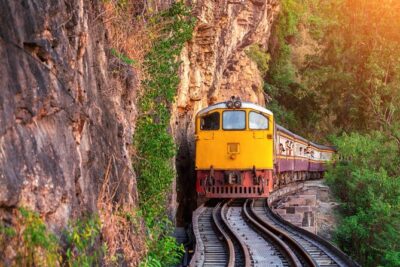

Erawan Waterfalls and Bridge Over River Kwai Tour from Bangkok
Read our review →
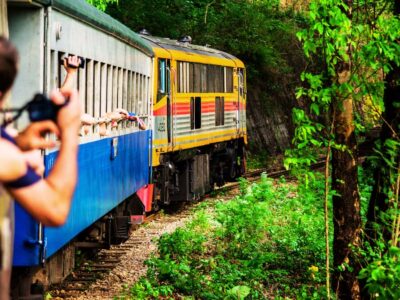
Bridge on the River Kwai and Thailand-Burma Railway Guided Tour
Read our review →
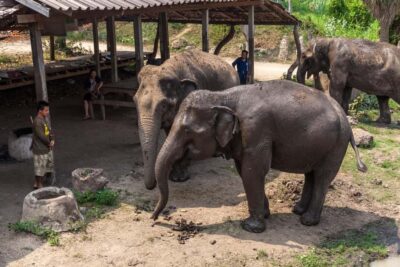
Erawan Waterfall and Elephant Care: Private Tour to Kanchanabur
Read our review →Browse the lists this tour appears in