
Reviewed · RIVER KWAI & KANCHANABURI TOURS
Bangkok: 2-Day River Kwai Trip with Floating Hotel and Meals
There is nothing casual about this trip. You get WW2 sites and a real rail story, then you sleep on a bamboo floating raft hotel on the River Kwai, with a Mon cultural evening to close the day.
I especially love how the days are built around meaning, not just sightseeing. The visits to the Thailand-Burma Railway history spaces and the Allied War Cemetery help you understand what happened here, then the next stops put you in front of the physical remains, including the River Kwai Bridge and Hellfire Pass.
One thing to consider: it is a full, long day of travel and walking in heat. Also, the raft stay is memorable, but it is still basic by hotel standards, so pack for simple comfort rather than luxury.
In This Review
- Key Things You’ll Remember
- A 2-Day Plan That Feels Like a Story, Not a Checklist
- River Kwai Jungle Rafts Floating Hotel, Bamboo Rooms, and Real Comfort Expectations
- Day 1 in Kanchanaburi: Museums, POW Cemetery, and the Bridge Over the River Kwai
- River Ride to the Rafts, Lunch Stops, and a Hellfire Pass Memorial Evening
- The 45-Minute Mon Dance Presentation: Culture With a Human Focus
- Day 2 Starts in a Mon Tribal Village, Then Moves Into the Death Railway Train
- Timing, Heat, and the Reality of a Long Day From Bangkok
- Price and Value: What $241 Buys You Here
- Who This Tour Fits Best, and Who Might Want a Different Style
- Should You Book the 2-Day River Kwai Trip?
- FAQ
- What meals are included on the 2-day trip?
- What are the main stops on Day 1?
- What happens on Day 2?
- What type of room do you get at the floating hotel?
- Does the tour include an English-speaking guide?
- Where do you meet if your Bangkok hotel is not in the pickup areas?
- Is the tour wheelchair accessible?
- What travel documents do I need?
- Is free cancellation available?
Key Things You’ll Remember
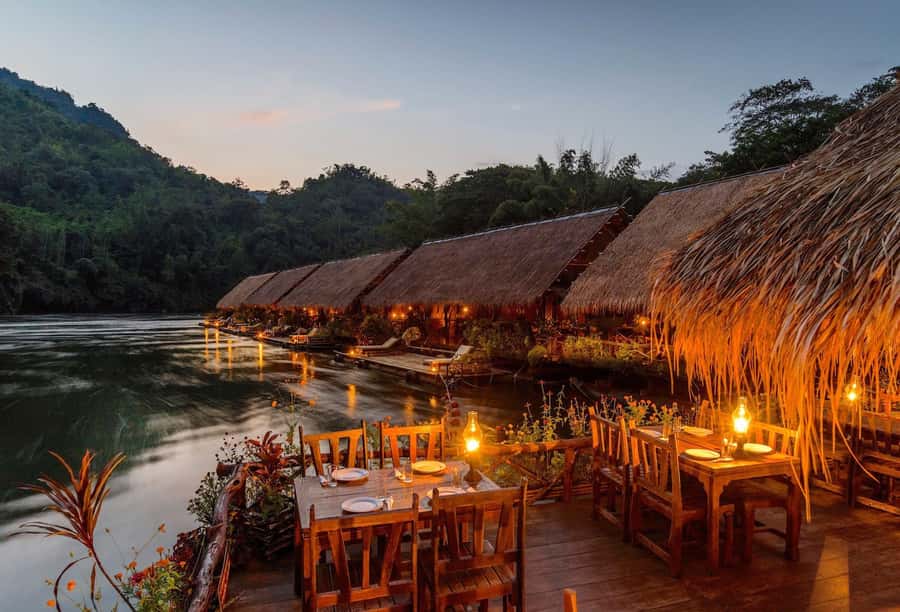
- River Kwai Jungle Rafts puts you on the water in a bamboo floating-room setup, with an experience feel that is hard to copy.
- Hellfire Pass Memorial is emotionally heavy, and it can be hot, so plan shade and water.
- Death Railway train ride gives you the real vibe of the old line, including passes over original wooden viaducts.
- Mon culture at night and in the village is not tacked on. The focus stays on people and traditions.
- Guides and organization are a big part of the value, with English support that keeps you moving and making sense of the sites.
Cross the bridge, hear the history
A 2-Day Plan That Feels Like a Story, Not a Checklist
This trip has a strong rhythm. Day 1 moves you from museums to memorials to the river, then finishes with Mon culture. Day 2 shifts into village life and then the Death Railway train experience. You are not bouncing randomly, and that matters when the subject matter is as intense as the Thailand-Burma Railway.
The best part is the contrast. You go from war cemeteries and cuttings to floating down the river in daylight, then you wake up to jungle air and a historic train. If you like travel that teaches you something real, this one works.
You also get a guided structure that prevents you from wasting time trying to connect pieces on your own. A lot of people could visit Kanchanaburi attractions, but the value here is having the schedule connected, with admissions covered and an English-speaking guide keeping the story coherent.
River Kwai Jungle Rafts Floating Hotel, Bamboo Rooms, and Real Comfort Expectations
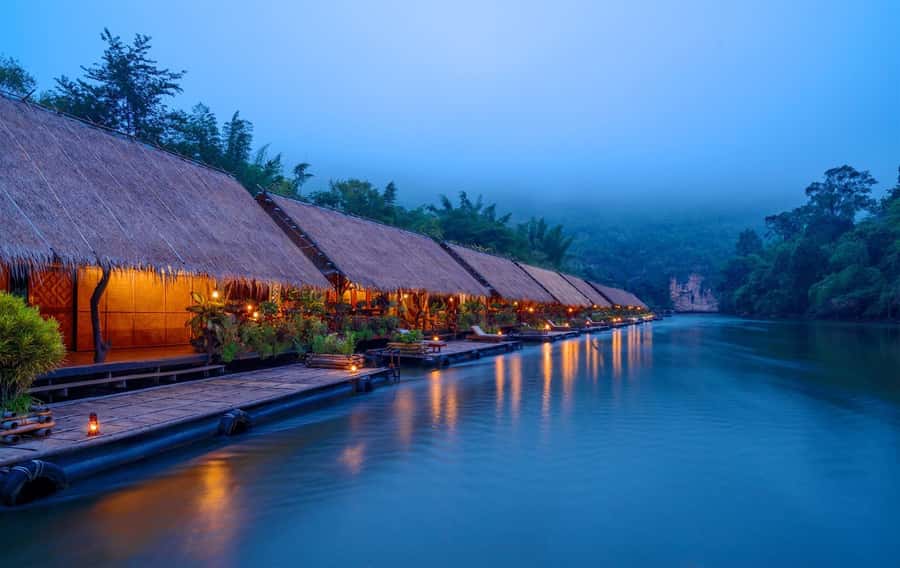
The hotel is the wow factor, and it is also the practical test of what kind of traveler you are. It is described as a romantic bamboo floating raft hotel, and the setting is exactly what you think it is: calm water views, a jungle backdrop, and that floating-atmosphere you only get when you are actually on the river.
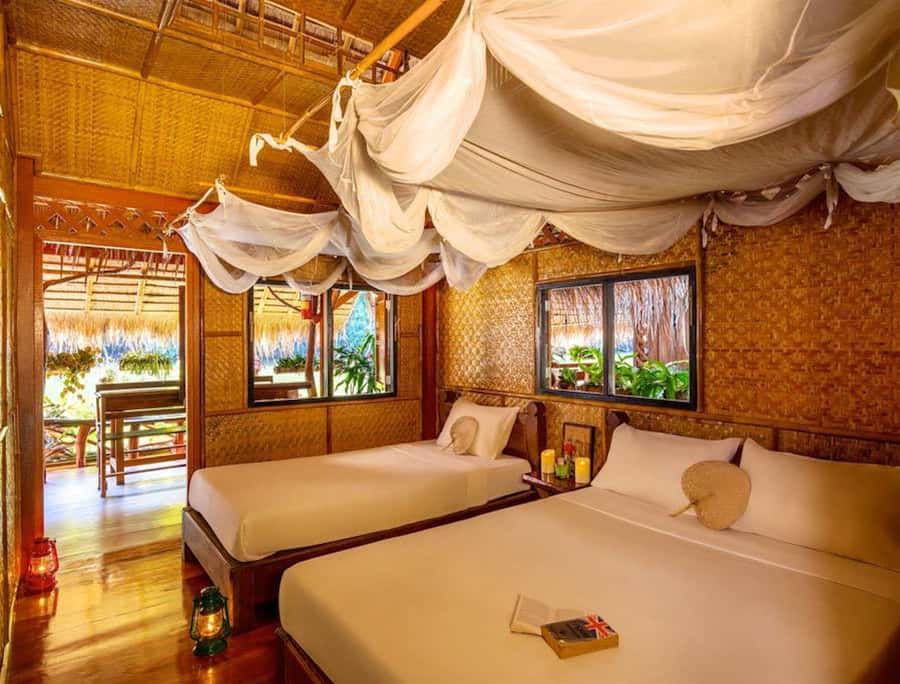
Expect basic twin-room accommodation. One review notes it can feel like upmarket camping, and another mentions oil lamps and a low-electricity style of living. Another person specifically flagged that they needed air-conditioning. So, I would treat this as a place to enjoy the setting first, and comfort second.
Here are the small tips that can make the raft stay easier:
- Bring a small flashlight if you rely on light for nighttime essentials. One guest said the provided lights did not do much.
- If you like water time, you can enjoy swimming from the raft setting, and this is one reason many people remember the night as more than just a bed.
- Food is included, and reviews describe it as good. Still, personal drinks or snacks are on you.
If you want a modern resort with predictable hotel service, this may feel too simple. If you want an authentic, sensory stay that feels like you are part of the region, you will likely love it.
Day 1 in Kanchanaburi: Museums, POW Cemetery, and the Bridge Over the River Kwai
Day 1 starts with pickup from central Bangkok and heads west to Kanchanaburi Province. You begin at the Thailand-Burma Railway Centre, an interactive museum and research facility focused on the history of the railway. This stop is important because it gives you context before you go to the outdoor memorials and the bridge itself.
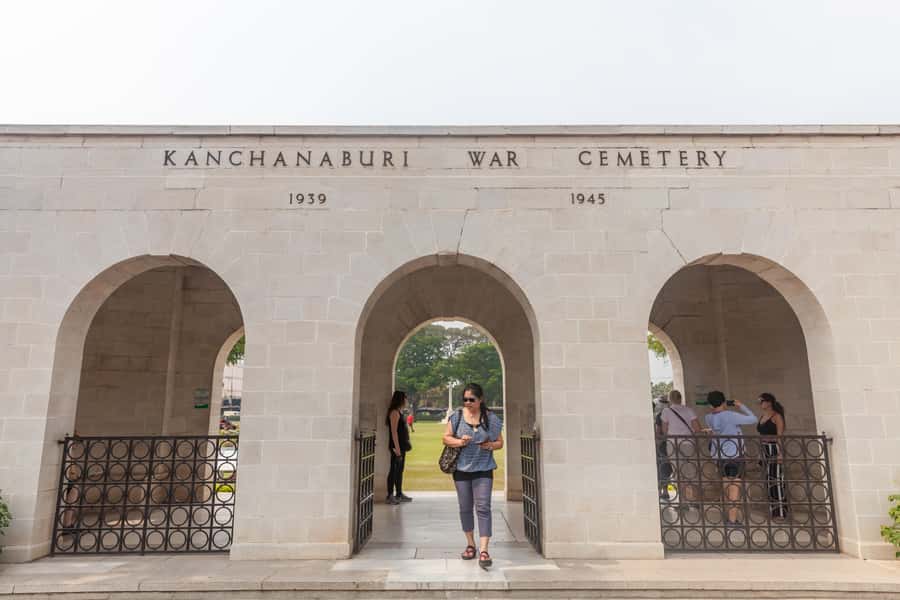
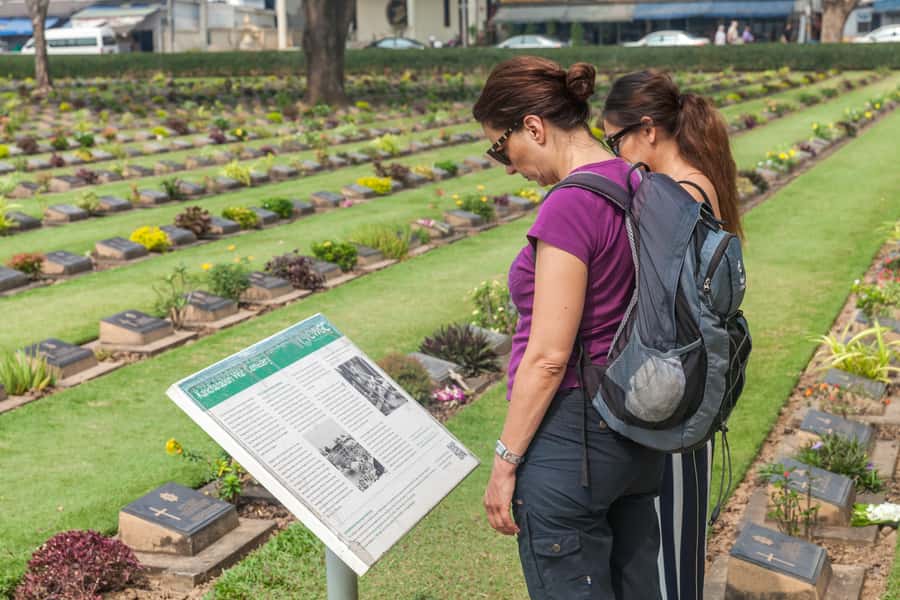
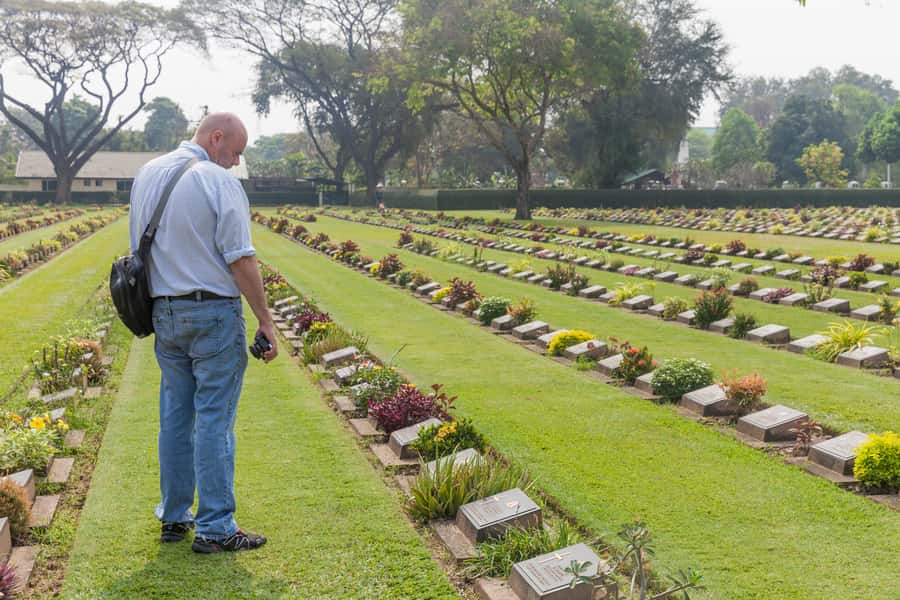
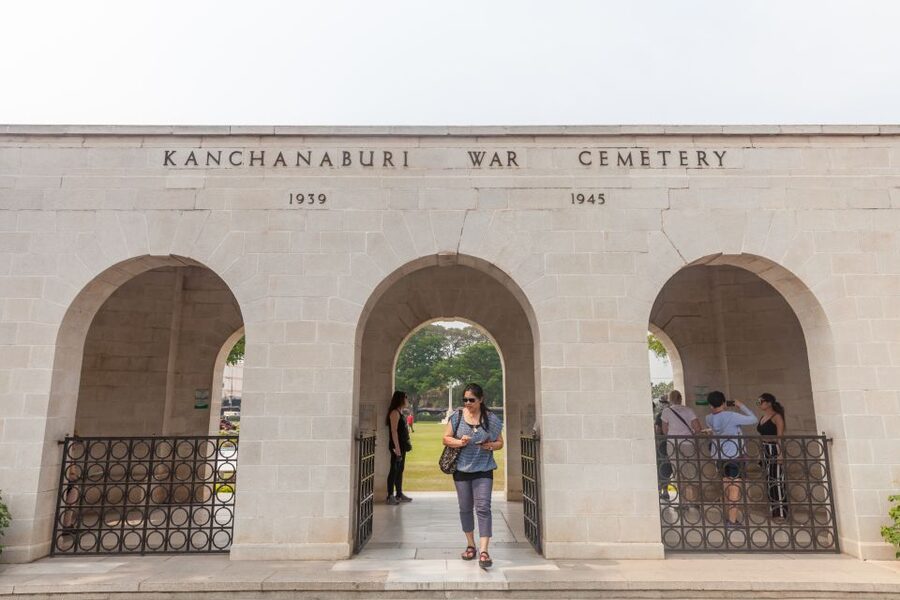
Next comes the Allied War Cemetery. This is where the tone turns serious fast. You are commemorating the allied prisoners of war who perished along the railway line and were moved to this eternal resting place after the war. Even if you already know the broad story, a cemetery visit changes your perspective.
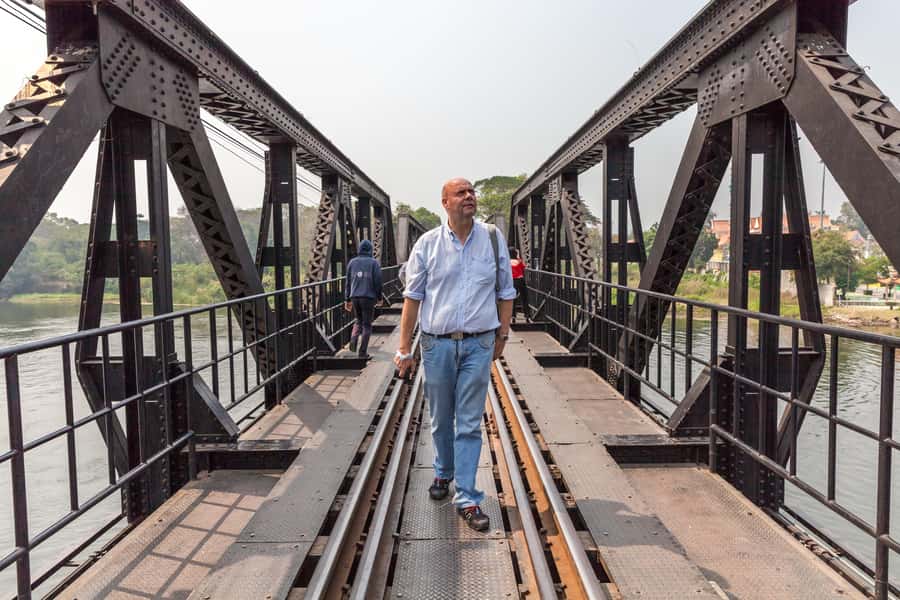
Then you reach the River Kwai Bridge, part of the Death Railway built by Allied POWs. The bridge is famous for a reason, but standing here with the background you gained in the museum makes it land differently. It is not just a photo stop. It is a physical reminder of how the railway shaped lives.
You also see how the day stays timed for movement. One guest noted the museum can feel short, which is a heads-up: if you are the type who wants to read every display, you might have to accept a faster pace and focus on the parts that matter most to you.
Plenty else to do around Bangkok
River Ride to the Rafts, Lunch Stops, and a Hellfire Pass Memorial Evening
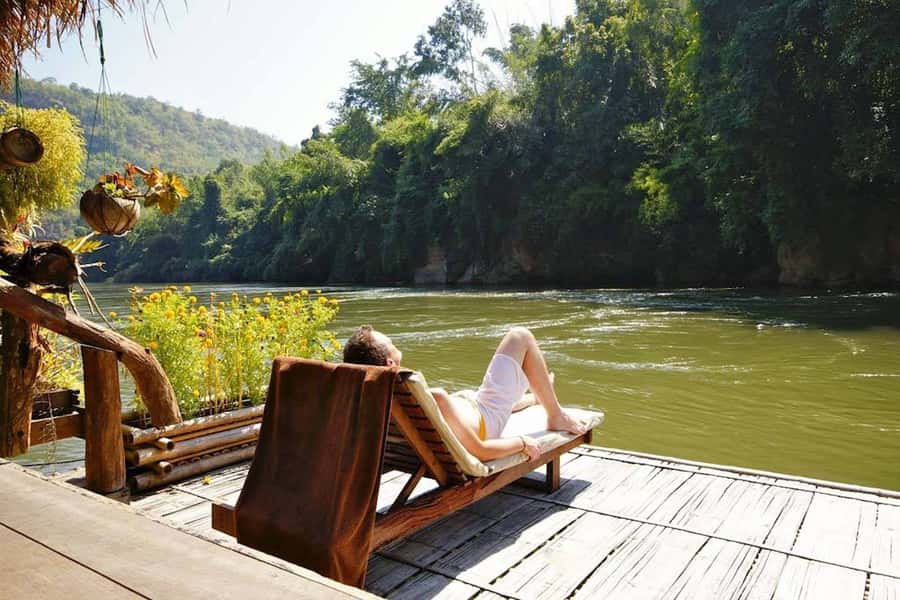
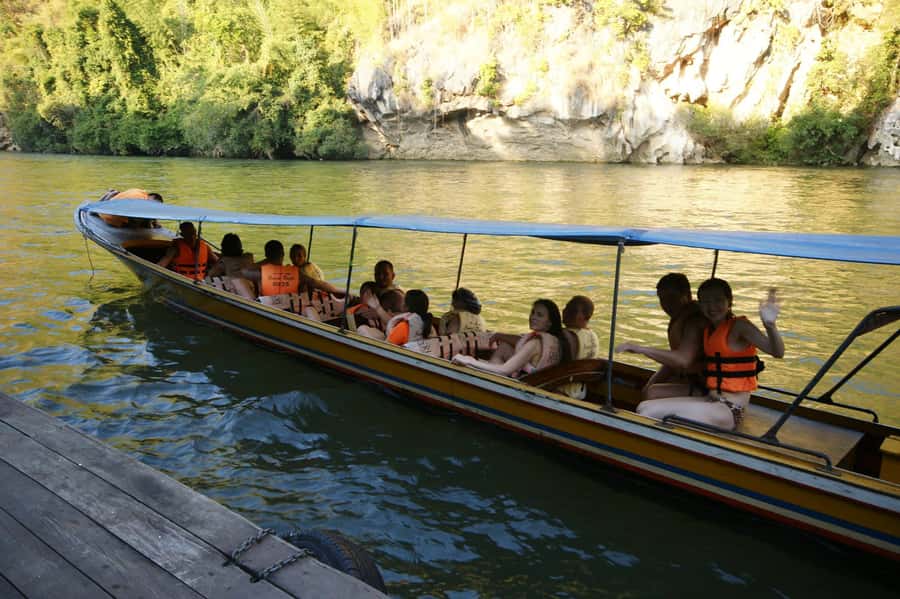
After the bridge, you take a long-tail boat along the River Kwai to reach the floating hotel for lunch. This portion is practical and scenic. It helps break up the heavier parts of the day and puts you on the river the right way, not just from a bridge viewpoint.
Then the schedule continues downstream to Phu Takian Pier, where you visit the Hellfire Pass Memorial. This stop is the kind of site that makes your brain slow down. The pass itself is known for cutting through the landscape, and the memorial is there so you understand what it meant for prisoners of war.
Two practical considerations:
- It can be hot. One review mentioned Hellfire Pass was very hot, so bring water and consider a cap or light layer even if you think you do not need it.
- If you want extra context while walking, use the on-site audio guide if it is available. One guest specifically recommended it because the walking explanation was not always clear for their group.
Dinner back at the raft hotel comes after the memorial visit, and then you transition into the cultural evening.
The 45-Minute Mon Dance Presentation: Culture With a Human Focus
Even if you come for WW2 sites, do not skip the evening Mon dance. The plan includes a 45-minute traditional Mon Dance presentation at the floating hotel.
What makes this memorable is how it is framed: as Mon culture and Mon people, not as a quick entertainment interlude. One guest praised the guide Pat for being passionate about Mon culture and people, and that same guide energy seems to be what makes the evening feel grounded rather than staged.
You can also tell when a community-based cultural moment is handled with respect. Reviews noted there was no hard sell around shops or extras, which matters because some tours try to turn the day into a shopping run. Here, the cultural evening keeps the focus on performance and tradition.
If you are sensitive to intense historical content, the Mon dance is a softer landing. It also gives your trip a rounded feel, so you do not leave only with heaviness. You leave with people, music, and tradition too.
Day 2 Starts in a Mon Tribal Village, Then Moves Into the Death Railway Train
Day 2 opens with a visit to a Mon tribal village. You learn about local traditions and customs, and then you trek through the jungle. This is not a quick drive-by cultural photo stop. A trek is mentioned, and that changes how you experience the area. You feel the environment instead of just seeing it.
Lunch follows at a local restaurant. Then you head for the historic train segment along the Death Railway. This is the part many history lovers prioritize, and it is also the most unique way to experience the railway story.
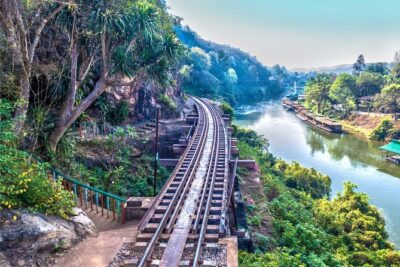
The train ride passes over an original wooden viaduct constructed by Allied prisoners of war. You are not just reading about structures. You are traveling through the corridor where those structures once served the rail line.
Two practical notes for how it feels:
- Some guests found the train ride less interesting, especially for photography, because old timber trestles might not be easy to capture from the carriage position.
- If you want more comfort on the ride, there may be an upgrade option. One review suggested paying an extra 150 Thai baht per person for a first-class carriage, which included more space to move, a certificate, and drinks, compared with the general carriage.
Timing, Heat, and the Reality of a Long Day From Bangkok
The whole trip is two days with a lot packed in. It is designed that way, and it works if you accept the pace. You have early movement, museum time, boat rides, walking at memorials, a jungle trek, then you still end the trip with transfers back to your Bangkok hotel in the evening.
The schedule may vary depending on traffic conditions. That sounds like a generic note, but in practice it affects how long you get at sites. One guest felt time at museums and memorials could feel rushed.
So, my advice is to decide what you care about most before you go. If Hellfire Pass is your top priority, mentally commit to it as the main event on Day 1. If you love the railway story, focus on the Death Railway museum and the train ride on Day 2. Trying to treat every stop as equal can make you feel shortchanged.
Also, plan for heat on the memorial walk. Bring water, wear something breathable, and expect that you might want a break even if you are not the kind of person who usually gets uncomfortable.
Price and Value: What $241 Buys You Here
At about $241 per person for two days, this is not the cheapest way to see Kanchanaburi. But the value is not just the sights. It is the amount of coordination you do not have to do.
You get:
- English-speaking guide support
- Admission fees to the attractions mentioned
- Roundtrip transportation from selected Bangkok areas to and from your downtown hotel
- Meals: lunch on both days, dinner on Day 1, and breakfast on Day 2
- One night accommodation at River Kwai Jungle Rafts on a twin-room basic basis
- Insurance
If you were to assemble these pieces yourself, the biggest costs are often not ticket prices. It is the time, driving, and the need for someone to manage transfers while you still have a coherent order of stops.
There is also the value of emotional context. The museum and cemetery combo sets up Hellfire Pass, then the bridge, then the train ride. That sequence turns separate attractions into one connected narrative.
Potential downsides in the value conversation:
- Lunch can be plain, according to one guest.
- The train experience may not match everyone’s expectations, especially for photos of wooden trestles.
- The raft hotel is basic, which some people interpret as charming and others interpret as not what they pictured.
Still, for the target traveler, the mix is hard to beat: history, river scenery, and Mon culture, with meals and logistics handled.
Who This Tour Fits Best, and Who Might Want a Different Style
This tour is best for you if you want:
- WW2 history tied to real locations, not just movies and summaries
- A guided experience where the sites connect into a story
- A memorable overnight on the river, even if it is simple
- Mon culture beyond a quick performance
It is also a great fit if you like organization. Multiple comments praised smooth planning and the guides driving the day in an efficient way.
You might reconsider if:
- You dislike walking in heat
- You want a fully modern hotel experience on night one
- You need wheelchair access, since it is not wheelchair accessible
- You are traveling with very young kids, because it is not suitable for children under 2
Should You Book the 2-Day River Kwai Trip?
If your heart is in the WW2 story and you also want a sleep experience that actually feels different, I think this is an easy yes. The combination of the Thailand-Burma Railway Centre, Allied War Cemetery, River Kwai Bridge, Hellfire Pass Memorial, and the Death Railway train ride is a focused route through places you cannot easily replicate with DIY day trips.
Book it especially if you want the raft hotel night to be part of the memory, not an afterthought. The Mon dance and Mon village trek add a human layer that keeps the trip from becoming only heavy.
My final advice: plan for heat, pack a small flashlight, and pick what you care about most in advance so the time feels satisfying, not rushed. Do that, and this becomes one of those trips you remember for the way it felt, not just what you saw.
FAQ
What meals are included on the 2-day trip?
Lunch is included on both days. Dinner is included on Day 1, and breakfast is included on Day 2. Extra meals and drinks or snacks are not included.
What are the main stops on Day 1?
Day 1 includes the Thailand-Burma Railway Centre, the Allied War Cemetery, the River Kwai Bridge, lunch at River Kwai Jungle Rafts after a long-tail boat ride, the Hellfire Pass Memorial, and a 45-minute Mon dance presentation at the floating hotel.
What happens on Day 2?
Day 2 includes a Mon tribal village visit and a jungle trek with lunch at a local restaurant, followed by a train ride along the Death Railway on the original track, including over original wooden viaducts.
What type of room do you get at the floating hotel?
You get one night accommodation at River Kwai Jungle Rafts on a twin-room basic basis. If you want a separate hotel room, you need a single supplement fee as an add-on.
Does the tour include an English-speaking guide?
Yes. The tour has an English-speaking guide.
Where do you meet if your Bangkok hotel is not in the pickup areas?
Pickup is available from several central Bangkok areas. If your hotel is not in those areas, you go to River City Bangkok at 23 Soi Charoen Krung 24 as the meeting point.
Is the tour wheelchair accessible?
No. This activity is not wheelchair accessible.
What travel documents do I need?
You should bring a passport or ID card.
Is free cancellation available?
Yes, you can cancel up to 5 days in advance for a full refund. Meals are non-refundable.
The newest additions around Bangkok
- Dream World & Snow Town in Bangkok with Return Transfer & Lunch
★ 4.5 · 3 reviews - Bangkok: Nong Nooch Garden
★ 5.0 · 3 reviews - Private tour to Ayutthaya and Lopburi Monkey Temple (from Bangkok)
★ 5.0 · 3 reviews - Guided Tour of Grand Palace & Emerald Buddha Temple in Bangkok
★ 5.0 · 3 reviews - Half Day DIY Grand Palace and Emerald Buddha Temple
★ 4.5 · 3 reviews - HD-01 Koh Rattanakosin old town cycling with The Giant Swing, and more
★ 5.0 · 3 reviews - Private Tour: The Best of Bangkok Temples – Half Day
★ 4.0 · 3 reviews - Glittering Ayutthaya Tour to Famous Sights, Market & Sunset Boat
★ 4.5 · 3 reviews
River Kwai & Kanchanaburi Tours, compared.

Erawan Waterfalls and Bridge Over River Kwai Tour from Bangkok
Read our review →
Bridge on the River Kwai and Thailand-Burma Railway Guided Tour
Read our review →
Erawan Waterfall and Elephant Care: Private Tour to Kanchanabur
Read our review →Browse the lists this tour appears in