
Reviewed · BANGKOK THAI COOKING CLASSES
Backstreet Bangkok Exploring the Cradle of Thai Cooking
Thai cooking has roots you can actually see. This 5-hour Backstreet Bangkok walk traces the city’s food origins through temples, markets, and street-level tastings led by a licensed guide. You start in the Wang Burapha area and move through nearby history-heavy zones, so every bite comes with context.
I love the way the tour connects food to place, from a 15th-century temple stop to Rattanakosin landmarks like Wat Phra Kaew and Wat Pho. I also like that the experience is built around eating, not just looking, with dinner, snacks, bottled water, and alcoholic beverages included along the route.
One consideration: you’re doing this as a walking tour, and private transportation isn’t included, so your best bet is arriving by transit and being ready for a full half-day of exploring.
In This Review
- Key highlights
- Backstreet Bangkok in 5 hours: how the food story stays real
- Meeting at Sam Yot MRT: keeping logistics simple
- Wat Ratchaburana: the 15th-century anchor of the day
- Rattanakosin Island landmarks: where the big city story overlaps cooking
- Yaowarat proximity: street food energy near the old core
- Phahurat Market, Little India: flavors and shopping you can connect to Thai tastes
- Sampeng Market Chinatown alleys: practical shopping culture with food in the background
- What you eat and drink: dinner, snacks, and the way the guide paces tastings
- Guided by Anna and Lek: why the explanation part feels worth it
- Price and value: is $125 a fair deal in Bangkok?
- Who should book this walk, and who might want a different style
- Should you book Backstreet Bangkok: Exploring the Cradle of Thai Cooking?
- FAQ
- How long is the tour?
- Where does the tour start, and what time does it begin?
- How much does it cost?
- What’s included in the price?
- Is private transportation included?
- How large is the group?
- Do I get a mobile ticket?
- What is the cancellation policy?
Key highlights
- Small group size (max 7), which keeps the pace friendly and the guide interaction personal
- Dinner plus snacks and drinks included, so you don’t have to budget extra meals mid-walk
- Temple-and-market routing, including Wat Ratchaburana and Rattanakosin-area landmarks
- Phahurat Market (Little India), where Indian food culture shows up in Thailand’s flavor story
- Chinatown alley energy at Sampeng Market, with a mix of everyday shopping and street culture
- Guides like Anna and Lek stand out in past trips for enthusiasm and clear explanations
Still ordering off a menu?
Backstreet Bangkok in 5 hours: how the food story stays real
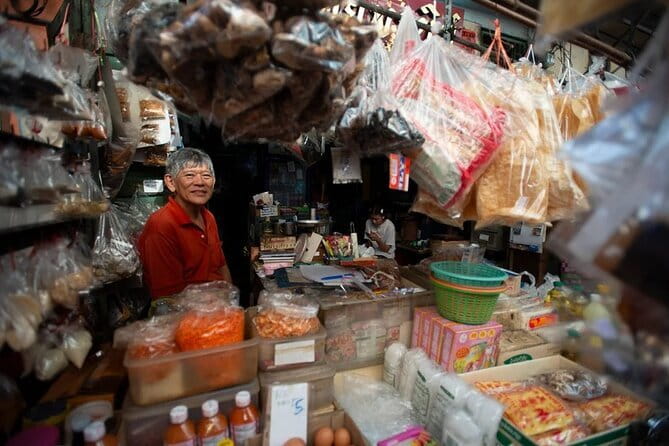
If Bangkok food feels instantly familiar, that’s because Thailand’s cooking has been influenced by trade, migration, and religion for centuries. This tour leans into that reality by pairing eating stops with landmarks that explain why certain foods, ingredients, and eating habits took hold where they did.
The pacing is built around a simple idea: food history is not just something you read. It’s something you taste while you walk through the neighborhoods that shaped it. You go from historic temple surroundings into market lanes, then back into the city’s modern food world, including busy areas close by.
Meeting at Sam Yot MRT: keeping logistics simple
You’ll meet at Sam Yot MRT station, Exit 3111 (near Thanon Unakan, Wang Burapha area). The tour starts at 9:00 am and ends back at the meeting point, which is helpful when you want the rest of your day to feel low-stress.
Since there’s no private transportation included, you’ll want to plan your own way to Sam Yot. The good news is that the tour is described as near public transportation, so you’re not stuck hiring a car just to start.
Also, you’ll get a mobile ticket, which is convenient in Bangkok’s app-and-QR world.
Wat Ratchaburana: the 15th-century anchor of the day
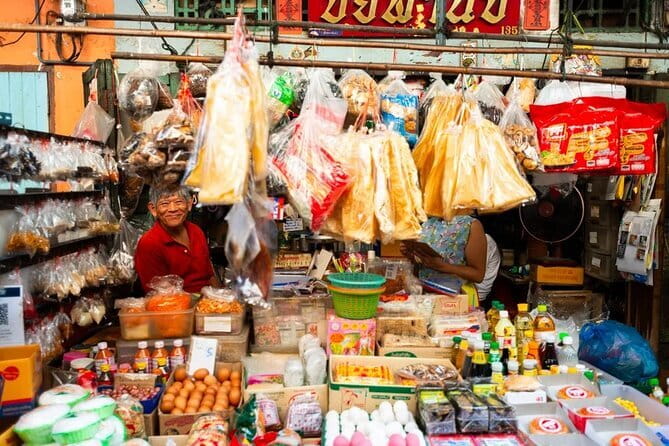
Your first major stop is Wat Ratchaburana Ratchaworawihan, an ancient temple built in the 15th century. You also get a sense of place because it’s described as being near Wang Burapha.
This isn’t a stop where you rush in and out. The value here is the mood shift. Before you touch markets, you see a historical and architectural anchor, which helps the rest of the day feel like a coherent story. Thailand’s food isn’t separate from culture, and temples are a big part of that cultural map.
The stop includes free admission, so it’s also a practical add-on. You get meaningful sightseeing without feeling like you’re paying extra to make the day “worth it.”
A small note on timing: your tour is listed as an afternoon-into-evening style experience in the temple description, but your start time is 9:00 am. In practice, think of this as a morning start that leads you into meal time, with later stops naturally aligning with tastings and dinner.
Keep scrolling, there's usually one more worth booking.
Rattanakosin Island landmarks: where the big city story overlaps cooking
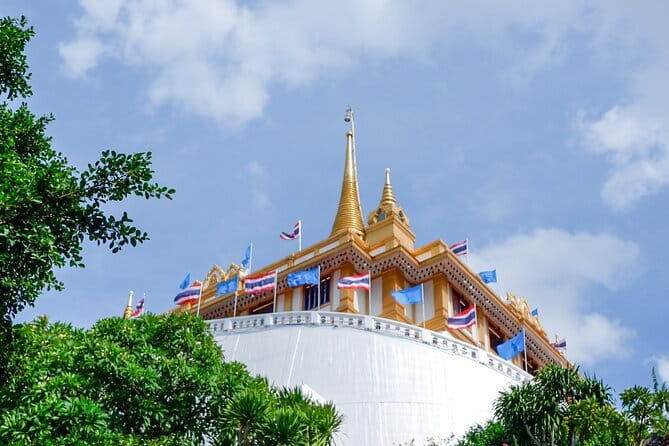
Next comes Rattanakosin Island, the historic core of Bangkok where major landmarks cluster. The tour specifically calls out the Grand Palace area through Wat Phra Kaew (Temple of the Emerald Buddha) and Wat Pho.
Even if you’ve seen photos of these sites, the tour format gives them a different job. Instead of sightseeing as a checklist, you use these landmarks as a bridge to understand how power, religion, and daily life influenced what people ate and how food moved through the city.
Admission is listed as free for this stop, which matters because it lets you spend your money where it counts: on the food portion. Plus, having temple stops close to market stops is a smart way to reduce travel time and keep the afternoon from turning into commuter chaos.
If you like walking tours that teach you something you can actually use later (like how to read a neighborhood’s food culture), this part helps set that foundation.
Yaowarat proximity: street food energy near the old core
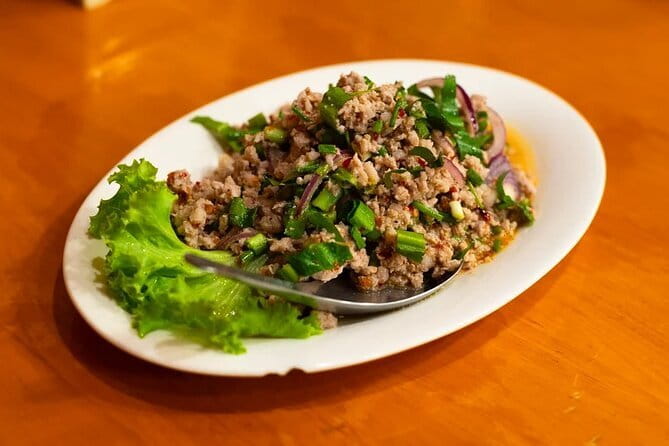
The route also references Yaowarat, close to Wang Burapha. Even though it’s described in the tour summary as near-by rather than a separately timed major stop, it’s a useful detail for how the day feels.
Yaowarat is one of Bangkok’s most famous food and street-culture zones, and the fact that this tour keeps it close means you’re not only eating in one “style” of Bangkok. You’re sampling the city’s everyday food world while still grounded in history.
This is where you’ll start noticing how markets and food stalls shape what people buy and why. You don’t need to be a food scholar. You just need a good guide to point out what you’re seeing and eating.
Phahurat Market, Little India: flavors and shopping you can connect to Thai tastes
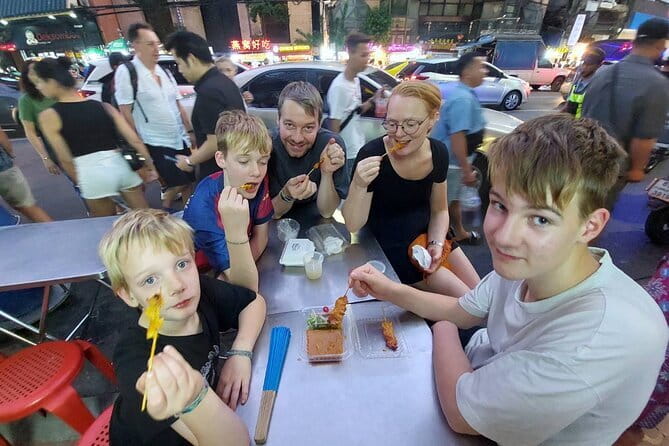
Then you head to Phahurat Market, often called Little India. This stop is your chance to see another major influence on Thailand’s food world, not just Thai-only ingredients and cooking habits.
Phahurat is described as a place to experience Indian culture and to shop for things like textiles, jewelry, and food. The value for you as a foodie is that Indian food culture in Bangkok helps explain why certain spices, textures, and flavors feel at home in Thai cooking.
This is also one of the best stops for people who like the “why” behind flavors. When you taste along the route, you’re more likely to remember what you tried because you know what neighborhood and cultural influence you were standing in.
Admission is listed as free, and the stop time is about 1 hour, which makes it feel like a focused walk rather than a slow wander.
Sampeng Market Chinatown alleys: practical shopping culture with food in the background
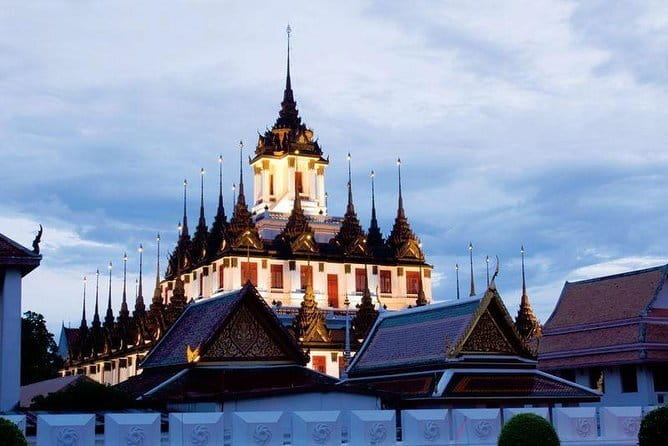
Sampeng Market is a narrow alley area connected to Chinatown shopping culture. The tour description frames it as an eclectic mix of goods, from textiles to electronics, with deep historical significance.
The main thing I like about putting Sampeng into a food tour is that it gives you a broader view of how food fits into daily commerce. People shop here for plenty of non-food items, but the area’s rhythm still supports street-level eating and quick bites.
This stop is listed as 30 minutes with free admission. That short time window is on purpose. You get the flavor of the neighborhood without turning the day into a shopping marathon.
One potential drawback to consider is that Chinatown alleyways can feel tight and busy. If you don’t love crowded lanes, just slow down, keep moving with the group, and treat Sampeng as a quick, sensory stop rather than a place to linger for browsing.
What you eat and drink: dinner, snacks, and the way the guide paces tastings
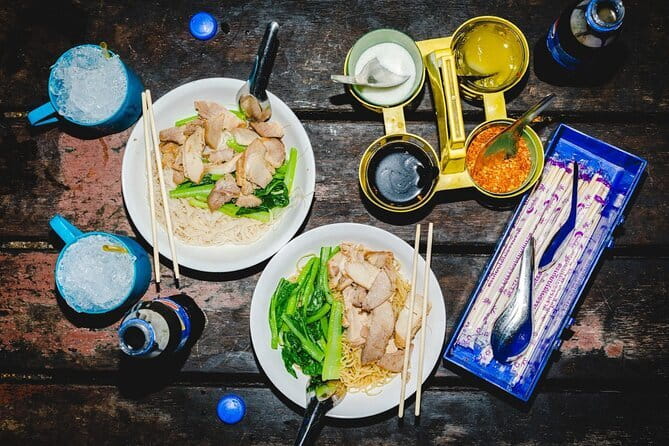
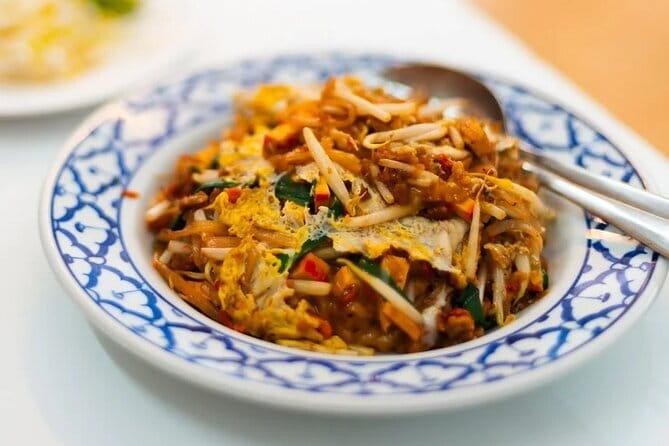
This tour is priced like a guided food experience because it is one. You get dinner, plus snacks, bottled water, and alcoholic beverages are included.
That “included” part matters for value. Bangkok street food can be inexpensive if you’re paying yourself, but the tour adds structure and selection. You’re not just walking past stalls and guessing what’s best. You’re tasting along a path chosen to make sense, with a guide who steers you toward the right items at the right time.
Because alcoholic beverages are part of the plan, you’ll want to treat the day like a relaxed food outing, not a “see everything and don’t get too full” mission. If you’re trying to stay sober, you can still enjoy the route, but do note that the tour includes drinks.
Also, the group size is up to 7 people, which helps your guide manage pacing. You’re less likely to get stuck waiting at every stop, and you’re more likely to ask small questions without feeling rushed.
Guided by Anna and Lek: why the explanation part feels worth it
In the reviews tied to this tour, guides like Anna and Lek get repeated praise for enthusiasm and generosity. What I take from that is simple: great eating tours don’t just serve food, they teach you how to understand it.
For you, that means you’ll likely get better at tasting in real time. Instead of just thinking, This is good, you’ll have a clearer sense of what makes each dish distinct, how it’s made, and how it fits the neighborhood you’re in.
One review also mentions a scenario where the group ended up private, which can be a nice bonus if you get lucky. Small-group tours can sometimes turn into a more personal experience, and when that happens, it’s easier for the guide to adjust pacing to your comfort level.
If you enjoy food tours because of the stories and the guidance, not just because of free bites, this is the right kind of setup.
Price and value: is $125 a fair deal in Bangkok?
At $125 per person for about 5 hours, this isn’t the cheapest way to eat in Bangkok. But it is a good value if you price it the way you’d price the day you’d otherwise create yourself.
Here’s the value logic I see:
- Dinner plus snacks means your biggest meal is handled, not something you have to hunt for at the end of a tiring walk
- Alcoholic beverages and bottled water reduce the extra incidental costs that add up during a food day
- Temple and neighborhood stops also mean you’re paying for route planning and guided timing, not only food
And because the tour is limited to a maximum of 7 travelers, you’re getting a small-group format rather than a large, loud, follow-the-leader bus situation.
If you’re the type who likes to eat, but you also want someone to connect the dots between history, neighborhoods, and ingredients, the price tends to make sense. If you only want to taste a few samples and you’re comfortable exploring on your own, you might find cheaper options. But you would be giving up the structure and context.
Who should book this walk, and who might want a different style
This tour suits you if:
- You want more than a food crawl, with history and culture woven into where you walk
- You like visiting markets that are active in real daily life, like Phahurat and Chinatown-area lanes
- You enjoy small-group guidance, ideally with a guide who chats and explains
- You’re excited to try foods you might not choose on your own
It might be less ideal if:
- You hate walking or get easily overwhelmed by busy alleyways
- You’re traveling with someone who needs long sit-down breaks
- You prefer fully independent exploring with no scheduled stops
In other words, it’s best when you treat food as part of the trip, not just the fuel.
Should you book Backstreet Bangkok: Exploring the Cradle of Thai Cooking?
I’d recommend booking if you want a day that feels like Bangkok’s food culture with a backbone. The mix of temples, historic areas, Little India vibes at Phahurat, and Chinatown lanes at Sampeng creates a route that makes flavor feel tied to the city, not floating in space.
It’s also a smart choice for first-time visitors who already know Thai food exists, but want to understand how the city shaped it. And if you’ve been to Bangkok before, the temple-and-market pairing can still feel fresh because the guide’s explanations help you notice details you might miss wandering alone.
If you’re on the fence, pick this tour when your priority is guided eating with context, not just grabbing street snacks at random. If your priority is minimal structure and maximum browsing freedom, you may enjoy a self-guided food day more.
FAQ
How long is the tour?
The tour is listed as approximately 5 hours.
Where does the tour start, and what time does it begin?
It starts at Sam Yot MRT station (Exit 3111) and the start time is 9:00 am. The tour ends back at the meeting point.
How much does it cost?
The price is $125.00 per person.
What’s included in the price?
Included are a licensed guide, alcoholic beverages, bottled water, dinner, and snacks.
Is private transportation included?
No, private transportation is not included.
How large is the group?
The tour has a maximum of 7 travelers.
Do I get a mobile ticket?
Yes, the tour offers mobile ticket access.
What is the cancellation policy?
You can cancel for a full refund up to 24 hours in advance of the experience start time. If you cancel less than 24 hours before, the amount paid is not refunded.
The newest additions around Bangkok
- Dream World & Snow Town in Bangkok with Return Transfer & Lunch
★ 4.5 · 3 reviews - Bangkok: Nong Nooch Garden
★ 5.0 · 3 reviews - Private tour to Ayutthaya and Lopburi Monkey Temple (from Bangkok)
★ 5.0 · 3 reviews - Guided Tour of Grand Palace & Emerald Buddha Temple in Bangkok
★ 5.0 · 3 reviews - Half Day DIY Grand Palace and Emerald Buddha Temple
★ 4.5 · 3 reviews - HD-01 Koh Rattanakosin old town cycling with The Giant Swing, and more
★ 5.0 · 3 reviews - Private Tour: The Best of Bangkok Temples – Half Day
★ 4.0 · 3 reviews - Glittering Ayutthaya Tour to Famous Sights, Market & Sunset Boat
★ 4.5 · 3 reviews
Bangkok Thai Cooking Classes, compared.
Tingly Thai Cooking School Half-Day Cooking Class
Read our review →
Tingly Thai Cooking Class with Morning Market Tour
Read our review →
Hands-on Thai Cooking Class & Market Tour in Sukhumvit
Read our review →
Pink Chili – Thai Cooking Class and Market Tour in Bangkok
Read our review →
Authentic Thai Cooking with the Largest market visit &TukTuk ride
Read our review →Browse the lists this tour appears in