
Reviewed · 4-DAY EXPERIENCES
Angkor Wat 4-Day Tour from Bangkok
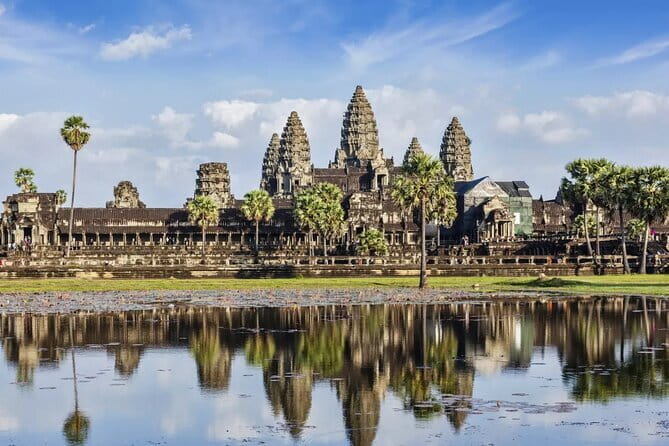
Angkor Wat at sunrise feels like a magic trick. This 4-day private trip connects Bangkok to Siem Reap overland, then strings together the big Angkor highlights with early morning temple time and a Tonle Sap boat experience.
I like that the tour handles the heavy logistics for you, including hotel pickup in Bangkok, the cross-border transfer, and guide support on the main temple day and on the lake day. I also like the pacing choice: you get a very early start for Angkor Wat, then a classic temple circuit, and later a real change of scenery with floating villages and lake life. The one drawback to consider is that the journey is long and mornings are early, especially the 04:50 AM sunrise start.
In This Review
- Key things worth knowing before you go
- Bangkok to Siem Reap by road: what the 8-hour push really means
- Poipet border crossing: the steps you do, and what you should watch for
- Where your hotel fits in: 3 to 5 star comfort without overthinking it
- Angkor Wat sunrise at 04:50 AM: how to enjoy it without hurrying
- The big Angkor circuit: Angkor Thom, Bayon, terraces, and Ta Prohm
- Angkor Thom and the South Gate
- Bayon: the smiling faces stop
- Baphuon, Phimeanakas, and the royal-palace zone
- Terrace of the Elephants and Terrace of the Leper King
- Ta Nei: the quieter, more adventurous feel
- Ta Prohm: tree roots, photo fun, and Tomb Raider trivia
- Breakfast, tickets, and why the plan is easier than it looks
- Rolous Market and Kampong Phluk: the Tonle Sap change of pace
- Tonle Sap Lake by boat: seasonal reality you can feel
- Phare Circus night: Khmer performance meets modern circus skills
- Day 4 airport finish: a relaxed end after temple fatigue
- Price and value: is $459 a fair deal?
- Service quality: the big advantage is feeling guided all day
- Who should book this tour, and who should skip it
- Should you book the Angkor Wat 4-day tour from Bangkok?
- FAQ
- How long does it take to get from Bangkok to Siem Reap?
- Do I handle immigration myself at Poipet?
- What time do you start for Angkor Wat sunrise?
- Which temples are included during the Angkor sightseeing day?
- Are tickets included for Angkor Wat and the circus?
- How do you reach Kampong Phluk floating village?
- Is there a boat trip on Tonle Sap Lake?
- What meals are included?
- Do I need to pay a Cambodia visa fee?
- What is the cancellation policy?
Key things worth knowing before you go
- Private, only-your-group setup with an English-speaking guide on the main days (Day 2 and Day 3)
- 04:50 AM Angkor Wat sunrise plus a full walk through major Angkor structures
- Angkor Thom circuit with stops like Bayon, Baphuon, terraces, Ta Nei, and Ta Prohm
- Kampong Phluk + Tonle Sap Lake by boat, with seasonal differences in how you reach the village
- Phare Circus (section B) in the evening, mixing Khmer performance with modern circus acts
- Border support at Poipet, plus staff help to get you to the right immigration steps
Bangkok doesn't stop at one stop, so here's what else is close by.
Bangkok to Siem Reap by road: what the 8-hour push really means
The first day starts with pick up from your Bangkok hotel at 7:00 AM. Then you roll toward Cambodia, with the border process taking about 4 to 5 hours, depending on timing. The whole door-to-door ride is listed at around 8 hours total including border crossing, but it can stretch on weekends or public holidays.
What I like about this format is that it turns an otherwise stressful transition into something smoother. You meet staff at Poipet who help you get to the Thai immigration entrance, then you handle immigration on your own for both sides. After that, you connect with another driver on the Cambodia side, so you are not stuck trying to figure out the “who do I talk to now” moments while you are tired.
A small practical consideration: overland travel does not forgive late mornings or slow packing. Bring water, sunscreen, and something quiet to do on the drive, because you will be operating on travel time more than sightseeing time on Day 1.
Poipet border crossing: the steps you do, and what you should watch for
At Poipet, there is a meeting point where staff take you to the Thai immigration entrance. Then you go through immigration yourself for both countries. Only after that do you meet your Cambodia-side driver using your name tag.
This is one of those travel details that matters more than people think. If you are the type who likes to know exactly how things will play out, you are in good shape here because the process is broken into clear handoffs. You just need to stay alert and move with the group when the instructions come.
Then you continue about 152 km to Siem Reap through small villages and countryside. It is a long road day, but it gives you an immediate sense that you are leaving Thailand behind and entering a different rhythm.
Once you check in, you have options for the evening: Pup Street if you still have energy, or a buffet dinner with a traditional show for an additional charge. This is a nice “choose your vibe” moment, because after border time you do not want every plan to be mandatory.
Where your hotel fits in: 3 to 5 star comfort without overthinking it
The stay is built around superior 3, 4, or 5-star accommodations, with a choice for your trip style. Rooms are based on double, twin, or triple shared arrangements.
Why this matters: Angkor days are physically demanding. Even when the plan is packed with famous sights, you still want a comfortable place to cool down, shower, and reset. The tour keeps the hotel part simple, and it puts the effort into giving you guided temple time when it counts.
Keep scrolling, there's usually one more worth booking.



Angkor Wat sunrise at 04:50 AM: how to enjoy it without hurrying
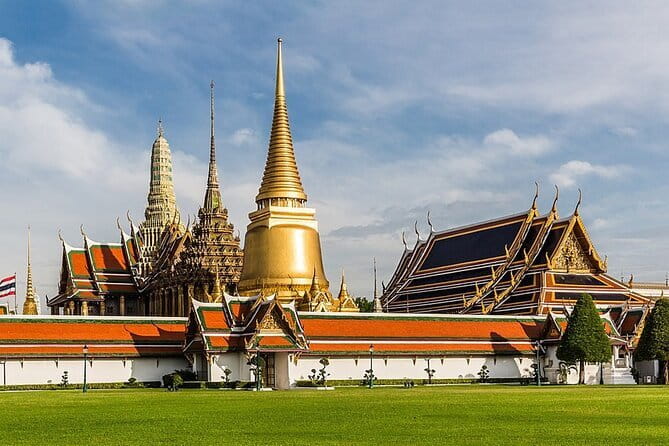
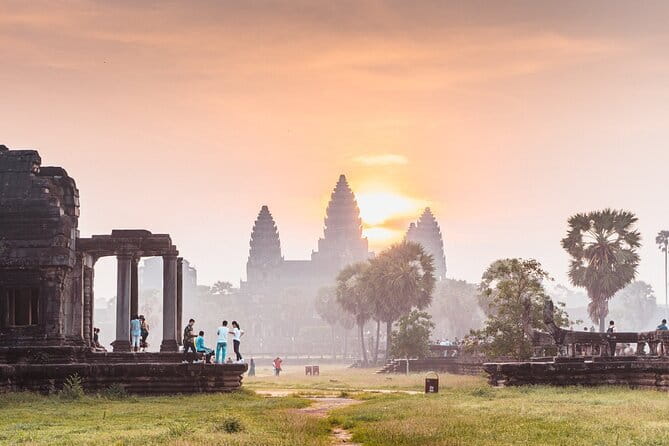
The most dramatic moment in this whole trip starts extremely early. You leave at 04:50 AM to catch the sunrise at Angkor Wat. The idea is simple: show up before the heat, before the crowds build, and before your legs turn into complaining machines.
After sunrise, you explore the Angkor Wat complex. Then you head back to the hotel for breakfast before continuing into the larger Angkor city area.
Here’s the practical trick: sunrise ruins your sleep schedule, but breakfast later helps you recover fast. You also get the benefit of cooler walking in the morning when temple stone holds heat.
Angkor Wat itself is the headline, but what you should pay attention to is the way the complex is laid out. Morning light changes the look of the carvings and causeways. You can also get better photos because you are not fighting midday glare.
The big Angkor circuit: Angkor Thom, Bayon, terraces, and Ta Prohm
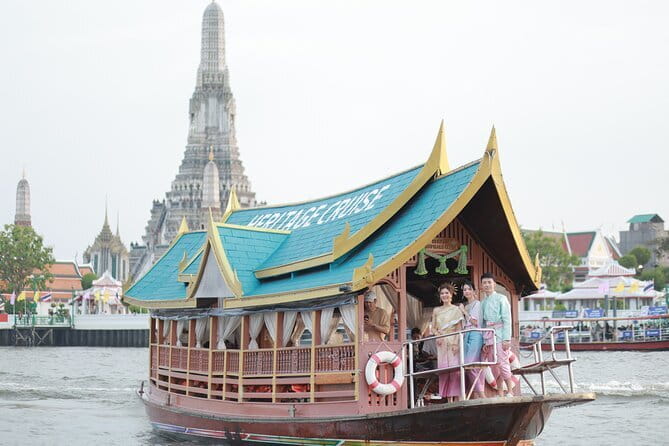
After sunrise day, Day 2 becomes your “this is why Angkor matters” day. You move through the core of the Khmer Empire’s capital area, including Angkor Thom and many of the most recognized temples.
Angkor Thom and the South Gate
Angkor Thom is described as the Khmer Empire’s capital city, built in the 12th century under Jayavarman VII. It is surrounded by walls with five major gates, each side measuring about 3 km. You start with the South Gate, which is one of the main entrances and considered especially well preserved.
This is a smart entry point because you get oriented fast. Also, you are stepping into the kind of urban planning that feels almost modern: gates, axes, walls, and controlled movement. It helps the whole day feel less random.
Bayon: the smiling faces stop
Bayon is one of the best-known stops, with more than 200 large carved faces across 54 towers. The layout and scale make it feel like the temple is watching you. The carved faces are associated with Avalokitesvara, and the whole design ties back to royal authority and sacred symbolism.
Practical tip: Bayon is crowded at times, so stay calm and keep your time flexible. The best photos usually come from waiting a few minutes, not forcing the angle.
Baphuon, Phimeanakas, and the royal-palace zone
Baphuon is noted for its unusual five-level form, with sandstone galleries and a central tower. Near it, Phimeanakas sits within the Royal Palace area and includes the story of a golden pinnacle described by Zhou Daguan as the Tower of Gold.
These stops are less about one single photo and more about understanding how the Angkor world functioned. You start to see how temples relate to power, ritual, and where elite life sat inside the city boundaries.
Terrace of the Elephants and Terrace of the Leper King
The Terraces give you relief work and grandeur in a way that feels different from towers and gateways. The Terrace of the Elephants is described with an idea of princes and servants riding while moving quietly and smoothly. The Terrace of the Leper King is famous for dramatic bas-reliefs, including notes about an inner and outer wall discovered during clearing, plus a recent false corridor that lets visitors inspect relief work.
If you like carvings, this is the day’s reward. If you do not, these stops still work because they provide variety. After walking lots of towers, it’s good to shift your brain toward detail and storytelling in stone.
Ta Nei: the quieter, more adventurous feel
Ta Nei sits deep in the jungle area, around 200 meters west of the East Baray. It is noted as hard to find and less popular, which is exactly why it can feel rewarding.
This is one of the best “break from crowds” moments in the day. You get the same Angkor craftsmanship, but with fewer people rushing past.
Ta Prohm: tree roots, photo fun, and Tomb Raider trivia
Ta Prohm is the temple of the trees. Dense jungle, fig, banyan, and kapok roots spread across structures and stone walls. The key point is that it has been left largely in its natural state, with only paths cleared and structural strengthening done.
Also, it is known as a filming backdrop for Tomb Raider, with Angelina Jolie shooting there. And yes, it is also a place where you might spot monkeys while you are trying to frame the perfect shot.
This stop is where the day becomes emotional for a lot of people. It feels less like a museum and more like you walked into a storybook set that still has living energy around it.
Breakfast, tickets, and why the plan is easier than it looks
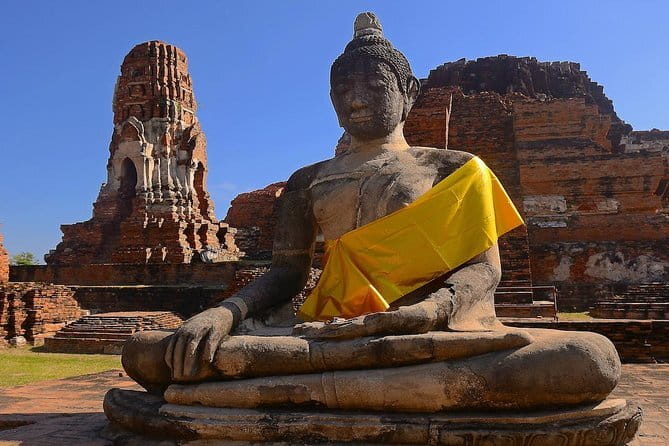
On Day 2, the Angkor Wat sunrise timing is paired with a breakfast return to reset you. The Angkor Wat ticket is included as a 1-day ticket, so you are not hunting down admissions information mid-trip.
The group is private, but you are still moving through a timed schedule. The tour structure matters because Angkor requires planning even if you love improvising. This one keeps the big decisions handled, so you can focus on walking and seeing.
On the practical side, transport is by private car, and you also get a mobile ticket. That reduces the “where is my paper ticket?” problem, especially when you are crossing borders.
Rolous Market and Kampong Phluk: the Tonle Sap change of pace
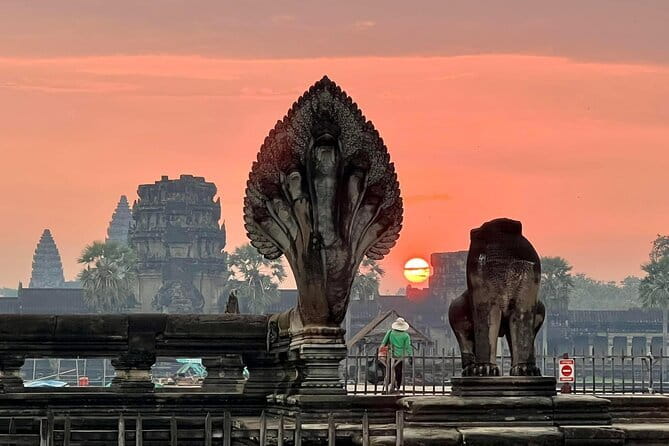
Day 3 is a welcome switch after temple days. The morning starts with breakfast at your hotel, then pick up in Siem Reap for visits related to Kampong Village and Tonle Sap Lake. There is a stop at Rolous Market on the way.
Rolous Market (Phsar Roluos) is a local market in a village setting. The payoff here is that you are not just living in the tourist zone. You get a glimpse of daily Cambodian life outside the main sightseeing lanes.
Then you head to Kampong Phluk floating village on Tonle Sap Lake. The method depends on season: during the dry season (February to August), the village can be reached by car or motorbike, but from September you hop in a traditional wooden boat.
At Kampong Phluk, you look at houses on stilts, a pagoda, and what villagers are doing. Then you move to the big Tonle Sap Lake by traditional boat.
This is one of the most valuable parts of the trip if you want something beyond temples. It also helps you understand Cambodia as a living place, not just a heritage site.
Tonle Sap Lake by boat: seasonal reality you can feel
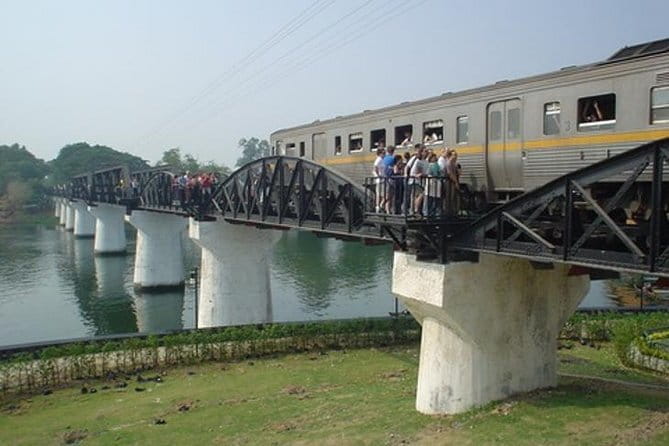
Tonle Sap Lake is described as the largest freshwater lake in Southeast Asia and one of the region’s most significant ecosystems. It is also a UNESCO-designated Biosphere Reserve.
The seasonal shift is the key story. During the dry season (November to May), it shrinks to about 2,700 square kilometers. During the wet season (June to October), it expands to about 16,000 square kilometers, with depths going from around 1 meter to over 9 meters.
Why this matters for your visit: the “floating village and open water” experience is different depending on timing. Even without exact predictions on your dates, you can expect the lake to feel alive and change its shape with the months.
The tour includes a private boat trip at Kampong Phluk Village and Tonle Sap Lake, which generally means you are not stuck in the slow and crowded rhythm of large-group logistics. You spend more time with the scenery and activities you came for.
Phare Circus night: Khmer performance meets modern circus skills
Evening on Day 3 is Phare, The Cambodian Circus (also called Phare). The show is described as a blend of traditional Cambodian music, dance, theater, plus modern circus arts like acrobatics, juggling, and aerial acts.
The performances tell stories often inspired by Cambodian folklore, history, and contemporary social issues. The narratives are delivered through music, movement, and visual storytelling.
This is a great pairing with the rest of the trip. After days of ancient stone and carved faces, you get modern Cambodian creativity, performed in a way that still carries cultural roots.
Your Phare ticket is section B, and the tour handles transfer back to your hotel after the show.
Day 4 airport finish: a relaxed end after temple fatigue
Day 4 is the easy day. Breakfast at the hotel, then free time until a driver picks you up for the transfer to Siem Reap Angkor International Airport. The pickup is without a guide.
So it’s a clean finish if your flight is later in the day. Just don’t plan to cram extra sights on Day 4, because you will be depending on the driver pickup.
Airfare to your next destination is not included. If you want help booking flights, the tour can assist for an additional charge. You can also travel by bus from Siem Reap to Bangkok, or to Phnom Penh or Ho Chi Minh City, but that’s outside the included services.
Price and value: is $459 a fair deal?
At $459 per person, this trip is priced for comfort and convenience more than for pure budget travel. What you get for that money is significant: private transportation from Bangkok with border-side switching, English-speaking guidance on the two core sightseeing days, temple ticket coverage, a private boat component on Tonle Sap, and an evening ticket to Phare Circus.
You also get hotel support for multi-night stays with 3 to 5 star options. That matters because you are not just doing day trips. You are crossing countries, so the bundled approach is where the value lands.
Where the price may feel higher is if you are the type who likes to build everything independently. If you already know how to handle border steps smoothly, and you are comfortable organizing tickets, you could spend less by doing it yourself. But if you want your energy used for temples and lake scenes instead of chasing logistics, the package is the point.
A note on costs not included: lunch and dinner and drinks are on you, and Cambodia visa fees are not included (listed at $35). When you budget, build those in so you do not get surprised at the end.
Service quality: the big advantage is feeling guided all day
The best praise tied to this tour is about how much stress it removes. The setup includes arrangements for customs, transfers, and the hotel, and the guide is described as professional and close with careful attention.
One guide name mentioned is Sotin. That lines up with what you want for Angkor days: someone who keeps you moving, helps you understand what you are seeing, and does not treat the schedule like a suggestion.
Also, on Ta Prohm, the experience can become playful fast, since the setting can come with monkeys and a lot of photo energy. Having someone steady in the background helps you enjoy those moments instead of worrying about timing.
Who should book this tour, and who should skip it
This tour is a great fit if you want:
- A private group experience with less friction between Bangkok and Siem Reap
- The classic Angkor highlights, including sunrise at Angkor Wat
- A balance of ancient sites plus real Cambodia by boat on Tonle Sap
- An evening cultural performance with modern circus energy
It might not be ideal if:
- You hate very early mornings. 04:50 AM is a serious wake-up call.
- You dislike long overland travel days and possible border delays.
- You want total freedom to wander without a structured route.
Should you book the Angkor Wat 4-day tour from Bangkok?
If you value convenience and a guided “see the best, efficiently” plan, I’d say yes. This is the kind of trip that helps you spend your time on temples, carvings, lake scenery, and a memorable show, instead of figuring out logistics across a border.
I’d only hesitate if you are very sensitive to early starts or you know you prefer doing everything DIY. Otherwise, the mix of sunrise Angkor Wat, Angkor Thom circuit, Kampong Phluk by boat, and Phare Circus night is a strong combo for a first or second trip to this part of Cambodia.
FAQ
How long does it take to get from Bangkok to Siem Reap?
The drive is about 8 hours total, including border crossing. The border crossing itself takes about 4 to 5 hours.
Do I handle immigration myself at Poipet?
Yes. After you meet staff at the Poipet border to be taken to the Thai immigration entrance, you go through immigration on your own for both sides.
What time do you start for Angkor Wat sunrise?
You start at 04:50 AM to watch the sunrise at Angkor Wat.
Which temples are included during the Angkor sightseeing day?
Stops include Angkor Wat, Angkor Thom, Angkor Thom South Gate, Bayon Temple, Baphuon Temple, Phimeanakas, Terrace of the Elephants, Terrace of the Leper King, Ta Nei Temple, and Ta Prohm.
Are tickets included for Angkor Wat and the circus?
Yes. A 1-day Angkor Wat ticket is included, and the Phare Circus ticket is included (section B).
How do you reach Kampong Phluk floating village?
During the dry season (February to August), the village can be reached by car or motorbike. From September, you hop in a traditional wooden boat.
Is there a boat trip on Tonle Sap Lake?
Yes. The tour includes a private boat trip at Kampong Phluk Village and Tonle Sap Lake.
What meals are included?
Breakfast is included for 3 days. Lunch and dinner are not included.
Do I need to pay a Cambodia visa fee?
Yes. Cambodia visa fees are listed as $35 and are not included.
What is the cancellation policy?
You can cancel up to 6 days in advance for a full refund. The policy also allows 50% refund if you cancel 2 to 6 days before the experience starts, and no refund if you cancel less than 2 days before.
The newest additions around Bangkok
- Central Thailand Walking Tour and visit Temple at Bangkok
★ 5.0 · 1 review - Private 2-Day Bangkok City Tour and Ayutthaya Tour from Bangkok
★ 5.0 · 1 review - Train Market, Floating Market, and Salt Lake Tour by driver
★ 5.0 · 1 review - Fullday Private Tour Bangkok Temple & City Tour with lunch+Amazing Bangkok Tour
★ 5.0 · 1 review - Bangkok: One Day Thai Costume Rental (Gentleman)
★ 2.0 · 1 review - Laem Chabang Shore Excursion : Shopping, Massage & Food Tasting
★ 5.0 · 1 review - Bangkok Dream World & Snow Town Theme Park Admission Ticket
★ 3.0 · 1 review - Hidden canal , Bangkok twighlight & temple
★ 5.0 · 1 review
4-Day Experiences, compared.
Private 4 days : Bangkok, Floating market and Ayutthaya
Read our review →
Bangkok plus Ayutthaya and Khao Yai (Private 4 days)
Read our review →
Bangkok to Ayutthaya and Khao Yai National park (4 days)
Read our review →
4 Days Private Round Trip Bangkok Angkor Wat by Bus and Private Vehicle
Read our review →Browse the lists this tour appears in