
Reviewed · BANGKOK THAI COOKING CLASSES
4 Hours Silom Thai Cooking Class Including Visit to Local Market
A Thai market in the morning beats any checklist. This 4-hour Silom class pairs a guided ingredient shop with a hands-on kitchen run, so you understand what you cook and why it tastes the way it does. You’ll go from stalls and sauces to finished dishes on the same schedule, starting at 8:30 am.
I love the local market visit because it turns shopping into a cooking lesson. I also love that you get hands-on cooking that results in five dishes, not just one or two bites and a demo.
One consideration: the timing is tight, so this is best if you want a focused food morning, not a slow stroll through Bangkok.
In This Review
- Key points worth knowing before you go
- Silom start at 8:30 am, and how the 4 hours really feel
- The 8:40 am market visit: where Thai flavor starts
- At the school: coconut milk, sticky rice, and herb basics
- Session-by-session cooking: soup or stir-fry, salad, curry paste, dessert
- Session 1 at 10:00 am: soup or stir-fried dish
- Session 2 at 10:30 am: salad dish
- Session 3 at 11:00 am: curry, plus curry paste from scratch
- Session 4 at 11:30 am: dessert
- What you’ll take home: skills for eating and cooking in Bangkok
- Price and value for this 4-hour food-focused class
- Who should book this Silom class (and who might skip it)
- Should you book this Thai cooking class in Silom?
- FAQ
- Where does the class meet?
- What time does the experience start?
- How long is the cooking class?
- What does the experience include?
- Is this class in a small group?
- Do I need a printed ticket?
- How and when will I receive confirmation?
- Is the meeting point near public transportation?
- Can I cancel for a full refund?
Key points worth knowing before you go
- You start with a guided ingredient run at the local market, so herbs and proteins make sense when you use them later.
- Small group size (up to 12 people) means you can ask questions and actually cook, not just watch.
- You learn core Thai components like coconut milk and sticky rice, along with vegetables, rice, and herbs.
- You make curry paste from scratch, not just add pre-made paste.
- Your class includes four cooking sessions: soup or stir-fry, salad, curry, and dessert.
- It ends back at the same meeting point, which makes the plan simple on a busy Bangkok day.
Still ordering off a menu?
Silom start at 8:30 am, and how the 4 hours really feel
This is a compact half-day experience designed for people who want real results fast. You gather at 8:30 am at the meeting point on Decho Rd in the Silom area, then you’re moving pretty quickly into the food part.
The class is described as about 4 hours, and the schedule supports that: you’re out at the market early, then back to the school for structured teaching and multiple cooking sessions. The good news is the pace stays organized, with clear start times for each step, so you’re not left wondering what comes next.
If you book an afternoon or evening slot, the offering also mentions an herb mini-garden visit as part of the experience. That means some versions of the class connect the cooking to potted herbs you can see and smell up close, which is helpful if you want to recreate flavors later.
Two practical notes that matter for your comfort. First, you’ll likely be on your feet during the market stop, so plan for comfortable walking shoes. Second, this is a kitchen-focused morning, so if you want to squeeze in sightseeing right after, choose your route wisely.
The 8:40 am market visit: where Thai flavor starts
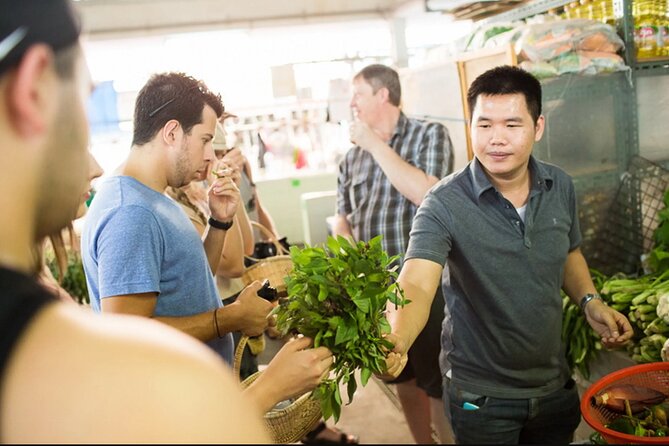
The heart of Thai cooking is ingredient choice, not just technique, and that’s why this class starts at the market. Shortly after you arrive, you head out to the local market at 8:40 am. The point is simple: you learn how Thai locals look for raw ingredients, then understand what you’re selecting and how those choices affect the final dish.
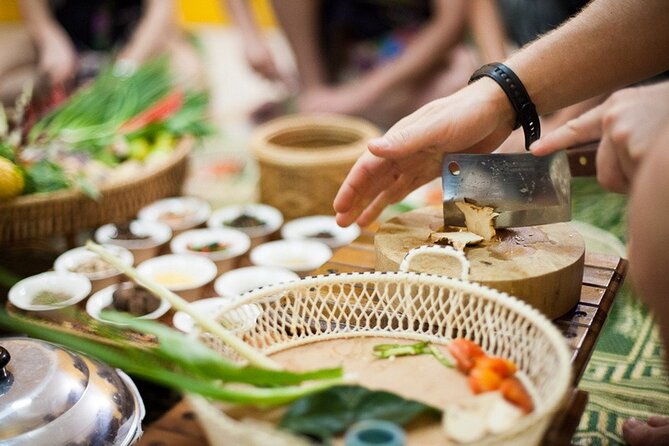
In practical terms, you’re looking at things you might normally skip past in a tourist market. That includes fresh herbs, vegetables, and staple items used in everyday cooking. When the market guide points out what to buy, you start connecting names to smells, textures, and flavor roles.
Here’s what I think you’ll appreciate most: this visit isn’t just scenery. It’s the setup for the kitchen lessons that follow. By the time you get back to the school, you’ll be able to say, oh, that’s why we picked this herb, and oh, that’s why this ingredient matters in the sauce or curry paste.
One small drawback of market-first classes is that you can feel rushed if you like to browse slowly. The fix is mindset: treat it like a guided lesson with time targets. Ask questions, take photos if allowed, and focus on ingredients that you’ll actually cook with later.
At the school: coconut milk, sticky rice, and herb basics
After the market, you return to the school and begin with an introduction that gives you a foundation. Starting around 9:15 am, the teaching covers vegetables, rice, and herbs, plus the basics of making coconut milk and sticky rice. This matters because Thai dishes often taste balanced when you have the right base.
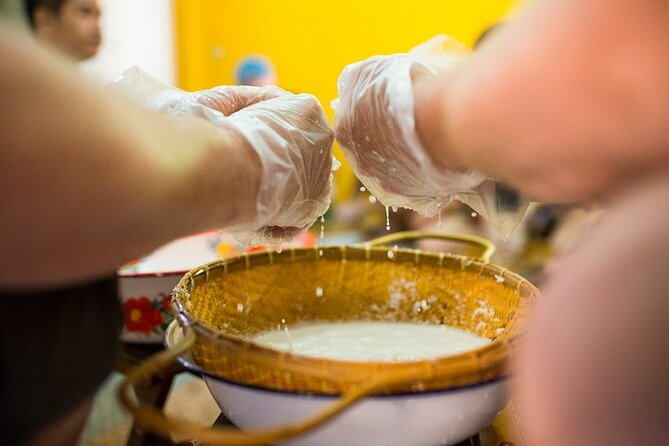
Coconut milk is not just a creamy ingredient. It influences sweetness, richness, and how spices read on your tongue. Sticky rice has its own logic too, especially when you pair it with coconut milk for a dessert-style finish. Even if you’ve eaten these before, making them yourself usually clarifies why the texture and timing are important.
The herb part is also practical. Thai cuisine uses herbs not as garnish, but as flavor structure. Learning what’s used and how it changes a dish helps you stop thinking of Thai cooking as hot, salty, or sweet only. It’s also aromatic and herbal, and you’ll taste the difference once you start cooking your own servings.
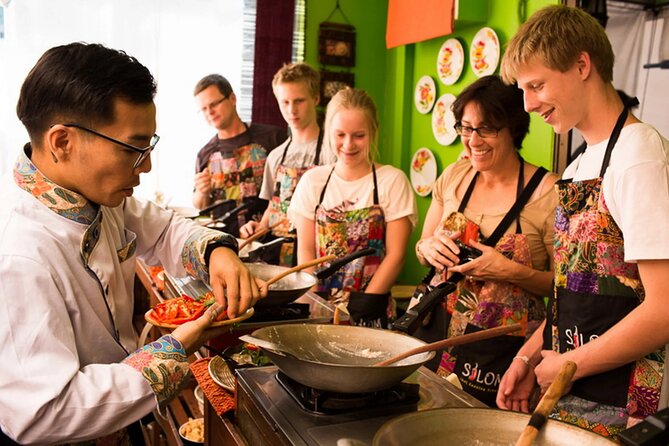
You’ll move on to four cooking sessions after the intro, and each one builds on the skills you practiced in the early part of the class. That step-by-step progression is one of the reasons people enjoy this style of class. You see how dishes are built up, ingredient by ingredient, instead of treating Thai food as a mystery box.
Pick up a new skill here
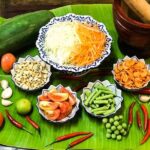

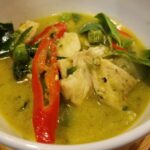
Session-by-session cooking: soup or stir-fry, salad, curry paste, dessert
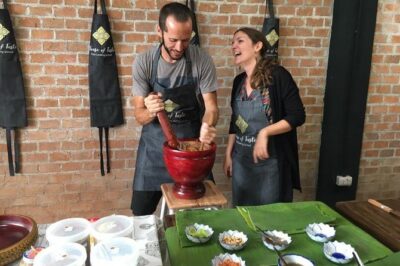
This is where the class earns its keep. The structure is clear, and each session has a specific goal, from savory to sweet. You’ll start cooking at 10:00 am with Session 1, then continue through Session 4, finishing around noon.
Session 1 at 10:00 am: soup or stir-fried dish
Session 1 is listed as soup or stir-fried cooking. In other words, you’re learning the workflow for a main savory dish type. Pay attention to the order of adding ingredients and the way aromatics lead the flavor. Even without a long lecture, you’ll start to understand how Thai cooking builds depth fast.
This first session is also a confidence builder. You’re not thrown into dessert first. You learn rhythm, timing, and how the kitchen station works so the later curry paste session feels manageable.
Session 2 at 10:30 am: salad dish
At 10:30 am, it’s salad time. Thai salads often rely on a balance of sour, salty, sweet, and fresh herb notes. That means your ingredient choices from the market stop being abstract and become obvious in the bowl.
I like salad sessions because they teach control. You can taste as you go, adjust as needed, and see how crunch and herb freshness affect the whole plate. If you’ve ever eaten Thai salad and wondered why it tastes so clean and sharp, this part is the answer.
Session 3 at 11:00 am: curry, plus curry paste from scratch
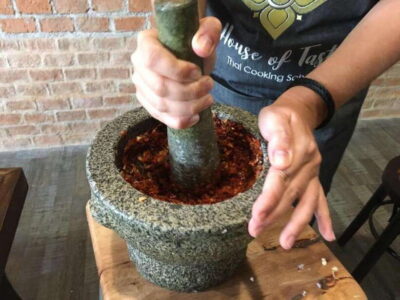
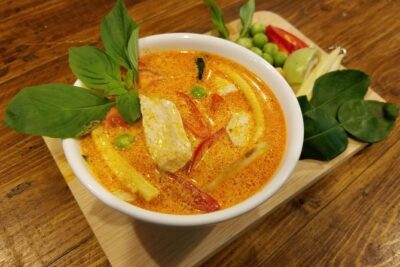
At 11:00 am, Session 3 turns to curry. The big highlight here is that you make curry paste from scratch. That is the moment when Thai cooking stops being “follow the recipe” and becomes “understand the system.”
Curry paste is where flavor is concentrated. You’ll learn that curry taste is not just a sauce. It’s an engineered blend of aromatics, herbs, and spice, and the paste you build is what carries the dish. Once you do it yourself, pre-made paste feels less like a shortcut and more like a compromise you’ll understand.
When you cook the curry after making the paste, you see how heat and liquid transform texture and aroma. This is also likely the session that impresses you most, because it’s the most hands-on labor and the most unmistakably Thai technique.
Session 4 at 11:30 am: dessert
Finally, at 11:30 am, you make dessert. Since the earlier intro includes sticky rice and coconut milk, you’ll have the building blocks for a sweet finish. Dessert also rounds out the class, so you leave with a complete sense of Thai cooking, not only savory dishes.
The dessert session is short enough to fit the schedule, but it’s long enough that you practice the flavors rather than treating it as a quick sample. If you enjoy food that isn’t only sweet, this part tends to satisfy, because coconut milk often creates gentle richness instead of just sugar.
What you’ll take home: skills for eating and cooking in Bangkok
This class isn’t just about the five dishes on your plate. The real value is what you learn to notice next time you’re eating Thai food around Silom and beyond.
Because you start with ingredient picking, you can connect flavor to source. When you eat a dish later, you’ll be more likely to identify the herbal notes, the role of coconut milk, and the reason curry tastes the way it does. That changes your restaurant experience quickly. You stop asking What’s in it? and start asking Which ingredient is doing which job?
You also learn technique that helps you read menus. For example, once you’ve made curry paste, you’ll understand why some curries taste brighter and more layered. Once you’ve made a Thai salad, you’ll recognize the balance pattern, even if the exact ingredients differ.
And if you cook at home, you’ll have a stronger roadmap than a list of ingredients. This type of lesson teaches process: the order of cooking, how flavors build, and what to do when you want the dish to taste more balanced.
One gentle note: spicy level control is not spelled out in the provided info, so don’t assume you can customize everything. Best approach is to be clear with your instructor while you’re cooking. If you want mild or extra flavor, ask early.
Price and value for this 4-hour food-focused class
At $49.99 per person for about 4 hours, you’re paying for guided market shopping plus a structured, hands-on cooking workload. That can be good value in Bangkok, especially because the schedule includes multiple dishes and includes curry paste making, which is usually the trickiest part.
The real value is how much you actually produce. This class is set up so you cook across savory and sweet: soup or stir-fry, salad, curry, and dessert. Plus, the intro includes coconut milk and sticky rice, which helps you understand the Thai flavor system from base to finish. That’s more than a typical “single dish” class.
Group size also affects value. With a maximum of 12 people, the class is small enough for interaction but still large enough to keep things lively and efficient. You’re not spending the whole time waiting for your turn.
If you’re on a tight itinerary and want to trade time for a solid skill payoff, this one is worth considering. You’ll leave with finished dishes and a clearer sense of how Thai cooking works.
Who should book this Silom class (and who might skip it)
This class is a great match if you want a practical cooking lesson in Bangkok that doesn’t float between random steps. It suits people who like eating what they cook, people who enjoy learning ingredients, and people who are curious about curry paste and Thai herb flavors.
It’s also ideal if you’re short on time. The schedule is set and compact. You start at 8:30 am, finish around noon, and you head back to the same meeting point. That makes it easier to plug into a day that includes other city plans.
You might skip it if you prefer long, unstructured wandering. The market stop is guided and timed, and the kitchen portion is a series of sessions with little downtime. This is not the format for slow traveling.
Should you book this Thai cooking class in Silom?
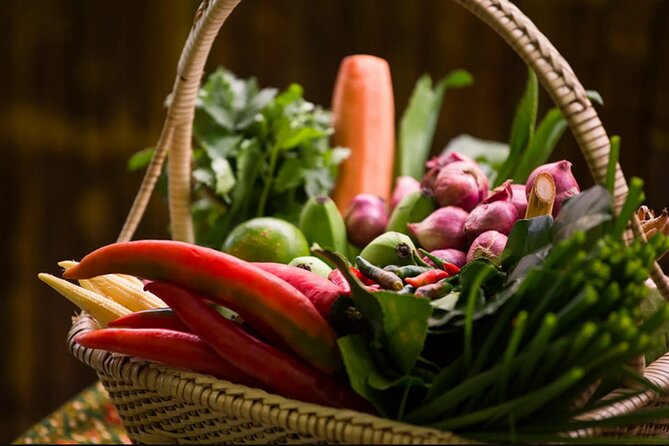
I think it’s an easy yes for food-first travelers who want to understand Thai flavors, not just take photos. The combination of market ingredient picking and four cooking sessions plus dessert gives you a meaningful learning arc in one morning.
Book it if you want curry paste from scratch, you like working with herbs and rice, and you enjoy hands-on cooking more than sitting through demos. If your schedule can handle an early start, you’ll likely feel satisfied, not rushed.
FAQ
FAQ
Where does the class meet?
The start meeting point is 6 Decho Rd, Khwaeng Suriya Wong, Khet Bang Rak, Krung Thep Maha Nakhon 10500, Thailand.
What time does the experience start?
The start time is 8:30 am.
How long is the cooking class?
The duration is listed as approximately 4 hours.
What does the experience include?
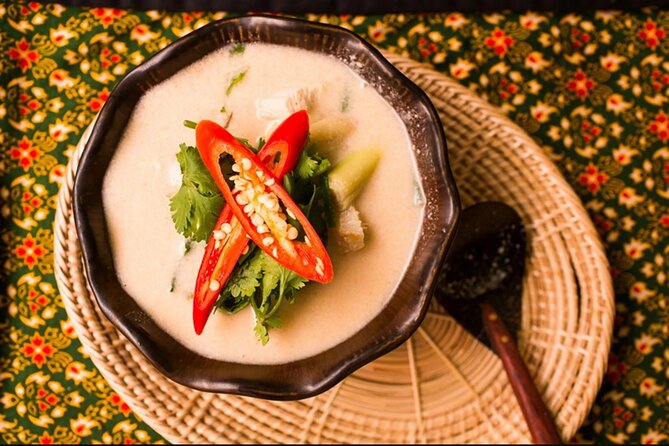
You’ll visit a local market, then take part in a hands-on Thai cooking class with sessions for soup or stir-fried dish, salad, curry (including curry paste from scratch), and dessert. The intro also covers vegetables, rice, herbs, coconut milk, and sticky rice.
Is this class in a small group?
Yes. The maximum group size is 12 travelers.
Do I need a printed ticket?
No. The tour uses a mobile ticket.
How and when will I receive confirmation?
Confirmation is received within 48 hours of booking, subject to availability.
Is the meeting point near public transportation?
Yes, it is near public transportation.
Can I cancel for a full refund?
Yes. You can cancel for a full refund up to 24 hours in advance of the experience’s start time. If you cancel less than 24 hours before, the amount paid will not be refunded.
More Markets in Bangkok
- Half-Day Railway Market and Floating Market Tour in Thailand★ 4.5 · 3,924 reviews
- Bangkok: Damnoen Saduak, Train Market & Mahanakhon Day Trip★ 4.7 · 2,162 reviews
- From Bangkok: Damnoen Saduak Floating Market Guided Tour★ 4.4 · 2,020 reviews
- Damnoen Saduak Floating Market and Maeklong Railway Market Tour★ 4.5 · 1,588 reviews
More Shopping Tours in Bangkok
- Bangkok: Damnoen Saduak Market and Maeklong Railway Market★ 4.5 · 26,723 reviews
- The Old Siam: Damnoen Saduak and Maeklong Railway Market★ 4.5 · 10,992 reviews
- Bangkok: Train Market & Floating Market with Boat Ride★ 4.7 · 9,547 reviews
- Bangkok: City Highlights Temple and Market Walking Tour★ 4.5 · 3,990 reviews
The newest additions around Bangkok
- Central Thailand Walking Tour and visit Temple at Bangkok
★ 5.0 · 1 review - Private 2-Day Bangkok City Tour and Ayutthaya Tour from Bangkok
★ 5.0 · 1 review - Train Market, Floating Market, and Salt Lake Tour by driver
★ 5.0 · 1 review - Fullday Private Tour Bangkok Temple & City Tour with lunch+Amazing Bangkok Tour
★ 5.0 · 1 review - Bangkok: One Day Thai Costume Rental (Gentleman)
★ 2.0 · 1 review - Laem Chabang Shore Excursion : Shopping, Massage & Food Tasting
★ 5.0 · 1 review - Bangkok Dream World & Snow Town Theme Park Admission Ticket
★ 3.0 · 1 review - Bangkok 4 Hour Cultural & Temples Tour Private with Guide
★ 5.0 · 1 review
Bangkok Thai Cooking Classes, compared.
Tingly Thai Cooking School Half-Day Cooking Class
Read our review →
Tingly Thai Cooking Class with Morning Market Tour
Read our review →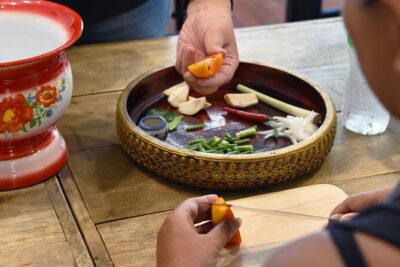
Hands-on Thai Cooking Class & Market Tour in Sukhumvit
Read our review →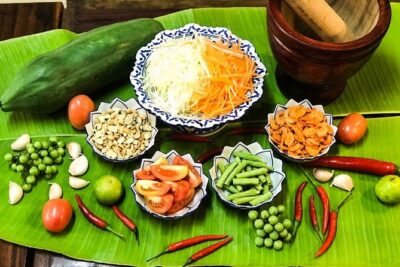
Pink Chili – Thai Cooking Class and Market Tour in Bangkok
Read our review →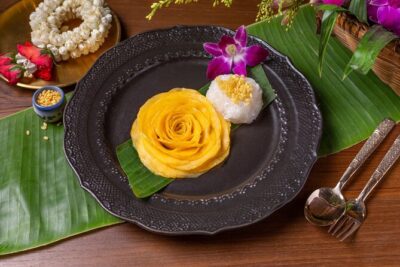
Authentic Thai Cooking with the Largest market visit &TukTuk ride
Read our review →Browse the lists this tour appears in