
Reviewed · RIVER KWAI & KANCHANABURI TOURS
3D2N RIVER KWAI Tour from Bangkok with Home Phutoey & Float House
River Kwai turns history into something you can feel. This 3 day trip from Bangkok blends Death Railway memorial stops with real river time, long-tailed boat travel, and two very different places to sleep on the water. I especially like the balance of guided context plus hands-on experiences, from the Mon tribal village jungle trek to the train ride over the original wooden viaduct.
One watch-out: the days start early and stay full, with plenty of time on the road and several scheduled activities back to back. If you want a slow, lazy pace, you may find the schedule a bit intense.
In This Review
- Key takeaways before you go
- A River Kwai trip that mixes solemn sites with real river time
- Getting started in Bangkok, then heading west to Kanchanaburi
- Thailand-Burma Railway Centre and the war cemetery, where facts become personal
- Bridge over the River Kwai, plus a treetop adrenaline break
- Long-tailed boat to Home Phutoey River Kwai, and the comfort of being on the river
- Peace Park, Jack Chalker, and the Weary Dunlop section that connects art to POW life
- Mon tribal village trek and nature time you can actually feel
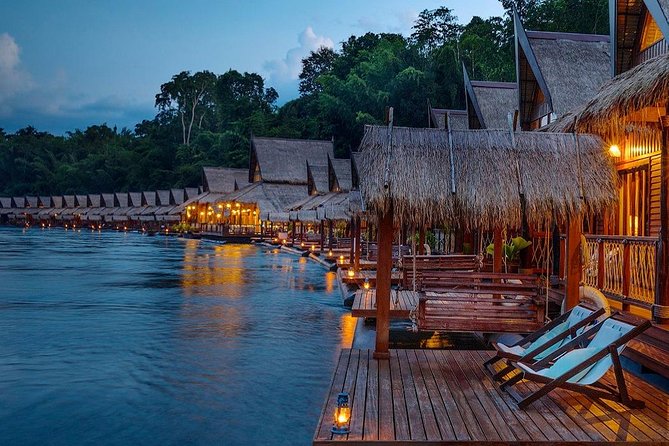
- FloatHouse River Kwai: your second night, and why the format works
- Death Railway Museum and the historic train ride over the original wooden viaduct
- Price and logistics, and where the $670.48 per person actually goes
- Who this tour suits best, and who might prefer a different pace
- Should you book this River Kwai 3 day tour?
- FAQ
- What time does the tour start in the morning?
- How long is the tour?
- Does the tour offer hotel pickup and transportation?
- Where do you stay overnight?
- What meals are included?
- Are admissions included for the museums and key sites?
- What activities do you do on the river and in nature?
- Is the Death Railway train ride included?
- What is the maximum group size?
- Is there free cancellation?
Key takeaways before you go
- Small group size (max 15) keeps things easier when you are moving between sites and boats
- Two unique River Kwai overnights means you get more than day-trip sightseeing
- Death Railway train ride over an original wooden viaduct is the highlight for history lovers
- Mon tribal village trekking plus canoeing or bamboo rafting adds nature and culture beyond museums
- Peace Park and Jack Chalker art display gives a human angle to the POW story
- Tree top adventure park with 38 stations adds physical fun without needing to plan extra
Cross the bridge, hear the history
A River Kwai trip that mixes solemn sites with real river time
River Kwai is one of those places where the movie version of the story still lingers, but the ground truth is heavier and more human. This tour keeps that balance. You spend real time at memorials and research centers, then you move through the area in ways that feel natural to the region, like traveling by long-tailed boat on the River Kwai and sleeping on the river at two different properties.
I like that the tour does not treat history as a checklist. Instead, it threads the story through museums, cemeteries, and the train track itself, then follows with cultural and outdoor moments on the same river. You get a day that makes sense, not just a bunch of stops that blur together.
Getting started in Bangkok, then heading west to Kanchanaburi
The tour starts with hotel pickup in central Bangkok, typically between 06.00 and 06.30, with an activity start time of 6:30 am. From there, you travel about 128 km west to Kanchanaburi province. This is a long push for day one, so I’d plan to have breakfast earlier or snack on the ride if you get hungry before the first scheduled meal.
The practical win here is that you do not need to coordinate separate transport to each site. You are in joined transportation with an English-speaking guide, and the group size caps at 15, which helps with timing. The only drawback is simple: you are leaving early, and traffic or timing changes can happen, since the schedule notes deviations may occur depending on road conditions and other circumstances.
Thailand-Burma Railway Centre and the war cemetery, where facts become personal
Your first major stop is the Thailand-Burma Railway Centre, an interactive museum and research facility. It is fully air-conditioned, and the admission ticket is included, which makes it an easy yes after the morning drive. This is where you get grounding before the more famous sights, so later visits land with more weight.
Then you head to the Kanchanaburi War Cemetery, memorializing about 6,000 Allied POWs who perished along the death railway line and were later moved to their final resting place. Admission is free here, and the focus is quiet and respectful, more about remembrance than entertainment.
Two things I like about these paired stops:
- You go from big picture context to specific names and loss.
- They set the emotional tone before you see the bridge and ride trains later.
Keep scrolling, there's usually one more worth booking.
Bridge over the River Kwai, plus a treetop adrenaline break
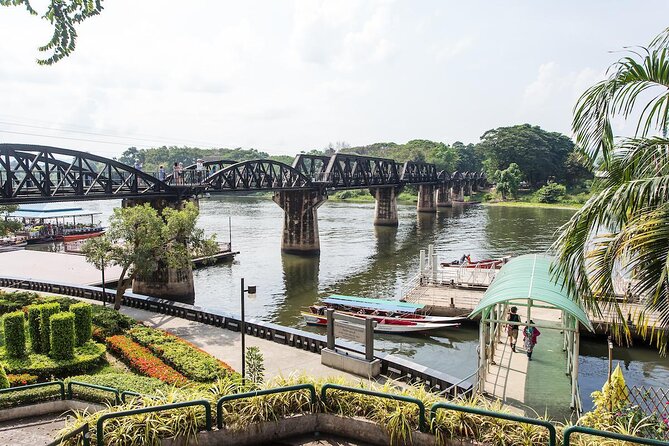
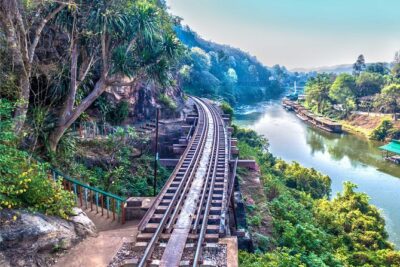
The River Kwai Bridge is one of the most recognizable sights in the area, and this stop is part of the Death Railway constructed by Allied POWs. Admission is free, and the visit gives you a chance to look at the bridge structure before you move into the river portion of the day.
Immediately after, you pivot to something lively: Tree Top Adventure Park Kanchanaburi. It is scheduled for 16.00, and the session is described as a treetop adventure with 38 stations. You should treat this as an active, moving segment. Wear closed shoes with a good grip, and bring something to keep your hands comfortable, because you will likely be moving between platforms and climbing elements during the course of a station-based route.
This mix, heavy history followed by physical fun, works well if you are the kind of traveler who needs a change of energy. If you prefer your schedule to stay solemn all day, the treetop segment might feel like a shift. Still, it also makes the overall trip feel less grim and more balanced.
Long-tailed boat to Home Phutoey River Kwai, and the comfort of being on the river
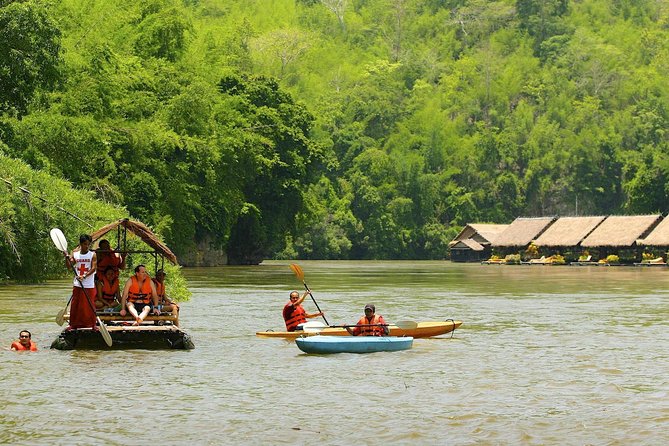
Around midday, the tour takes you by long-tailed boat on the River Kwai to Home Phutoey River Kwai. This is one of those moments where you trade cars and museums for a slower rhythm, and the boat ride helps you reset your brain after the morning memorial sites.
When you arrive, you check in and have lunch. Dinner is included, and you stay one night at Home Phutoey River Kwai. The big value here is location. Staying on the river means you can actually hear the water and enjoy the setting after the daytime crowds, even if the schedule is busy.
I also like how the tour uses the river as a connector. You are not just visiting the river; you are traveling through it and sleeping with it.
Peace Park, Jack Chalker, and the Weary Dunlop section that connects art to POW life
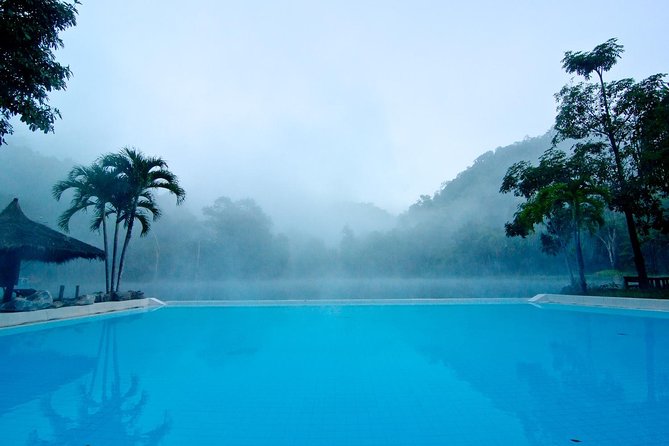
Day two begins with breakfast at the first property. After that, you go to Home Phutoey Peace Park and spend time exploring the collection created by Jack Chalker, a British artist who was a prisoner of war in the camp over a three-year period.
This is not your typical museum stop. Art here functions as historical evidence and as human testimony. It is an angle that helps you understand what POW life did to perception, memory, and daily survival. If you usually skip art displays when you travel, this one is different because it is tied directly to the lived story.
You also visit the Weary Dunlop museum and replicas of hospital hut. That pairing matters. It helps you see how medical care, suffering, and endurance are remembered in multiple ways, not just through dates and numbers.
From a practical standpoint, this segment is a good break from constant travel. You are guided, the information is presented as you walk through exhibits, and you can pace yourself inside the displays.
Mon tribal village trek and nature time you can actually feel
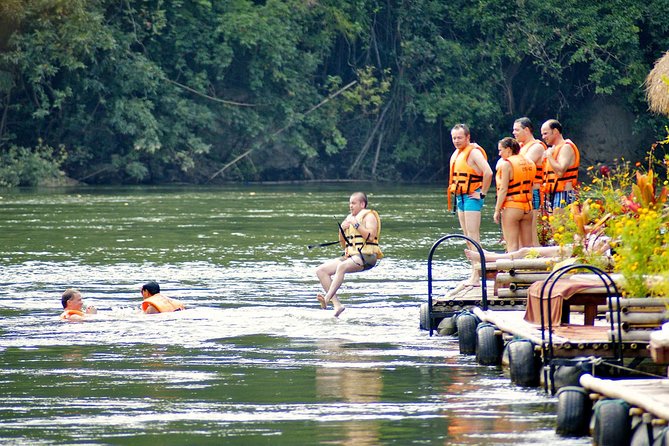
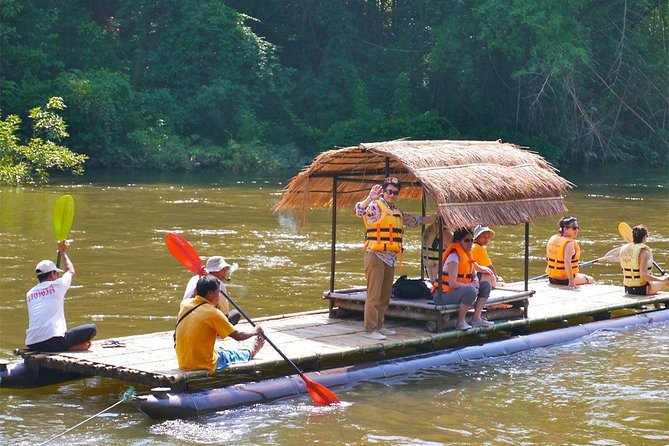
After lunch, the day shifts into the cultural and outdoors side. You travel to a nearby ethnic Mon tribal village via jungle trekking, scheduled around the early afternoon. Then you get river time again with bamboo rafting or canoeing, and you check in to your second overnight accommodation at FloatHouse River Kwai.
The Mon tribal village portion is built around walking and contact with local community life, with the explicit chance to trek through jungle. The details of what you see along the trail are not scripted for you like a museum exhibit, which is exactly why this part can be memorable. You are more likely to notice plants, insects, and the sounds of the area, and you are in a place far from Bangkok’s pace.
Because the only specifics given are jungle trekking and village visit, keep your expectations flexible. If you get motion sick easily, trekking and moving between locations can be harder. If you are comfortable on uneven paths, this is one of the best ways to round out the history theme with something tactile and living.
For the bamboo rafting or canoeing, you might get splashed depending on water conditions. Bring a light change of clothes or a dry bag if you have one.
FloatHouse River Kwai: your second night, and why the format works
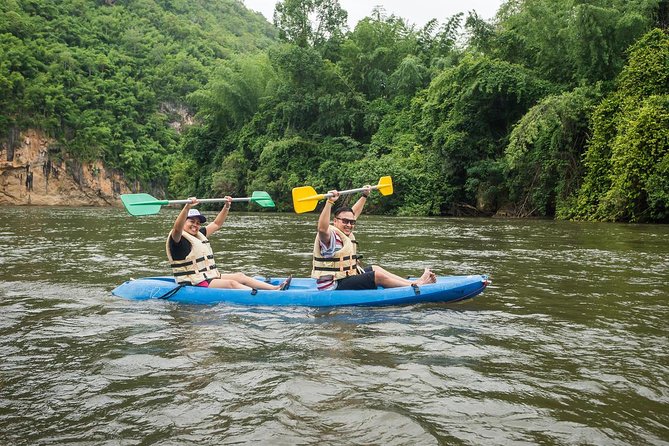
The second overnight at FloatHouse River Kwai is where the tour really turns into a trip, not just a sightseeing run. It is scheduled for dinner and overnight after your rafting or canoeing segment.
I like the logic of two different river stays. It reduces the feeling that you are just passing through. After a day of trekking and guided museum stops, it feels satisfying to slow down again with a property designed around the river setting.
And since dinner is included, you do not have to hunt for food after a long day. That is a small detail, but it affects how relaxed the evening feels.
Death Railway Museum and the historic train ride over the original wooden viaduct
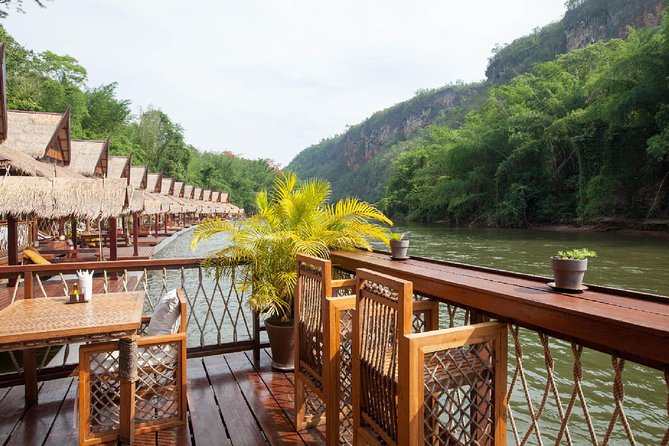
Day three starts with breakfast, and the schedule moves quickly into the final big history moment. You check out around 11.00, then have lunch at a local restaurant around 11.40.
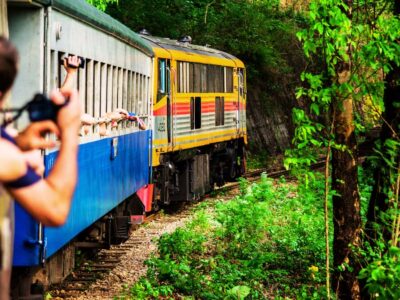
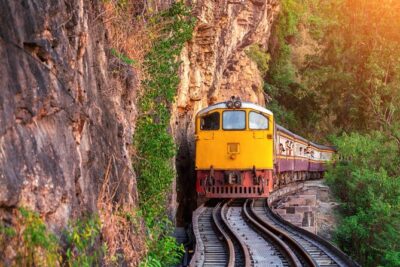
At 13.00, you ride the Death Railway Train. This is described as a historic ride passing over an original wooden viaduct constructed by Allied POWs. For most people, this is the moment that ties everything together. You have seen the research center, the bridge, and the memorials, and now you are moving along the story in the form of track.
The train ride is also practical for your energy level. You are not walking for hours again, and your guide can focus on the context while you watch the scenery and the structure passing by.
After the train ride, you head back to Bangkok and arrive around 18.00, with transfer to hotels. That end time matters if you have a night flight or dinner plans. It also means you should not book anything too tight right after arrival.
Price and logistics, and where the $670.48 per person actually goes
At $670.48 per person, this is not a bargain-basement day trip. So the real question is value. What are you buying for that money?
From the details provided, you are paying for:
- Two nights of accommodations on the river at Home Phutoey River Kwai and FloatHouse River Kwai
- An English-speaking guide
- Joined transportation for Bangkok to Kanchanaburi and back
- Meals (breakfast twice, lunch three times, dinner twice)
- Insurance
- Admissions for specific parts, including the Thailand-Burma Railway Centre and certain included activities
I think the price makes more sense if you are the kind of traveler who wants the full arc. That includes memorial context, active experiences like trekking and rafting, and the train ride itself. If you only wanted one museum and the bridge, you could probably build a cheaper DIY plan. But you would also lose the smooth connection between stops and the built-in flow of river travel plus two overnights.
You should also consider timing. This tour is, on average, booked about 93 days in advance. That tells me you should plan ahead if you are traveling during a busy season, especially if you want the dates that fit your schedule.
Who this tour suits best, and who might prefer a different pace
This tour is a strong match for you if:
- You care about WWII and the Thailand-Burma Railway story, and you want more than a single photo stop
- You want your history day paired with outdoor and cultural activities like jungle trekking and bamboo rafting or canoeing
- You like sleeping away from the city, with a real sense of place on the River Kwai
- You prefer having an English-speaking guide handle the flow of logistics
It might be less ideal if:
- You hate early starts or long vehicle days
- You want fewer scheduled activities and more free time for wandering
- You need a slow, low-energy day by default, since the schedule is packed and includes both museums and active segments
Should you book this River Kwai 3 day tour?
I’d book it if you want the best of both worlds: memorial and museum depth, plus river experiences that actually change your day. Two nights on the water, plus the train ride over the original wooden viaduct, are hard to replicate cheaply without doing more planning than most people want.
If you are sensitive to a tight schedule, I’d still consider it, but go in with eyes open. Plan for an active rhythm, bring the basics for walking, and treat the treetop park and rafting option as part of the adventure, not an afterthought.
FAQ
What time does the tour start in the morning?
Pickup starts from major hotels in Bangkok downtown area between 06.00 and 06.30, and the activity start time is 6:30 am.
How long is the tour?
The tour runs for 3 days, with the duration listed as approximately 3 days.
Does the tour offer hotel pickup and transportation?
Yes. Pickup is offered, and you travel in joined transportation with an English-speaking guide.
Where do you stay overnight?
You stay one night at Home Phutoey River Kwai and one night at FloatHouse River Kwai.
What meals are included?
Breakfast is included twice. Lunch is included three times. Dinner is included twice.
Are admissions included for the museums and key sites?
Admission is included for the Thailand-Burma Railway Centre. Admission for the Kanchanaburi War Cemetery and the River Kwai Bridge is free as listed. Some other listed activities include admission ticket information as included or free depending on the stop.
What activities do you do on the river and in nature?
You take a long-tailed boat on the River Kwai to Home Phutoey River Kwai. On the second day, you do jungle trekking to a nearby ethnic Mon tribal village, and then you have bamboo rafting or canoeing.
Is the Death Railway train ride included?
Yes. You take a historic ride on the Death Railway Train, passing over an original wooden viaduct constructed by Allied POWs.
What is the maximum group size?
The tour has a maximum of 15 travelers.
Is there free cancellation?
Yes. Free cancellation is offered up to 24 hours in advance of the experience start time for a full refund.
The newest additions around Bangkok
- Central Thailand Walking Tour and visit Temple at Bangkok
★ 5.0 · 1 review - Private 2-Day Bangkok City Tour and Ayutthaya Tour from Bangkok
★ 5.0 · 1 review - Train Market, Floating Market, and Salt Lake Tour by driver
★ 5.0 · 1 review - Fullday Private Tour Bangkok Temple & City Tour with lunch+Amazing Bangkok Tour
★ 5.0 · 1 review - Bangkok: One Day Thai Costume Rental (Gentleman)
★ 2.0 · 1 review - Laem Chabang Shore Excursion : Shopping, Massage & Food Tasting
★ 5.0 · 1 review - Bangkok Dream World & Snow Town Theme Park Admission Ticket
★ 3.0 · 1 review - Bangkok 4 Hour Cultural & Temples Tour Private with Guide
★ 5.0 · 1 review
River Kwai & Kanchanaburi Tours, compared.


Erawan Waterfalls and Bridge Over River Kwai Tour from Bangkok
Read our review →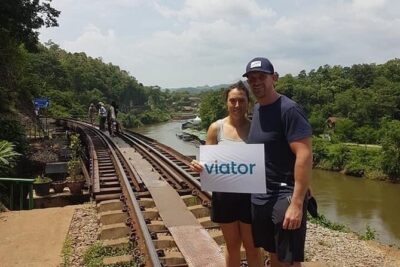
Bridge on the River Kwai and Thailand-Burma Railway Guided Tour
Read our review →
Erawan Waterfall and Elephant Care: Private Tour to Kanchanabur
Read our review →Browse the lists this tour appears in