
Reviewed · BANGKOK STREET FOOD TOURS
Small-Group: Unseen Bangkok’s Chinatown Walking Tour
Chinatown here feels like a neighborhood, not a postcard. On this Unseen Bangkok tour, you follow a guide through Sampeng Market’s tight lanes, stop at Chinese temples and shrines, then eat a proper Thai-Chinese lunch. It’s the kind of Bangkok that rubs shoulders with everyday life.
I really like the small-group setup and pace. With up to eight on the walk (and a cap of 10), you get time for questions, not just a brisk parade through the highlights. I also love the mix of food plus history, from Chinese street snacks to a long-lived restaurant lunch, with multiple chances to sit, sip, and regroup.
One thing to consider: this is not a pure shopping free-for-all. If you’re hunting for a bargain spree with tons of time in market stalls, you may feel the emphasis leans more toward stories, temples, and targeted stops than extended shopping hours.
In This Review
- Key highlights you’ll actually notice on the ground
- Chinatown, your guide, and why this walk works
- Price and what $52.14 buys you for 3 to 4 hours
- Meet-up at Hua Lamphong, and how to start without stress
- The walking route, coffee breaks, temples, and quick context at every turn
- Stop-by-stop: what happens at each moment of the day
- Chinatown’s Chinese shrine and the oldest Chinese house
- The former red-light district in Chinatown
- The 150-year-old fresh market walk
- Street art area, snack stops, and lunch at a longtime restaurant
- Food and drinks: Thai-Chinese snacks, samples, and a real sit-down meal
- Temples, shrines, and community places that feel more real than tourist stops
- The former red-light district stop: how to handle it on the day
- Comfort, pace, and who this tour suits best
- Weather-proof planning, because Chinatown does not pause
- Should you book the Small-Group Unseen Bangkok Chinatown Walking Tour?
- FAQ
- How long is the Unseen Bangkok Chinatown walking tour?
- What time does the tour start?
- Where do I meet the guide?
- Is hotel pickup included?
- What food and drinks are included?
- How big is the group?
- Will I get a ticket on my phone?
- Does the tour run in bad weather?
- What is the cancellation policy?
Key highlights you’ll actually notice on the ground
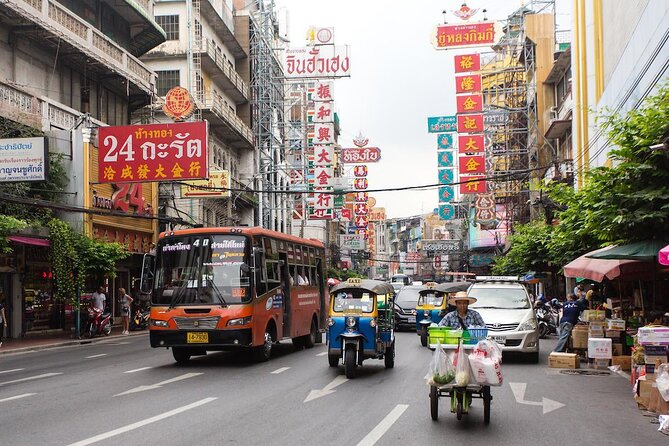
- Sampeng Market alley time plus a 150-year-old fresh market stop, where the action feels real and close
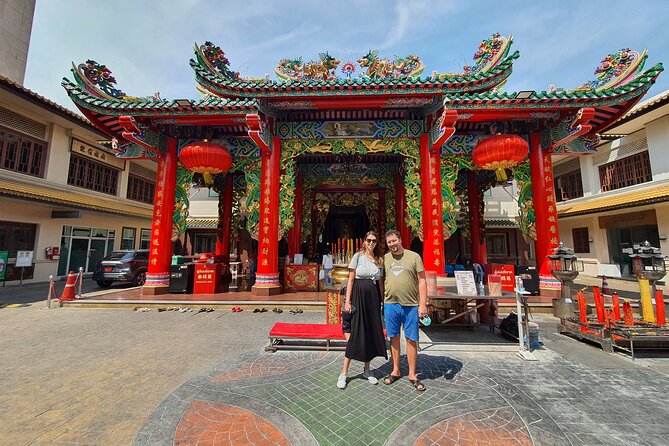
- Temple and shrine visits tied to community life, including a Chinese shrine and the oldest Chinese house in Bangkok
- Street art and side streets, where you slow down and see corners most people miss
- Food that feels local, with snack samples and a sit-down Thai-Chinese lunch (drinks available for purchase)
- Guides who can tell the human story, with names like Bobby, Aom, Mai, Eng, Gee, George, and Pat showing up in praise for clear explanations
Eat where the locals actually eat
Chinatown, your guide, and why this walk works
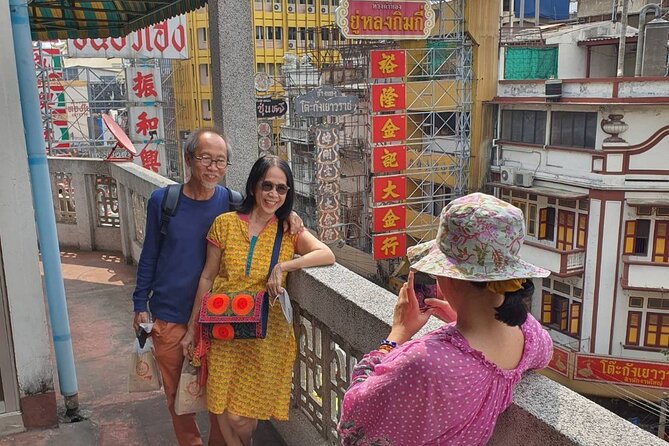
Bangkok’s Chinatown is easy to oversimplify. You can end up with a quick circuit of sights and photo stops, then wonder why it felt a bit staged. This tour goes the other way, threading you through smaller lanes and shopfronts where you can feel the daily rhythm of the Chinese community in Bangkok.
The value is in how the guide structures the day. You’re not just walking, you’re being pointed toward specific places for a reason: what you’re looking at, why it matters, and how it connects to the people who live and work there. That’s the difference between checking boxes and getting your bearings fast.
And yes, you’ll still eat well. Lunch is built into the route, not tacked on as an optional detour. That matters in Chinatown, where “what to eat” can turn into decision fatigue quickly.
Price and what $52.14 buys you for 3 to 4 hours
At about $52.14 per person, this is in the reasonable range for a guided, small-group food-and-culture walk in Bangkok. What makes it good value is the combination of guided time, multiple stops that include entrance for certain sights, and food.
You get:
- A local guide
- Food and drink samples
- Local transportation fee during the trip
- A lunch of typical Thai-Chinese dishes
- A mobile ticket so you’re not messing with paperwork on your phone
You don’t get alcohol included, and drinks at lunch are available for purchase. But for most people, that’s a plus. It keeps the price from ballooning, while still letting you decide how much you want to drink.
Bottom line: if you want guided context plus real food, the price starts to make sense fast. If you only want to shop and skip the temple and shrine parts, you may feel you’re paying for narrative you do not need.
Meet-up at Hua Lamphong, and how to start without stress
The tour starts at 10:00am. Meet at Better Coffee Building, 1st floor, 320 TangHuaPak in the area around Hua Lamphong, near MRT (metro) Hua Lamphong station, Exit 1 at street level.
I like this kind of meetup because it’s public-transit friendly. Bangkok is easier when you’re not stuck waiting for a hotel pickup that may or may not come on time.
Also, the tour ends back at the same meeting point. That’s helpful for planning the rest of your day, because you can go from Chinatown right back into your own rhythm.
Old Bangkok, block by block
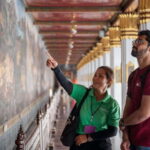
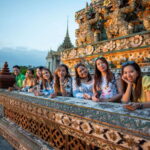
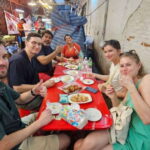
The walking route, coffee breaks, temples, and quick context at every turn
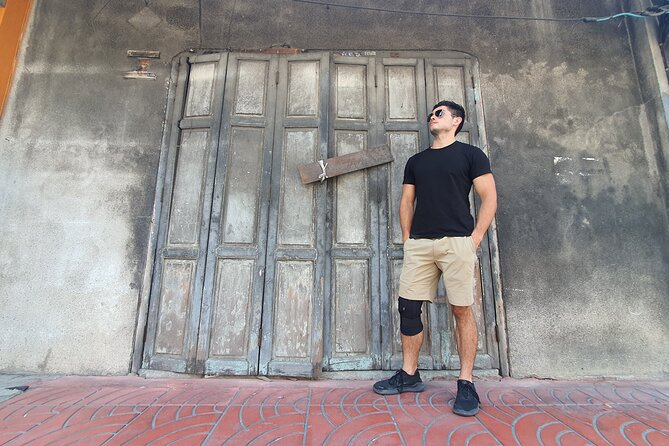
This is a 3 to 4 hour walking tour. The good news is that the itinerary is organized around short, purposeful segments, not long stretches with no reason to stop. Comfortable walking shoes are a must, because the lanes in this part of Bangkok are exactly the kind you can feel in your calves.
Early on, you’ll get oriented with visits that set the tone. The day begins with ancient Chinese temples, then continues toward a hidden school area and a local coffee shop stop to get a drink. That combo is smart. Coffee gives your energy, and the early temple and school stops help you understand the community behind the storefronts before you go full market-mode.
Then the route shifts into Chinatown proper, with a stop that includes a Chinese shrine and the oldest Chinese house in Bangkok. You’ll also get some chance for participation with the local Chinese community, which is one of the parts that makes this feel less like a museum tour and more like visiting a living neighborhood.
Stop-by-stop: what happens at each moment of the day
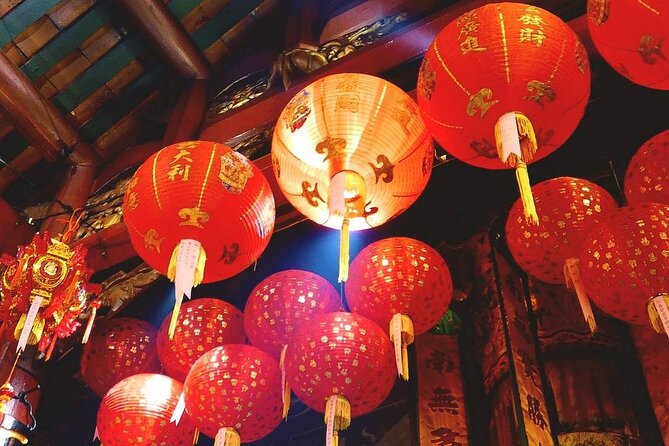
Chinatown’s Chinese shrine and the oldest Chinese house
This is a shorter stop, around 20 minutes, but it’s designed to give you something tangible to picture. You’re looking at symbols and structures tied to daily faith and community identity, and you’re getting a guide’s explanation so it doesn’t blur together with every other temple gate you’ve passed today.
There’s also an “old building and stories” angle in this portion. That’s key for visitors who want more than Instagram architecture. You’re learning why these places got built and how people use them.
The former red-light district in Chinatown
Next is a 15 minute segment referencing the former red-light district in Chinatown. This is the part where the tour should be handled with care, and the structure of a guided explanation matters. You’re not just walking through history, you’re hearing it framed, so it doesn’t turn into uncomfortable gawking.
If you’re sensitive to adult-history topics, you might want to know this part is included. It’s not described as graphic in the information you have, but it is directly about that part of Chinatown’s past.
The 150-year-old fresh market walk
Then you hit the 150 years old fresh market, with a shorter 10 minute stop. Fresh markets in Chinatown are loud, busy, and colorful, but they can also feel chaotic if you don’t have a guide telling you what you’re seeing.
This is where the tour can help you recognize patterns. What looks like random stalls becomes a working system when you understand what products move where and why.
Street art area, snack stops, and lunch at a longtime restaurant
After that, you walk toward a street art area and the day finishes with food. You’ll get snack sampling on the way and then end with lunch at a restaurant that’s been open for 30 years.
That 30-year detail isn’t just trivia. It’s a sign that the place has survived changing tourist trends and still serves the food local communities keep coming back for. Lunch is when the tour turns into pure satisfaction.
Food and drinks: Thai-Chinese snacks, samples, and a real sit-down meal
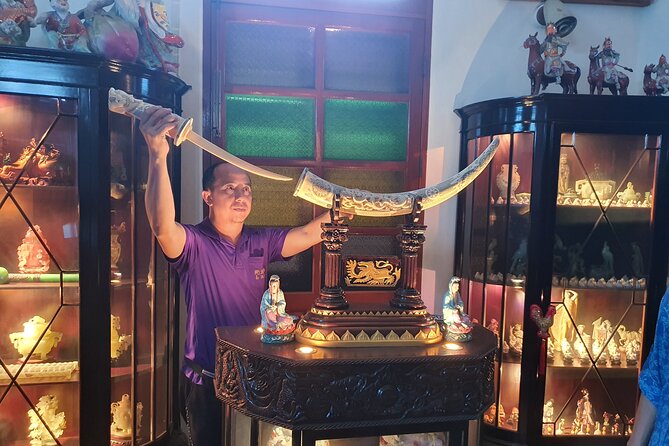
One of the strongest selling points here is that you’re not left hunting for lunch on your own. You get:
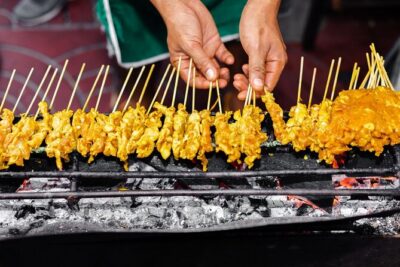
- Chinese street vendor snack samples
- Food and drink samples as part of the guide-led stops
- A sit-down lunch of typical Thai-Chinese dishes
Drinks are available for purchase during lunch, and alcoholic beverages are not included. In practice, that gives you flexibility. If you want tea or soda, you can likely choose your own option without paying for alcohol.
I also like that the coffee and drink moments appear early and mid-day. Chinatown can hit you with heat and sensory overload. Having a drink stop built into the route makes it easier to enjoy the market without feeling wiped out.
Temples, shrines, and community places that feel more real than tourist stops
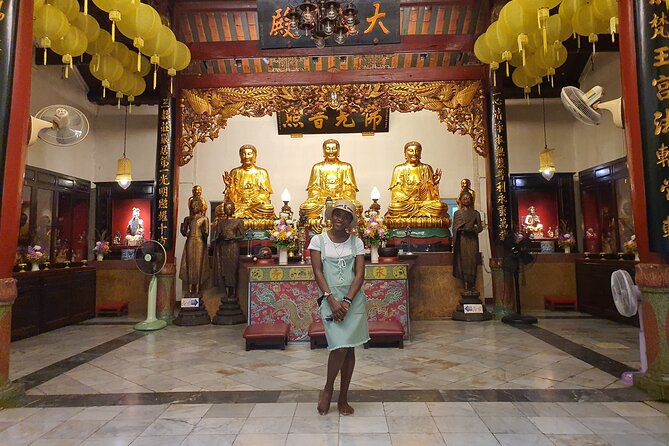
The tour includes temple and shrine time, including the Chinese shrine and a visit to Chinese temple areas. But the best part is how the stops are described as connected to community life, not just architecture.
You’ll also hear about a hidden school area and the stories attached to older buildings. That’s the kind of context that changes how you walk through a city later. You start noticing the small patterns: what’s preserved, what’s rebuilt, and what functions remain important even as shops change.
Guides are the difference here. Some of the guides praised for this walk include Bobby and Aom, with plenty of notes about clear explanations and going beyond the “tourist script.” Others like Mai, Eng, Gee, George, and Pat are also credited with mixing history and day-to-day culture, plus keeping the pace comfortable.
The former red-light district stop: how to handle it on the day
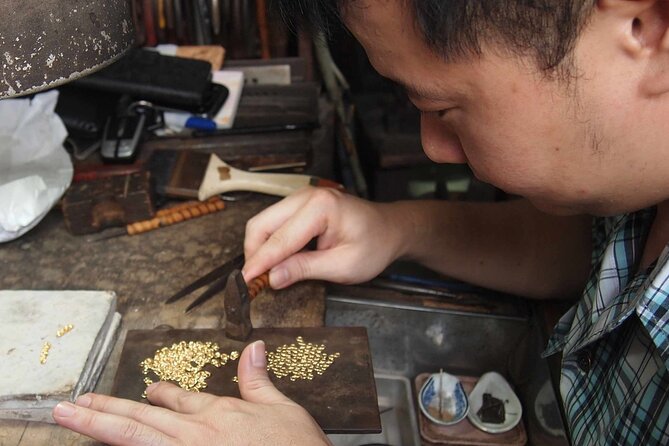
This stop can be a mental gear shift. It moves from temples and markets into a darker chapter of Chinatown’s past. The tour’s value is in how it’s explained and framed as history, not as spectacle.
If you prefer purely upbeat stops, you might not love this segment. But if you want a complete picture of Chinatown, it helps to include the whole story, including the parts that aren’t shiny.
Comfort, pace, and who this tour suits best
You should have moderate physical fitness. This is a walking tour in lanes and market areas, so you’ll want shoes that handle uneven pavement and frequent stops. The good news is that it’s not a marathon. The itinerary is built from short segments with breaks, including coffee and lunch.
This tour is a great fit if you:
- Want a small-group experience where you can ask questions
- Like history that shows up in everyday life, not just museum facts
- Enjoy food you can’t easily replicate at home
- Prefer quiet side streets and markets over major attraction crowds
You might want to skip or choose a different style tour if you want:
- Hours of shopping time with no structured stops
- A tour that’s focused purely on temples, without market-life scenes
- A totally low-walking day
Weather-proof planning, because Chinatown does not pause
The tour operates in all weather conditions. That means you should dress for heat and possible rain. Bring something practical like a light layer and plan for walking.
Also, because it’s an outdoor city walk, your comfort will depend on how well you handle the weather. This is another reason comfortable shoes matter so much.
Should you book the Small-Group Unseen Bangkok Chinatown Walking Tour?
I’d book this if you want Chinatown to feel like a living place with food, faith sites, and neighborhood stories, in a group small enough to keep it personal. The best value is that the lunch and snack plan removes the biggest headache in Chinatown, where deciding can slow you down.
I’d hesitate if you’re expecting a shopping-heavy bargain hunt with lots of free time in stalls. This tour does have market moments, but the emphasis is clearly on history, community sites, and guided context.
If you’re the type who likes to understand what you’re looking at, and you’re happy to walk for half a day, this one is a strong pick.
FAQ
How long is the Unseen Bangkok Chinatown walking tour?
The tour runs about 3 to 4 hours.
What time does the tour start?
The start time is 10:00am.
Where do I meet the guide?
Meet at Better Coffee Building, 1st floor, 320 TangHuaPak (near MRT Hua Lamphong station, Exit 1, street level).
Is hotel pickup included?
No. Hotel pickup and drop-off are not included.
What food and drinks are included?
You’ll get Chinese street vendor snack samples and a sit-down lunch of typical Thai-Chinese dishes. Drinks are available for purchase, and alcoholic beverages are not included.
How big is the group?
It’s limited to eight as a small-group experience, and the maximum size is listed as 10 travelers.
Will I get a ticket on my phone?
Yes, the tour uses a mobile ticket.
Does the tour run in bad weather?
Yes, it operates in all weather conditions, so you should dress appropriately and wear comfortable walking shoes.
What is the cancellation policy?
Free cancellation is available if you cancel up to 24 hours before the experience starts for a full refund.
The newest additions around Bangkok
- Dream World & Snow Town in Bangkok with Return Transfer & Lunch
★ 4.5 · 3 reviews - Bangkok: Nong Nooch Garden
★ 5.0 · 3 reviews - Private tour to Ayutthaya and Lopburi Monkey Temple (from Bangkok)
★ 5.0 · 3 reviews - Guided Tour of Grand Palace & Emerald Buddha Temple in Bangkok
★ 5.0 · 3 reviews - Half Day DIY Grand Palace and Emerald Buddha Temple
★ 4.5 · 3 reviews - HD-01 Koh Rattanakosin old town cycling with The Giant Swing, and more
★ 5.0 · 3 reviews - Glittering Ayutthaya Tour to Famous Sights, Market & Sunset Boat
★ 4.5 · 3 reviews - Private Tour: The Best of Bangkok Temples – Half Day
★ 4.0 · 3 reviews
Bangkok Street Food Tours, compared.
Bangkok Backstreets Food Tour with 15+ Tastings
Read our review →
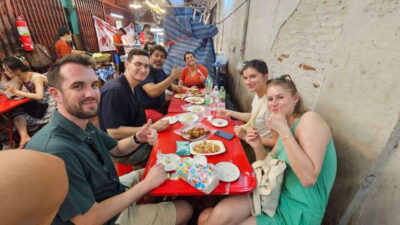
Bangkok Authentic Tasting Thai-Chinatown Walking Food Tour
Read our review →
Bangkok Tuk-Tuk Tour by Night with Chinatown Street Food Meal
Read our review →
Browse the lists this tour appears in