
Reviewed · BANGKOK STREET FOOD TOURS
Private – China Town Walking Tour incl. secret herbal drink
Chinatown rewards slow steps and smart questions. This private Bangkok Chinatown walking tour turns Yaowarat, markets, and temples into a place you can actually make sense of, with an English guide who explains what you are seeing as you go. I especially like the small group setup, which keeps the pace friendly and questions coming.
The second big plus is the food and drink focus in the middle of the route. You are not just looking at Chinese herbs, you get a chance to taste the area’s famed herbal drink as you visit the herbs market. I also like that you get water, coffee, tea, and snacks to keep things comfortable for a full afternoon.
One consideration: this is still a walking-and-street-markets experience. Wear comfy shoes and plan for crowds, narrow alleys, and short stops that can involve a bit of standing around. If you prefer quiet, wide streets and long sit-down breaks, this might feel like too much hustle.
In This Review
- Key highlights to know before you go
- A 3-hour Chinatown plan that starts with Bangkok style
- From National Stadium to Sampeng, it is all about getting bearings
- Sampeng Market and Song Wad Street: wholesale streets up close
- Yaowarat and the Chinese herbs market: the gold trade and the taste test
- Wat Mangkon Kamalawat: the temple that ties faith and community together
- Charoen Chai community and joss paper: Lunar New Year and funeral traditions
- Value and price: how $96.22 stacks up for what you actually get
- Guide quality: why this tour keeps winning people over
- Timing, comfort, and how to prep for street-level Bangkok
- Who this tour suits best
- Should you book this Bangkok Chinatown walking tour?
- FAQ
- How long is the Chinatown walking tour in Bangkok?
- What time does the tour start and end?
- Where do I meet the guide?
- Is the tour private, and how many people are in the group?
- What does the tour price include?
- Are meals included?
- Is free cancellation available?
Key highlights to know before you go

- Tuk tuk start included, so you begin with a classic Bangkok moment rather than walking from the gate
- Up to six people or fewer, which makes it easier to ask questions and keep your footing in busy streets
- Chinese herbs market stop with an authentic herbal drink, a standout break from pure sightseeing
- Wat Mangkon Kamalawat visit, centered on the Thai-Chinese Buddhist community
- Charoen Chai community for joss paper traditions, tied to Lunar New Year, festivals, and funerals
- Water, coffee, tea, and snacks included, plus an English-speaking guide and travel insurance
Eat where the locals actually eat
A 3-hour Chinatown plan that starts with Bangkok style
This tour is built for people who want Chinatown to feel personal, not like a scavenger hunt. You start at BTS National Stadium Station (exit 2) around 1:00 pm, take an included short ride (the plan includes a traditional tuk tuk), and then spend about 3 hours walking through three different Chinatown zones. You finish at MRT Wat Mangkon Station, so you do not have to backtrack the whole route.
What makes this experience work is the structure. You get moved between the major areas, then you slow down in the places where you can actually read the scene. Markets, narrow streets, and temple steps all have their own “logic,” and a good guide helps you notice that logic fast.
You also get that small-group advantage. When there are only a few people, you can stop for details without the tour turning into a brisk line. It is the difference between watching Chinatown pass by and understanding why certain shops or alleys are where they are.
From National Stadium to Sampeng, it is all about getting bearings
The meeting point is practical: BTS National Stadium near public transport, with clear direction that it is street level at exit 2. The tour starts at 13.00 and ends around 16.00.
Here is a tip that can save you time. One guest found the directions confusing because multiple stores looked similar. The fix was simple: follow the store details in your directions, and meet your guide outside the exact spot you were instructed to use. If you want fewer headaches, arrive a few minutes early and double-check your confirmation notes for the exact storefront label.
Once everyone gathers, you are not stuck waiting around. The plan gets you into Chinatown, then onto foot. That matters because Chinatown is not one place. It is layers. This tour treats it like layers.
Sampeng Market and Song Wad Street: wholesale streets up close
Your first stop is Sampeng Market, reached after you walk along Song Wad Street, a corridor known for wholesale goods. This is not where most first-time visitors spend their time if they are just chasing big sights. But it is exactly where Chinatown starts to feel real.
On Song Wad Street, you see the rhythm of commerce: shopfronts designed for trade, stacks that look built for delivery, and the kind of signage and shop layouts that tell you how goods move through the area. Then you hit Sampeng market, described as the first wholesale market in Bangkok.
Why this stop is worth your attention: it explains Chinatown as a supply network, not just a tourist circuit. Even if you do not shop, you can understand the neighborhood better. You also get about 30 minutes here, which is enough time to browse without feeling rushed.
A practical note: markets can be humid and loud. The good news is you are not doing this alone. Your guide gives in-depth commentary, so even if you feel overwhelmed by the noise, you still have a thread to follow.
Old Bangkok, block by block
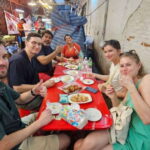
Yaowarat and the Chinese herbs market: the gold trade and the taste test
The next stretch is Chinatown around Yaowarat, where Yao Wa Rat Street feels like a jewelry-centered zone. You get the “wow” factor quickly, with long rows of jewelry and accessory shops that make the streets look like they are glowing.
But the best part is what comes next: you walk through a smaller alley and arrive at the Chinese herbs market. This is where the tour shifts gears from shiny retail to something more grounded.
And yes, you get to try the authentic herbal drink here. The drink is the memorable break in the middle of the walking. It is also a useful way to understand the neighborhood’s traditional approach to everyday wellness and remedies, instead of just treating herbs as a photo opportunity.
This stop is also around 30 minutes. That duration is important. Herbs markets can be dense, and it helps to have time for your guide to explain what you are looking at while you are not feeling time pressure.
If you are sensitive to strong flavors, you might want to start with smaller sips. Still, the whole point is that you try something local, in context, from the people selling it.
Wat Mangkon Kamalawat: the temple that ties faith and community together
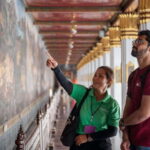
After the herbs stop, you cross Charoen Krung Street, and you go to Wat Mangkon Kamalawat. This is framed as the most important Chinese Buddhist temple in Bangkok, specifically for the Thai-Chinese community.
This segment is about 30 minutes, which is enough time to see the main temple features and also to hear the story your guide connects to the place. The key value here is interpretation. Chinatown streets can look like “just shops” if you do not know the religious and cultural anchors underneath them.
At Wat Mangkon Kamalawat, you learn how the community views belief and faith, and how that faith shows up in the neighborhood’s identity. It makes your earlier market and trade observations click into place.
If you like photos, this is a great stop for them too. Temple architecture and incense atmosphere often produce better results than you expect, especially when you arrive with a little context.
Charoen Chai community and joss paper: Lunar New Year and funeral traditions
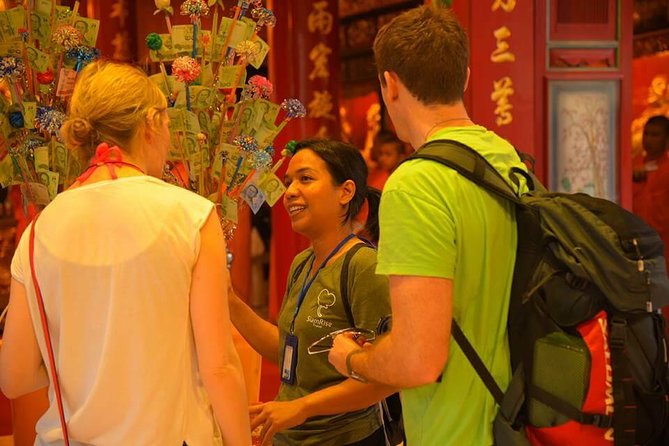
Your final neighborhood stop takes you to a community area called Ban Kao Lao Rueng – Charoen Chai Community. The walk brings you down narrow alleys off Bangkok’s oldest street, and you start seeing craftsmanship rather than just trade.
Here, people have handcrafted traditional Chinese joss paper products for over a century. The tour focuses on the items that matter during the big calendar moments:
- shiny gold and red envelopes used for gift-giving during Chinese Lunar New Year
- yellow flags and food trays connected to the annual vegetarian festival
- elaborate paper offerings linked to traditional Chinese funerals
This is the kind of stop that changes how you view what you see in Chinatown later. Once you understand that these are not random decorations but culturally specific ritual items, you start noticing the logic behind what is sold, displayed, and when.
This segment is also about 30 minutes. It is long enough to watch how items are made or arranged, depending on what you encounter at the time, and to understand why it matters.
Value and price: how $96.22 stacks up for what you actually get
At $96.22 per person for roughly 3 hours, the price can look “touristy” at first glance. But the inclusions shift the math.
You are getting:
- an English speaking guide with in-depth commentary
- water and snacks, plus coffee and tea
- an included tuk tuk ride
- bus fee and listed entrance fees for applicable stops
- travel insurance
- a mobile ticket, which keeps things simple on arrival
For Chinatown, the hidden cost is time. If you try to DIY this, you spend your energy figuring out where to stand, what you are looking at, and which temple is the right one to prioritize. A good guide saves you that friction.
Is it still worth it if you are a confident navigator? If you already know Chinatown well and you prefer free roaming, you might feel constrained. But if you want the “why” behind the markets and temples, the guide is the main value.
One more caution. One guest noted that a small local fee of 150 THB may be mentioned in some versions of the experience, covering local bus and a beverage plus support for villages. Your official inclusions may already reflect this, but it is smart to confirm what is covered in your booking details so there are no surprises on the day.
Guide quality: why this tour keeps winning people over
The guides are a huge part of why this experience scores well. The standout name that shows up is Ms. Bow, described as extremely amazing: friendly, informative, and focused on making things understandable as you walk.
One real advantage with a guide like this is pace. When the group is small, the guide can slow down at the parts that matter to you. And when you ask a question, the answer tends to be more than one sentence. People highlight that the guide explains cool things, and you get a local feel quickly.
There is also a practical angle. If you show up with a camera, you are in the right place. You will likely see scenes that look better than you expected once you know what they mean.
In at least one case, a guest even received photos taken during the tour afterward. That is not guaranteed in the details you get, but it matches the overall style: the guide helps you experience Chinatown, not just “walk you through it.”
Timing, comfort, and how to prep for street-level Bangkok
This tour runs from 1:00 pm to about 4:00 pm. In Bangkok, that can mean heat and humidity. You will be walking through markets and narrow alleys, so plan for sweaty moments.
Here is what helps:
- wear comfortable shoes with grip
- bring a light layer, because some indoor temple areas can feel cooler but not consistently so
- stay hydrated, since you are provided water but you will still want to sip often
You do not have to worry about meals, because meals are not included. You will get snacks plus drinks, but if you have a big appetite, eat before you go or plan an easy post-tour meal near the MRT stop.
If you are sensitive to noise, know that Chinatown markets are loud. The guide’s commentary helps you keep your focus, but you may still miss a few words when street activity spikes. The upside is that you can rely on visuals plus context.
Who this tour suits best
This is ideal if you:
- want a guided walk rather than a self-guided Google map sprint
- care about culture and meaning, not just shopping
- like temple stops and small-community craftsmanship
- enjoy trying a local drink in the place where it is made and sold
It is also a good fit for first-time visitors to Bangkok’s Chinatown who want to make sense of Yaowarat quickly.
If you are traveling with mobility limits, this can be harder because it is described as a walking tour through markets and alleys. Still, the experience notes that most travelers can participate. Use your own comfort level as the deciding factor.
Should you book this Bangkok Chinatown walking tour?
I think you should book it if you want Chinatown to feel guided, thoughtful, and delicious in the middle. The included tuk tuk start, the herbal drink stop, and the combination of Wat Mangkon Kamalawat plus the Charoen Chai joss paper traditions give you a broad, grounded picture of the neighborhood in just a few hours.
I would hesitate if you hate walking, dislike crowd energy, or feel you can already map Chinatown without help. In that case, you might prefer to spend the afternoon on your own and build your route around your own interests.
But for most visitors, paying for a small group plus an English-speaking guide is a smart trade. You get context, you get taste, and you leave with a Chinatown that makes sense.
FAQ
How long is the Chinatown walking tour in Bangkok?
The tour is about 3 hours.
What time does the tour start and end?
The start time is 1:00 pm and the end time is around 4:00 pm.
Where do I meet the guide?
Meet at BTS National Stadium Station, exit 2 on the street level.
Is the tour private, and how many people are in the group?
It is a private tour, and the small group size is listed as six people or fewer.
What does the tour price include?
It includes an English speaking guide, water and snacks, coffee and tea, the bus fee, entrance fees for the activities mentioned, travel insurance, and the tuk tuk ride price is included.
Are meals included?
No meals are included. Snacks and drinks are provided.
Is free cancellation available?
Yes, you can cancel for a full refund up to 24 hours before the experience starts.
The newest additions around Bangkok
- Dream World & Snow Town in Bangkok with Return Transfer & Lunch
★ 4.5 · 3 reviews - Bangkok: Nong Nooch Garden
★ 5.0 · 3 reviews - Private tour to Ayutthaya and Lopburi Monkey Temple (from Bangkok)
★ 5.0 · 3 reviews - Guided Tour of Grand Palace & Emerald Buddha Temple in Bangkok
★ 5.0 · 3 reviews - Half Day DIY Grand Palace and Emerald Buddha Temple
★ 4.5 · 3 reviews - HD-01 Koh Rattanakosin old town cycling with The Giant Swing, and more
★ 5.0 · 3 reviews - Glittering Ayutthaya Tour to Famous Sights, Market & Sunset Boat
★ 4.5 · 3 reviews - Private Tour: The Best of Bangkok Temples – Half Day
★ 4.0 · 3 reviews
Bangkok Street Food Tours, compared.
Bangkok Backstreets Food Tour with 15+ Tastings
Read our review →
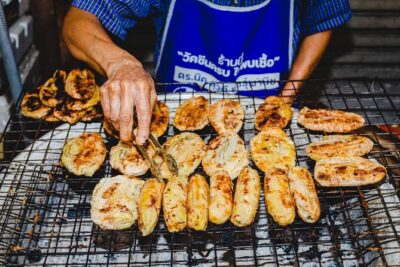
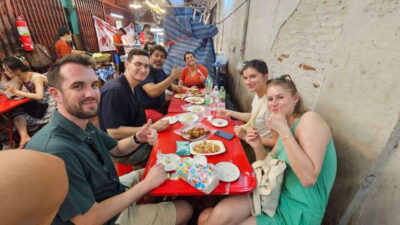
Bangkok Authentic Tasting Thai-Chinatown Walking Food Tour
Read our review →
Bangkok Tuk-Tuk Tour by Night with Chinatown Street Food Meal
Read our review →
Browse the lists this tour appears in