
Reviewed · BANGKOK FINE DINING EXPERIENCES
Bangkok: Koko Japanese Omakase
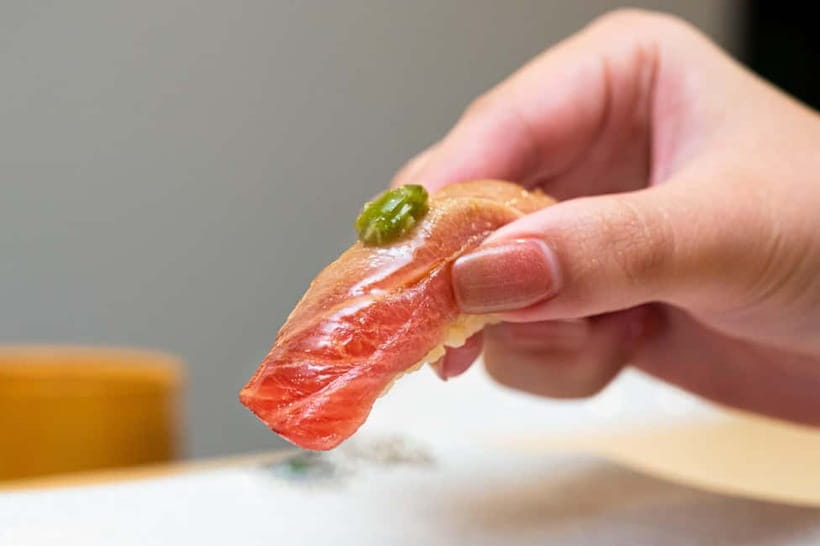
Sushi at the table, without the long wait. Koko Japanese Omakase is a compact 90-minute Japanese omakase dinner in central Bangkok, built around fresh seafood and the chef’s hands-on craft. If you like food that feels intentional, not random, this format gives you a steady sequence of dishes that you do not have to overthink.
I also like the intimate, exclusive atmosphere. It feels less like a noisy restaurant shift and more like a focused dining moment, where the staff can keep things moving and the chef can concentrate on the meal in front of you.
One possible drawback to note: the chef’s explanations can be brief, and if there are Thai-speaking diners at the table, the chef may mostly use Thai, with shorter comments when it is your turn.
In This Review
- Key points before you go
- What Koko Japanese Omakase feels like at your table
- The omakase format: why it is good value at $24
- Your 90-minute flow: what happens during the meal
- Sharing set packages for groups, how to make the most of it
- Chef skill and seafood quality: the two reasons it earns its praise
- Service and hospitality: what to expect beyond the food
- Rules you should know before you book
- Price and logistics: is $24 really the deal it sounds like?
- Who this Bangkok omakase is best for
- Should you book Koko Japanese Omakase?
- FAQ
- How long is the Koko Japanese Omakase experience?
- How much does it cost per person?
- What is included in the experience?
- Is transportation included?
- Is alcohol allowed during the experience?
- What is the cancellation policy?
Key points before you go
- 90 minutes of omakase pacing, so you get the experience without eating your whole evening away
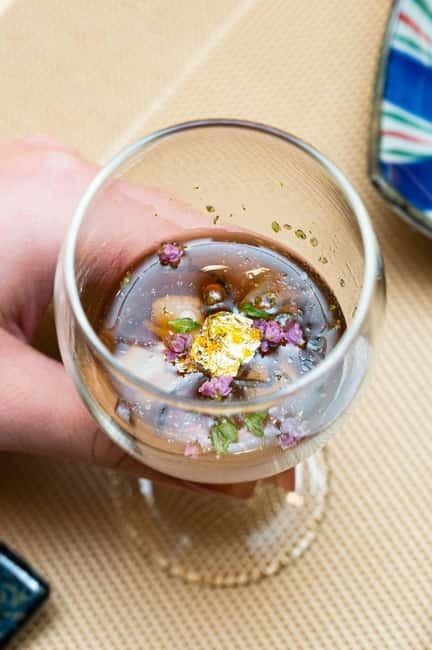
- Japanese-sourced seafood and ingredients, the core reason this is worth paying for
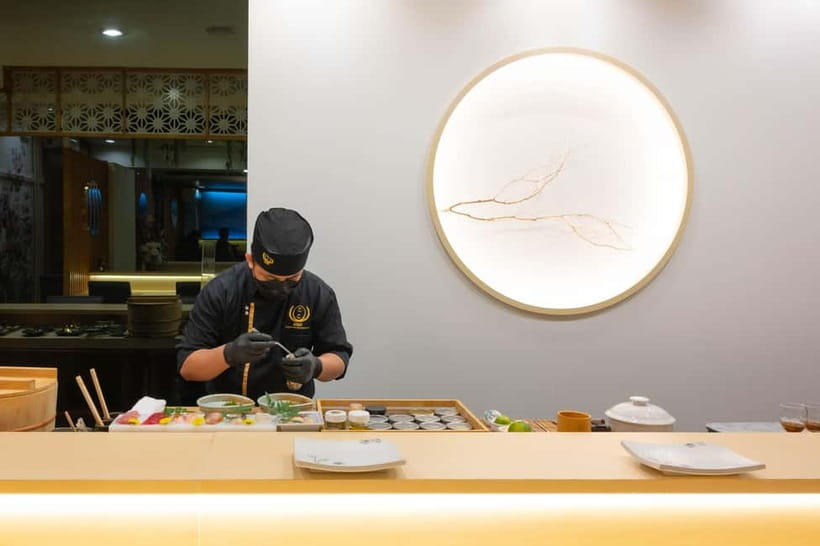
- Intimate seating, which helps you actually watch the chef work
- Sharing set packages for groups, a value-friendly way to try more variety
- Expect short explanations, especially if Thai diners are nearby at your seating
Dress up for dinner tonight
What Koko Japanese Omakase feels like at your table
Bangkok has plenty of great sushi and plenty of great Japanese food. What makes Koko Japanese Omakase different is that you are not choosing a menu item and hoping for the best. You are choosing the experience: a chef-led sequence where the kitchen decides the rhythm, and you just enjoy each handoff.
The setting matters more than you might think. The experience is described as intimate and exclusive, which usually means you are seated close enough to see technique and plating as it happens. In practical terms, that is how you avoid the classic problem with omakase-style meals in busy areas, where the chef feels distant and you spend most of the time staring at a wall menu that never arrives.
Also, the vibe is explicitly not about alcohol culture. Alcohol is not allowed, so the evening stays focused on food and the chef’s flow, not on drinking games or loud bar energy.
The omakase format: why it is good value at $24
Let’s talk money, because $24 per person in Bangkok sounds almost too simple until you understand what you are buying. You are paying for a full omakase dining experience, not just ingredients. That means someone is designing the sequence, controlling freshness, and doing the last steps right in front of you.
At this price point, the value comes from three places:
- You get chef craftsmanship instead of a self-serve plate
- You get top freshness and quality, including seafood and ingredients from Japan
- You get a timed meal that is designed for an uninterrupted 90-minute sitting
Could you eat well elsewhere for $24? Yes, probably. But you might end up with a standard à la carte meal where you are guessing what pairs with what. Here, the pairing decisions are made for you.
One more practical point: this is a sharing-friendly setup. If you go with friends, the “sharing set packages” idea can help you sample more variety without each person ordering separate pricey items.
Your 90-minute flow: what happens during the meal
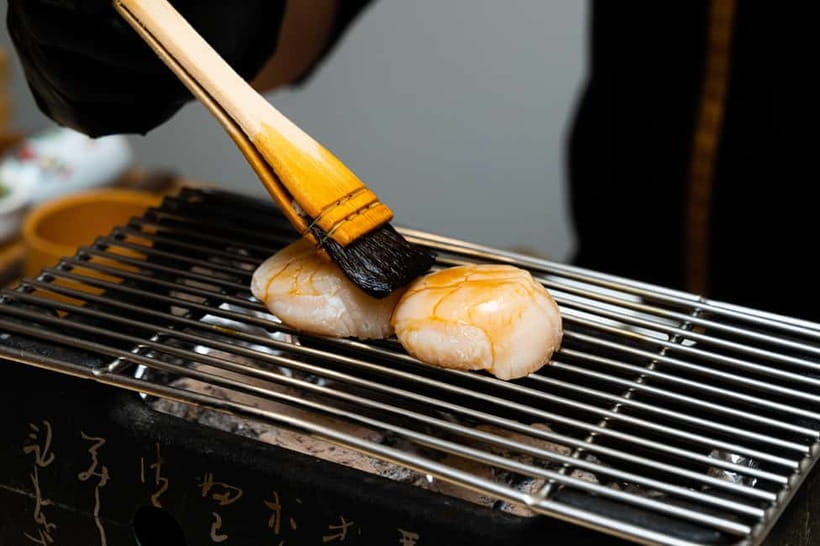
You are looking at a 90-minute experience, so I treat it like a short, focused tasting window. You do not want to arrive already hungry, but you also do not want your stomach so full from snacks that you miss the point of the early courses.
In a chef-led omakase, the main rhythm usually looks like this:
- You settle in and get served the first set of dishes.
- The chef works through a sequence, sending out each course as it is ready.
- Explanations tend to be quick, practical, and focused on what the dish is.
- The meal finishes while you still have energy, not after you are too full to appreciate the last bites.
That last part matters. When a meal is paced well, you stay present for the whole sequence, including the end. With omakase, the last dishes can be the most memorable, but only if you have not burned out halfway through.
A note on communication: one detail to plan for is that the chef’s comments may be limited. If there are Thai-speaking diners around, the chef may speak Thai at the table. When it is your turn, you might get a short identification of what you are eating rather than a long lecture. That is not a problem, just a heads-up so you do not expect a full guided tour inside your bowl.
Keep scrolling, there's usually one more worth booking.

Sharing set packages for groups, how to make the most of it
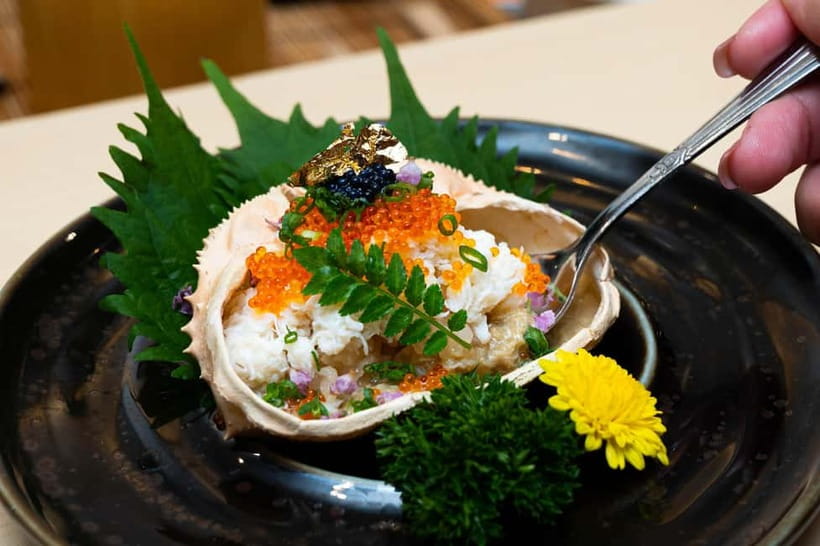
If you are coming with friends, the mention of sharing set packages is a big deal. It suggests you can build a meal that feels broader than a single-person tasting, while still keeping the quality consistent.
Here is how I’d use that information to plan:
- If your group has mixed tastes, sharing helps everyone try a bit of more than one type of dish.
- If you want to keep costs under control, sharing can be the difference between ordering extra items and staying within a set value structure.
- If you are celebrating, sharing makes it feel more like an event than a quick solo dinner.
The practical win is variety without chaos. You still get the omakase pacing, but you avoid the “everyone orders separately and half the meal never gets shared” problem.
Chef skill and seafood quality: the two reasons it earns its praise
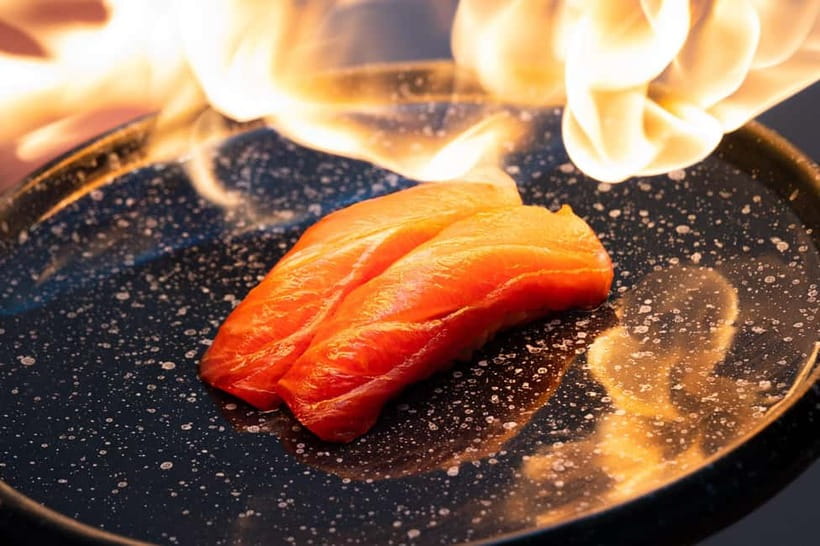
The highest praise points are straightforward: the food is described as excellent, and the experience is centered on the chef’s work. That combination is what you should look for if you want an authentic omakase moment rather than a generic sushi dinner.
When an omakase is done well, you can taste the difference in three ways:
- Ingredients taste fresh and clean, especially seafood
- Each dish seems to have a purpose in the sequence
- The kitchen does not rely on heavy sauces to cover gaps
Here, the promise is highest quality seafood and ingredients sourced from Japan. That is exactly the kind of statement that matters, because seafood quality is hard to fake. If the core seafood is strong, the whole experience feels more coherent, even if the chef’s explanation is minimal.
Service and hospitality: what to expect beyond the food
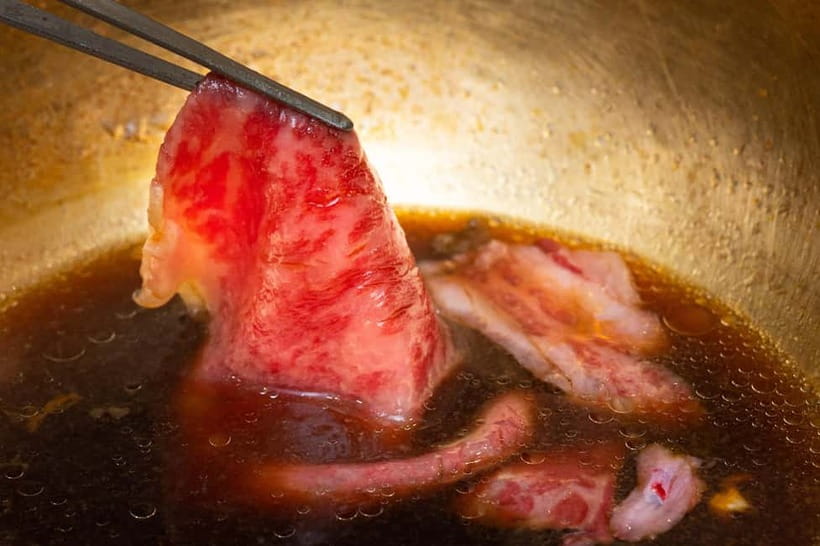
The “impeccable hospitality” line is not just marketing fluff when the meal is intimate. In a tight 90-minute window, staff need to do their jobs in the background: keeping courses moving, checking in without slowing the chef, and making sure you understand what is happening at each step.
In other words, you are not waiting around for long gaps. You are in a rhythm. If you hate long dinners, this is a plus. If you love lingering, this might feel shorter than you expect, but at 90 minutes it is still long enough to get the point of omakase.
Also, the rules around what you cannot bring matter for your comfort. No sportswear, no swimwear, no bare feet. Keep it simple: normal dinner clothes and shoes you can comfortably wear for an hour and a half.
Rules you should know before you book
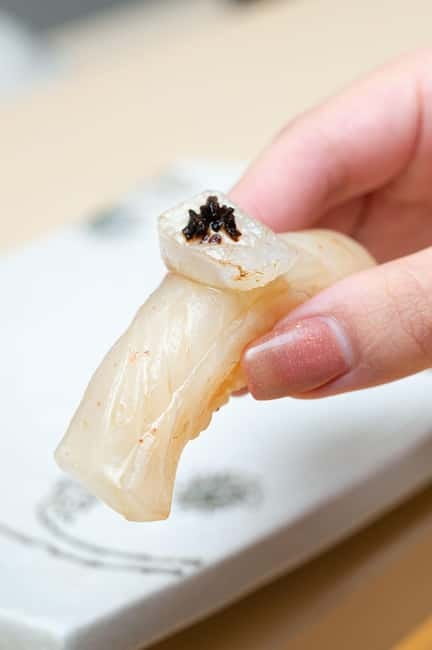
Small rules can ruin a night if you only notice them at the door. Here is what is explicitly not allowed:
- Alcohol and drugs
- Swimwear and swimming
- Sportswear
- Bare feet
- Weapons or sharp objects
None of that is surprising for a dining venue, but the alcohol restriction is the big one for many visitors. If you normally treat a restaurant as a chance to order cocktails, plan to enjoy this as a food-first experience.
Also, transportation is not included. If you are staying far from central Bangkok, budget for a ride so you do not end up late and flustered. With a timed meal, arriving on time matters.
Price and logistics: is $24 really the deal it sounds like?
At $24 per person for a 90-minute omakase, you are buying a focused experience that is priced for value, not fine-dining theater. You also need to notice what is included: exquisite omakase dining, an intimate atmosphere, masterful culinary craftsmanship, and impeccable hospitality.
So where can the “gotchas” be? Usually in three places:
- You might have to share set packages if you want the variety that feels like a true omakase
- You might get brief dish notes rather than a long tasting narrative
- You will likely enjoy it best when you treat it as a single concentrated meal, not a stop you fit around a packed schedule
Cancellation is non-refundable, so make your timing decisions carefully. If your plans are unstable, you might want a backup dinner idea lined up.
Who this Bangkok omakase is best for
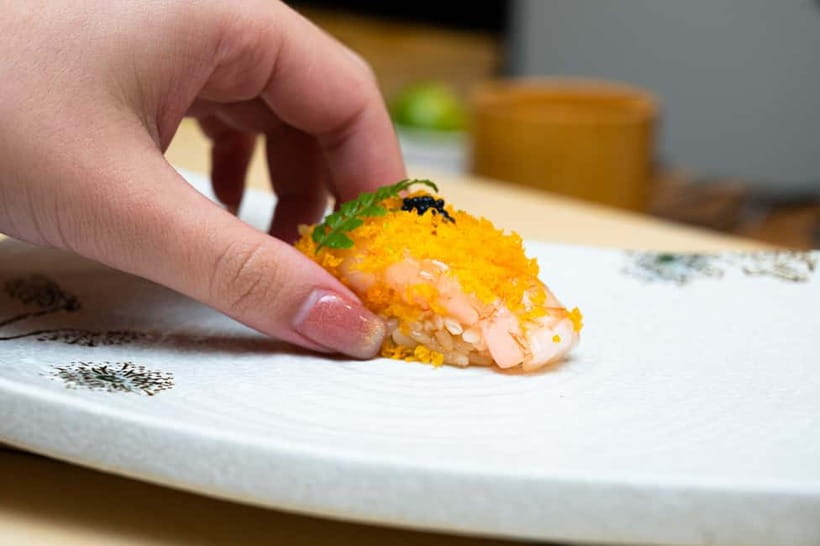
This experience is a strong match if:
- You want Japanese omakase style without turning it into a half-day event
- You care about seafood and quality ingredients from Japan
- You like meal pacing where courses arrive as they are ready
It is a less ideal match if:
- You expect long, personal storytelling for each course
- You want a full alcohol pairing as part of the experience
- You need a very casual, no-rules setting, since dress and item restrictions apply
If you are a solo diner who wants a compact tasting, you can enjoy it. If you are with a group, sharing set packages can make it feel more generous and more fun.
Should you book Koko Japanese Omakase?
I’d book it if you want a straightforward, food-forward omakase experience in Bangkok, and you like the idea of a 90-minute focused meal. The price is the hook, but the real reason is the combination of chef-led preparation and Japanese seafood and ingredients.
Before you go, do one smart check: plan for brief dish explanations and keep expectations realistic about language. If you can roll with short notes, you will enjoy the main point, the chef’s work and the quality of what lands on your table.
If you need alcohol, or you are looking for a long, conversational tasting lecture, look elsewhere. Otherwise, this is a solid value way to try omakase in central Bangkok.
FAQ
How long is the Koko Japanese Omakase experience?
The experience lasts 90 minutes.
How much does it cost per person?
The price is $24 per person.
What is included in the experience?
It includes omakase dining, an intimate and exclusive atmosphere, masterful culinary craftsmanship, freshness and quality, and impeccable hospitality.
Is transportation included?
No, transportation is not included.
Is alcohol allowed during the experience?
No, alcohol is not allowed.
What is the cancellation policy?
The activity is non-refundable.
The newest additions around Bangkok
- Dream World & Snow Town in Bangkok with Return Transfer & Lunch
★ 4.5 · 3 reviews - Bangkok: Nong Nooch Garden
★ 5.0 · 3 reviews - Private tour to Ayutthaya and Lopburi Monkey Temple (from Bangkok)
★ 5.0 · 3 reviews - Guided Tour of Grand Palace & Emerald Buddha Temple in Bangkok
★ 5.0 · 3 reviews - Half Day DIY Grand Palace and Emerald Buddha Temple
★ 4.5 · 3 reviews - HD-01 Koh Rattanakosin old town cycling with The Giant Swing, and more
★ 5.0 · 3 reviews - Glittering Ayutthaya Tour to Famous Sights, Market & Sunset Boat
★ 4.5 · 3 reviews - Private Tour: The Best of Bangkok Temples – Half Day
★ 4.0 · 3 reviews
Bangkok Fine Dining Experiences, compared.

The Speakeasy, Rooftop & Iconic Venues Pub Crawl
Read our review →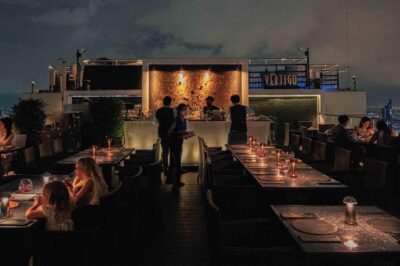

Fine Dining with Cultural Show by the Mandarin Oriental
Read our review →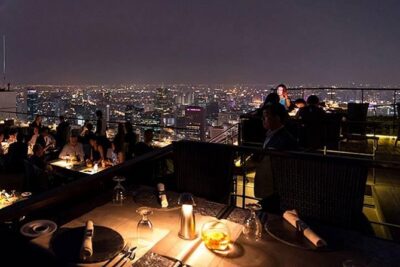
Fine Dining Experience at Vertigo Rooftop Restaurant, Banyan Tree Hotel, Bangkok
Read our review →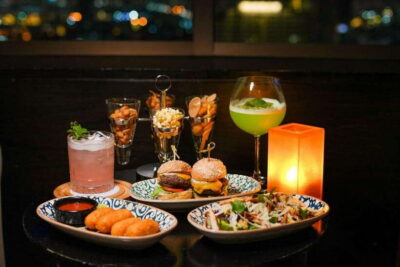
Bar.Yard Rooftop Bar Kimpton Maa-Lai F&B Packages
Read our review →Browse the lists this tour appears in