
Reviewed · HISTORICAL TOURS
Bangkok: Historic Siam and Cultural Gems Walking Tour
Bangkok rewards people who walk. This Historic Siam and Cultural Gems walking tour strings together Buddhist temples, old forts, Chinese shrines, and market districts in a way that helps you read the city like a story. You get a flexible 2-day ticket that keeps you exploring for up to 3 days after first use, plus a Vox City app to keep the momentum going with self-guided routes.
I really like how the stops feel grounded in daily life, not just big-ticket monuments. You’ll move from places like Wat Pho, with its huge collection of Buddha images, to Chinatown landmarks such as Wat Mangkon Kamalawat and Sampheng’s market streets. One practical consideration: entry tickets and getting around are not included, so you will want to budget for attraction fees and plan your own transport between clusters (even though the tour is near public transit).
In This Review
- Key highlights that make this tour worth your time
- A walking plan for people who want Bangkok to make sense fast
- Historic Siam route, from old temples to Fort Mahakan and canal history
- Wat Pho and the temple cluster that makes Bangkok feel real
- Chinatown and the Asian-math of Bangkok’s market streets
- The “Little India” flavor of Phahurat Market and Phraya-era storytelling
- Siam Square, Pratunam area shopping, and when to plan your breaks
- Flower-market Bangkok at Pak Khlong Talat
- The gold Buddha moment at Wat Traimit Withayaram Worawihan
- Extra landmark menu: Hindu shrine, UNESCO spires, palace park, and medicine history
- City era layers that connect beyond Bangkok borders
- When the walking gets real: timing, weather, and how to pace
- Price and value: why $24 feels fair, and what it does not cover
- Who this tour is best for
- Should you book this Bangkok Historic Siam and Cultural Gems walking tour?
- FAQ
- How much does the Bangkok walking tour cost?
- How long is the tour?
- Is a mobile ticket included?
- What is included with the ticket?
- Is the ticket valid for more than one day?
- Are transportation and entry tickets included?
- Are food and drinks included?
- Is the tour group size limited?
- Can I cancel and get a full refund?
Key highlights that make this tour worth your time
- Flexible ticket window: valid for 3 days from first use if you cannot do everything in the same day.
- Two guided experiences: Historic Siam plus Bangkok Cultural Gems, supported by self-guided Vox City walks.
- Vox City app included: free access with 7 self-guided walking tours and audio commentary in 5 languages.
- City layers in one plan: Buddhist, Chinese, Hindu, and royal history, plus markets and parks.
- Temples plus everyday streets: you see places to pray and places to shop, eat, and browse.
- Capped group size: maximum of 99 travelers, with a focus on guided pacing.
More Bangkok than the guidebooks cover
A walking plan for people who want Bangkok to make sense fast
I like Bangkok best when it stops feeling like random neighborhoods and starts feeling like connected chapters. This tour works because it links sights across time periods and cultures, from older Bangkok fortifications and canals to Chinatown’s Chinese temples and market life.
The pacing matters, too. Even though you are looking at stops that cover a lot of ground, the guided format is built for a typical 1 to 2 hour walking window per session. If you miss a day or squeeze in your schedule, the ticket flexibility keeps you from feeling locked in.
And yes, the guided experience is designed to be supported by tech. You get a Vox City app included with your ticket, plus audio commentary in 5 languages. That means you can keep learning even after you step away from the group.
Historic Siam route, from old temples to Fort Mahakan and canal history
Old Bangkok is not just about impressive buildings. It is also about the layout, the waterways, and the way faith shaped daily movement. This tour starts by leaning into the “where the city grew from” angle.
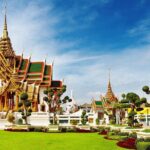
You begin with Old Bangkok’s Buddhist temples, including one with an ornate marble exterior and a gold Buddha. The point here is simple: Bangkok’s religious life is not a separate sightseeing category. It is integrated into the architecture and the streets around it.
Then you cross Pi Kun Bridge, a pedestrian overpass across Khlong Khu Mueang Doem, also known as Khlong Lot or the tube canal. Walking over it is a good reminder that Bangkok’s identity is tied to canals and water management, not only to what you see from street level.
Fort Mahakan is next, built in the 18th century and described as one of Bangkok’s oldest structures. When you stop at forts like this, you start to notice how defensive space and religious space often shared the same broader urban story. It also helps that the tour frames it in a timeline you can follow later when you look up at newer buildings.
One more “practical history” stop fits here: Rommaninat Park. It is a park now, a place to pause among flowers, plants, and trees. But it also connects to the old Bangkok prison, which has been turned into a museum about Thailand’s prison system. It is a reminder to pack a respectful mindset, since a calm park can also carry heavy context.
Wat Pho and the temple cluster that makes Bangkok feel real
If you only visit one temple complex in Bangkok, Wat Pho is the one that earns the time. In this tour plan, it is a core stop, and the details are why it is so memorable: the complex includes more than 1,000 Buddha images and statues, with the famous reclining Buddha (Phra Buddha Saiya).
You do not just see one highlight. You experience the sheer density of Buddhist art and ritual space. That density is the thing most people miss when they do temples as quick photos. A guided stop helps you understand what you are looking at, and why it matters in Thai religious life.
This is also where you’ll feel the value of an audio guide. Temples have rhythms, not checklists. Even if you only spend a short time in the area, audio commentary can fill in what you might otherwise skip, especially if you do not read Thai signage.
If you are comparing temple styles in your head, use this stop as your anchor. From here, the tour’s Chinese and Hindu sites start to feel less like random side trips and more like different faith languages speaking across Bangkok.
Old Bangkok, block by block
Chinatown and the Asian-math of Bangkok’s market streets
Bangkok’s Chinatown is not a single attraction. It is a mood, a pace, and a set of streets where shopping is the default activity. This tour includes several Chinatown-adjacent touchpoints that help you understand the neighborhood as a living system.
You will visit Wat Mangkon Kamalawat, noted as the largest and most important Chinese temple in Bangkok, established in 1871 and originally named Wat Leng Noei Yi. This is a strong choice because it links architecture, community identity, and the historical Chinese presence in the city.
Then you move to Chinatown’s market streets, including Sampheng, described as a historic neighborhood and market in Bangkok’s Chinatown. This is where you see how shopping and daily errands blend with religious life and neighborhood history.
The Chinatown Gate is another smart stop. It is described as an enormous red Chinese gate that functions as a roundabout and marks the center of Chinatown, with plaques that carry history about the Chinese community. Even if you are not into architecture, standing there helps you orient yourself.
You also get a fun change of pace at Talat Phlu, a neighborhood centered around a railway station surrounded by food stalls and shophouses. It is not framed as a museum stop, and that is the point. This is Bangkok as it works between the tourist highlights.
The “Little India” flavor of Phahurat Market and Phraya-era storytelling
One reason I like a multi-culture route is that it keeps Bangkok from turning into one note. This plan brings in Phahurat Market, also known as Bangkok’s Little India, described as the focal point of Indian life in the area.
You get to see a neighborhood where shops and streets feel different from the Chinese and Thai-dominant areas. Even if your route does not include a formal guided market tasting, being there helps your brain lock into what “Bangkok” means beyond temple signage.
Then the tour shifts back toward Thailand’s historical narrative with Museum of Siam. It is described as Thailand’s first national discovery museum, established in the mid-2000s. A museum stop like this is valuable because it gives you context for why the temples and monarchy-era landmarks are arranged the way they are in Thai history.
There’s also King Prajadhipok Museum, housed in an early 1900s neoclassical mansion. This museum tells the life of King Prajadipok (Rama VII), including Thailand’s transition from outright monarchy to constitutional monarchy in 1932. If you feel like Bangkok’s political history is a blur, this stop gives you a human timeline instead of dates floating in the air.
Siam Square, Pratunam area shopping, and when to plan your breaks
This tour also includes modern Bangkok waypoints. That can feel like a weird mix next to temples, but it is actually useful. Bangkok is not frozen in time, and your “cultural gems” are not only ancient.
Siam Square is on the list, described as a mix of massive malls and lanes upon lanes with street vendors. If you treat it like a break stop, it is easy to do without getting lost in consumer mode. You can rest your feet, reset your phone battery, and pick up light snacks on your own.
Krungthong Plaza is another shopping centre listed nearby, along with City Complex Pratunam and close to Hong Gi Seafood. These stops give you a practical option if weather turns hot or rainy.
If you want an extra shopping-adjacent structure to your day, Kuai Chap Uan Photchana is mentioned as a Michelin-rated street food restaurant. It is known for kuai chap soup and taco-style dishes, with vegetarian options. Since food and drinks are not included, I treat this kind of stop as “plan your one treat.” Do it once, then keep walking.
Flower-market Bangkok at Pak Khlong Talat
If you want an instantly recognizable Bangkok scene, Pak Khlong Talat is it. The tour includes this flower market, described as one of the most popular in Bangkok and open 24/7.
It sells fruits and vegetables, but flowers are the star. Coming here during the early morning can feel like stepping into Bangkok’s everyday celebration rhythm. The guided context helps because flower markets are not just for tourists buying bouquets. In Thai life, they connect to offerings, ceremonies, and daily respect.
If you are the type who gets overwhelmed by crowds, treat this as your “breathe and look” stop. Your job is not to buy everything, it is to observe how Bangkok turns commerce into ritual.
The gold Buddha moment at Wat Traimit Withayaram Worawihan
Some Bangkok stops punch through your attention span because they are visual proof of a scale of wealth and craftsmanship you cannot fake.
Wat Traimit Withayaram Worawihan is one of the most visited temples in Bangkok, known for hosting the world’s largest golden Buddha statue made of solid gold. The numbers are staggering: 5.5 tonnes, and about 3 meters tall.
If you have ever seen gold statues that look like replicas, this one hits differently. It is not subtle. A guided stop helps you understand why people line up and what to look for, instead of treating it like a quick photo stop.
Extra landmark menu: Hindu shrine, UNESCO spires, palace park, and medicine history
Not every stop in this tour list is a temple. That is a good thing, because Bangkok’s story includes belief, power, art, and also modern imports.
Erawan Hindu shrine is a major landmark in central Bangkok. It was built in 1956 to ward off bad luck from a hotel built nearby. It is one of those places where you notice how superstition and daily life overlap in a modern city.
Wat Ratchanatdaram is listed as a UNESCO World Heritage Site and is described as featuring 37 bronze golden spires, plus the Royal Reception Pavilion and three minor pavilions right next to it. Even if you do not catch every detail, the overall geometry makes it easy to understand why it has international recognition.
Wat Sa Ket is another standout on the list. It sits on top of a 75 meters (246 ft) artificial hill. The temple building is described as golden bell-shaped, and the interior has vibrant colored walls, detailed paintings, and miniature sculptures. This is a stop you will feel in your legs and then in your eyes, so plan it when you have energy.
Right near Wat Suthat, the Giant Swing is included. The swing is described as a massive religious structure situated in front of Wat Suthat, one of the oldest and most impressive Buddhist temples in Bangkok. If you only know Wat Suthat by name, this swing gives you a more direct visual hook.
Saranrom Palace Park is a quiet contrast. It was once an outdoor relaxation area reserved for members of the Thai Royal Family and is described as a park with rare native plants, centuries-old trees, colorful flowers, and memorials. It is a good place to slow down, especially after busy market streets.
For something unusual, the Berlin Pharmaceutical Museum pays tribute to Western-style medicine introduced to Bangkok in the 1700s and commemorates Dr Chai Chaiyanuwat’s work. It is located in the exact building where he had his medical practice. It is not a typical walking-tour stop, and that is why it works. It expands your idea of what “history” can look like in Bangkok.
City era layers that connect beyond Bangkok borders
Some items on the route list point to Thailand’s older capitals and architectural patterns, which is helpful if you like connecting dots.
For example, the tour mentions Drum Tower as one of the first buildings in Bangkok’s new city capital, with architectural elements combining Chinese and Thai styles, modeled after the drum tower built during the Ayutthaya period. That kind of explanation makes it easier to see Bangkok as a continuation of older Thai kingdoms.
It also references Wat Racha Burana as a restored ruin of a monastery located on the city island in the Historical Park of Ayutthaya. Even if you are not physically doing a day trip, the storytelling approach still helps you understand how Thai temples carry motifs and institutional memory across time.
When the walking gets real: timing, weather, and how to pace
Because this is a walking-based experience, you will get more value by treating it like a day plan you manage, not a checklist you race through.
Plan for heat, especially if you are doing temples and markets back-to-back. Bring water, even though food and drinks are not included. Wear comfortable shoes, because some stops require stairs and hill climbs, like Wat Sa Ket on its raised hill.
Also, this tour list includes very different neighborhoods. Chinatown and market streets can be crowded. That’s part of the point, but it affects how long each stop takes in real life.
One more pacing note: the tour duration is listed as about 1 to 2 hours. That means the guided portion likely focuses on orientation, key stories, and standout details, not unlimited time in every building. Use the Vox City app to extend your learning on your own after the walk.
Price and value: why $24 feels fair, and what it does not cover
At $24 per person, you are paying for guided walking segments and the included Vox City app with self-guided tours and audio commentary in 5 languages. That is the core value.
What is not included matters: transportation, entry to attractions, and food and drinks. So if you are comparing this to a “tour that includes everything” package, it might look cheaper on paper and then reveal extra costs on the ground.
Still, this is a smart way to control your budget. You can choose where to pay for entry, decide how much to spend on meals, and keep transport flexible based on your hotel location.
The tour also caps group size at 99, which usually helps keep the vibe from getting out of hand, even when big sightseeing zones get busy.
Who this tour is best for
This tour fits best if you want more than a set of photos. You want context for why temples, forts, shrines, and markets sit where they do in Bangkok.
It is also a good choice if you like mixing culture types: Buddhist temples like Wat Pho, Chinese temple life like Wat Mangkon Kamalawat, and Hindu landmarks like Erawan. The Museum of Siam and King Prajadhipok Museum stops make it especially appealing if you enjoy history that includes politics and the shift to constitutional monarchy.
It might be less ideal if you need fully seamless logistics. You will handle your own transportation, and entry fees will come up at some attractions.
And one caution: an entertainment complex described as a red-light district and adult playground is listed in the route information. If you are traveling with kids or want to avoid that type of area, you’ll want to plan your day accordingly.
Should you book this Bangkok Historic Siam and Cultural Gems walking tour?
I would book it if you want a structured way to see a lot of Bangkok culture without paying for a pile of separate tours. The flexibility of a 2-day ticket that stays valid for 3 days is a real help when Bangkok’s heat and crowds shuffle your timing.
Book it if you like walking with guidance, but also want freedom afterward. The included Vox City app, with 7 self-guided tours and audio in 5 languages, lets you keep learning at your pace.
Skip it if you want a package that handles every entry fee and every ride. This plan assumes you will plan around paid attractions and you will eat on your own.
If you want a strong day where Bangkok’s faiths, markets, and street life are connected into one storyline, this is a solid pick for your first time, or your best “second pass” through the city.
FAQ
How much does the Bangkok walking tour cost?
It costs $24.00 per person.
How long is the tour?
The duration is listed as about 1 to 2 hours.
Is a mobile ticket included?
Yes, the tour includes a mobile ticket.
What is included with the ticket?
You get the Historic Siam walking tour and the Bangkok Cultural Gems walking tour, plus the Vox City app with 7 self-guided walking tours and audio commentary in 5 languages.
Is the ticket valid for more than one day?
Yes. It is valid for 3 days from the first use.
Are transportation and entry tickets included?
No. Transportation and entry to attractions are not included.
Are food and drinks included?
No. Food and drinks are not included.
Is the tour group size limited?
Yes. The maximum number of travelers is 99.
Can I cancel and get a full refund?
Yes. Free cancellation is available, and you can cancel up to 24 hours in advance for a full refund. If you cancel less than 24 hours before the start time, the amount paid is not refunded.
The newest additions around Bangkok
- Dream World & Snow Town in Bangkok with Return Transfer & Lunch
★ 4.5 · 3 reviews - Private tour to Ayutthaya and Lopburi Monkey Temple (from Bangkok)
★ 5.0 · 3 reviews - Bangkok: Nong Nooch Garden
★ 5.0 · 3 reviews - Guided Tour of Grand Palace & Emerald Buddha Temple in Bangkok
★ 5.0 · 3 reviews - Half Day DIY Grand Palace and Emerald Buddha Temple
★ 4.5 · 3 reviews - HD-01 Koh Rattanakosin old town cycling with The Giant Swing, and more
★ 5.0 · 3 reviews - Glittering Ayutthaya Tour to Famous Sights, Market & Sunset Boat
★ 4.5 · 3 reviews - Private Tour: The Best of Bangkok Temples – Half Day
★ 4.0 · 3 reviews
Historical Tours, compared.
UNESCO’s Ayutthaya Historical Park: Full-Day Tour from Bangkok
Read our review →
Historical City of Ayutthaya – Unesco Full Day Tour From Bangkok
Read our review →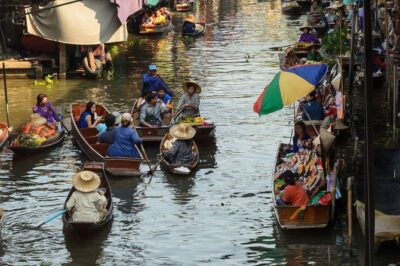
Private Excursion to Floating Market and Ayutthaya World Heritage
Read our review →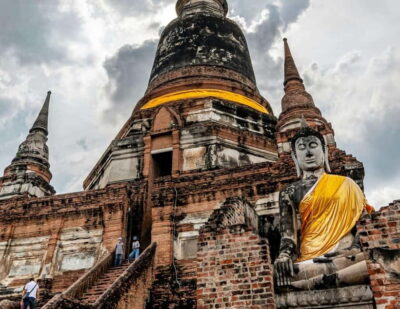
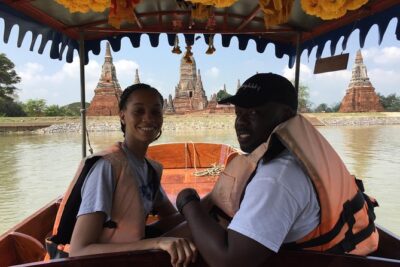
Private Excursion to Ayutthaya, UNESCO World Heritage site with Boat Tour
Read our review →
River Kwai Day Tour from Bangkok – History, Scenery & Culture
Read our review →Browse the lists this tour appears in