Reviewed · FOOD
Bangkok: Cook authentic Thai food with Smart Cook
Bangkok’s old-city cooking scene hits different. In Smart Cook Bangkok, you get a hands-on class with menu choice, not a fixed script. I love the chance to learn Thai herbs and spices you can reuse at home, and I like the small-group feel that keeps the teaching practical. One possible drawback: this is about cooking work, so it is not the best pick if you want a mostly sightseeing day.
You also cook in a traditional 100-plus-year teak-wood home with an indoor and outdoor kitchen setup, which makes it feel lived-in rather than staged. You finish with an online PDF recipe book, so the dishes are not just a one-day memory.
In This Review
- Key Highlights I’d Put on Your Shortlist
- Getting Oriented in Bangkok Old City, Starting at the Giant Swings
- The Teak-Wood Home and the “Indoor Outdoor” Kitchen Setup
- Meeting Your Instructor, and Why the Small Group Really Works
- Thai Herbs, Spices, and Fresh Ingredients You Can Repeat at Home
- Your Menu Choice: Spring Rolls, Stir-Fries, and Soups
- Everyone Makes Deep Fried Spring Rolls
- Stir-Fry Options: Fried Rice, Pad Thai, and Holy Basil Chicken
- Soup Options: Hot and Sour, Coconut Milk, and Local Styles
- Green Curry Paste to Curry: Pha Naeng and Kao-soi Included
- Sticky Rice With Mango: The Sweet Finale That’s Actually Useful
- Taking the Skills Home With a PDF Recipe Book
- Price and What You’re Really Paying For
- Practical Tips Before You Go (So You Enjoy the Cooking)
- Who Should Book This Bangkok Smart Cook Class
- Should You Book Smart Cook Bangkok?
- FAQ
- Where is the meeting point for Smart Cook Bangkok?
- How long is the cooking class?
- How many people are in the group?
- Is the instructor English-speaking?
- Can I choose what dishes to cook?
- What dishes are included in the cooking experience?
- What is included in the price?
- What should I bring, and what is not allowed?
- Is the class suitable for young children?
Key Highlights I’d Put on Your Shortlist
- Small group of up to 7 so you can actually get help while you cook
- English instruction with a teacher who guides step-by-step
- Choose your own dishes, from spring rolls to Pad Thai, curry paste, and soup options
- Curry paste to curry, including green curry paste, Pha Naeng, or Kao-soi options
- Thai-family style cooking in a real neighborhood setting, near the Giant Swings
- PDF recipes online so you can repeat the food at home
Plenty else to do around Bangkok
Getting Oriented in Bangkok Old City, Starting at the Giant Swings
This class starts close to the big Bangkok landmark, the Giant Swings. You walk into the Trok Turk Din alley area, about 100 meters, which is a nice way to get your bearings without a complicated transfer. In practice, that close-by meeting point matters. It means you can keep your morning or afternoon loose, then still arrive on time without stress.
Once you’re there, you’re not dropped into a generic cooking studio. You’re heading into a traditional Thai home that is over 100 years old, built with teak wood. That detail changes the vibe. It feels like you’re visiting a real community space, not only doing a paid activity.
The Teak-Wood Home and the “Indoor Outdoor” Kitchen Setup
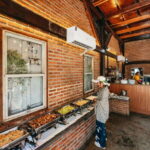
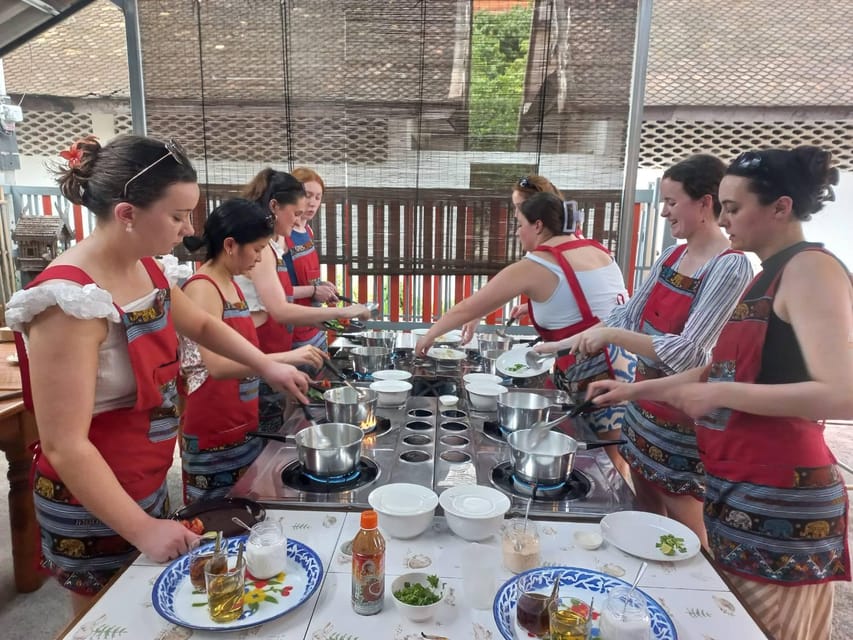
One of the best parts is where the cooking happens. The kitchen is described as indoor and outdoor, so you’re not stuck in a windowless room. That helps you move around during active cooking, and it also makes the experience feel more everyday and local.
The home itself is the star background. Teak wood has a distinct warmth, and the place has that lived-in calm you get in older Bangkok houses. You also spend time in a very Thai friendly community in the heart of the old city, which is exactly what you want when the rest of your trip is probably full of major temples and busy streets.
Practical note: since it is hands-on, wear comfortable clothes you can move in. Cooking classes can get a little messy, even when the kitchen is kept tidy.
Meeting Your Instructor, and Why the Small Group Really Works
The instructor is English-speaking, and in the feedback you’ll see the same theme again and again: the teacher is patient, practical, and able to keep everyone cooking confidently. In particular, the instructor is named Snow White in multiple accounts, and it’s clear the class is shaped around her teaching style.
That matters because Thai cooking is all about technique, not just ingredients. When you are making curry paste, frying, or building stir-fries, you do not want vague tips. You want someone to correct your grip, your timing, and your flavor balance while you’re still in the process.
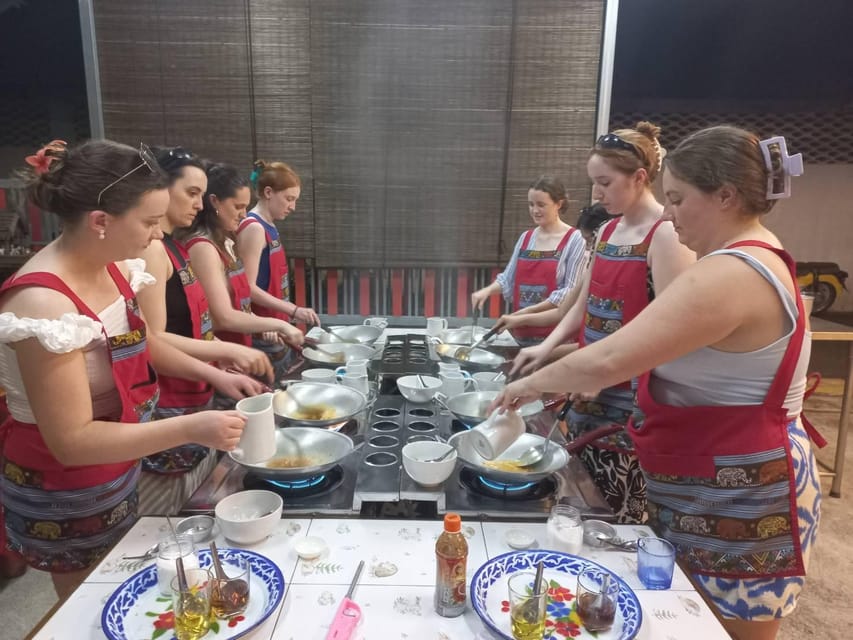
With a group limited to 7 participants, it stays interactive. You’re not waiting in line for attention. You’re also not in a class where you spend most of the time watching. Reviews mention hands-on work across multiple dishes, and that is what you should expect from this group size.
Keep scrolling, there's usually one more worth booking.



Thai Herbs, Spices, and Fresh Ingredients You Can Repeat at Home
Before you start assembling plates, you get real instruction on the backbone of Thai flavor: Thai herbs, spices, and key ingredients. This is not only about naming what you see. The focus is on understanding what each ingredient does and how it fits into a healthy Thai meal.
The ingredient piece is a big value driver. A lot of cooking classes give you the final taste but do not explain the building blocks. Here, the learning is set up so you can look at your pantry later and think, I know what this does, and I know how to use it.
You also get hands-on time with vegetables and ingredient prep. That helps you see that Thai food is not only about heat or sauce. It is about balance, freshness, and using the right parts of ingredients at the right moment.
Your Menu Choice: Spring Rolls, Stir-Fries, and Soups
A major plus is that you do not get forced into a single menu. You choose among several dish options, then cook based on your picks. That makes the class feel personal, even though it’s still structured.
Everyone Makes Deep Fried Spring Rolls
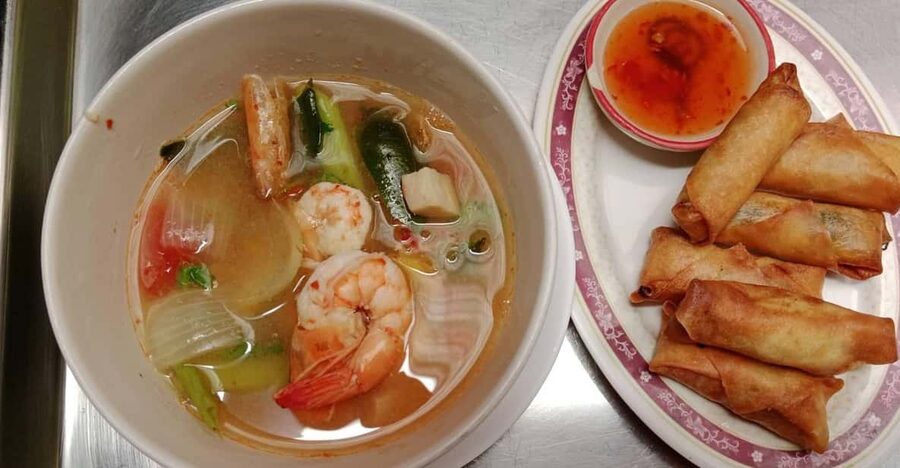
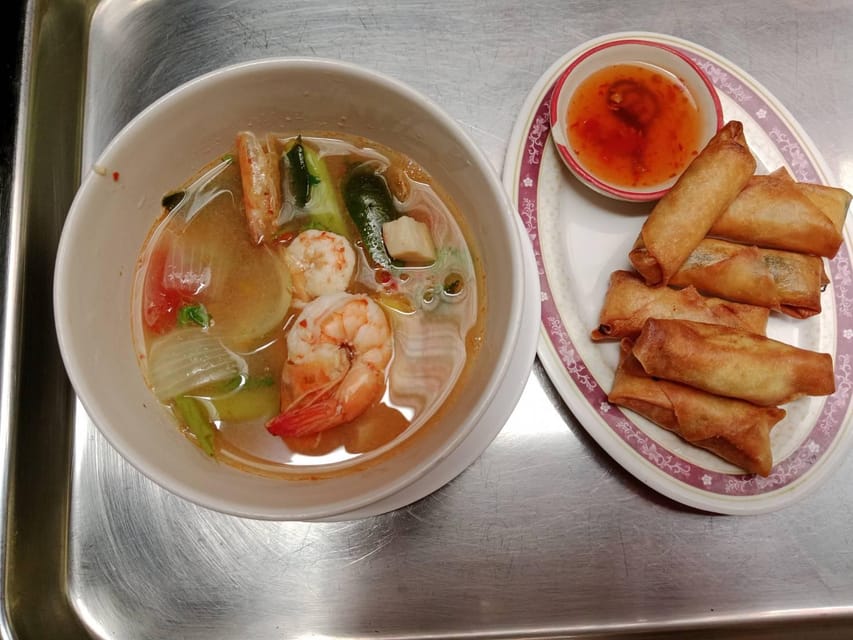
Spring rolls are included for everyone. It’s a smart “shared baseline” dish because it teaches timing and frying technique early. When you’ve handled one frying task confidently, the rest of the cooking day feels less intimidating.
Stir-Fry Options: Fried Rice, Pad Thai, and Holy Basil Chicken
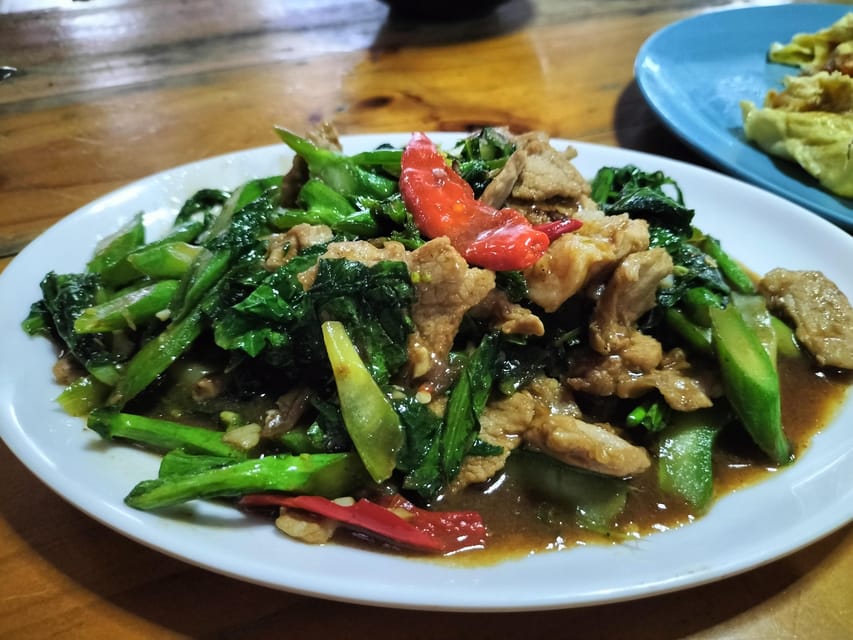
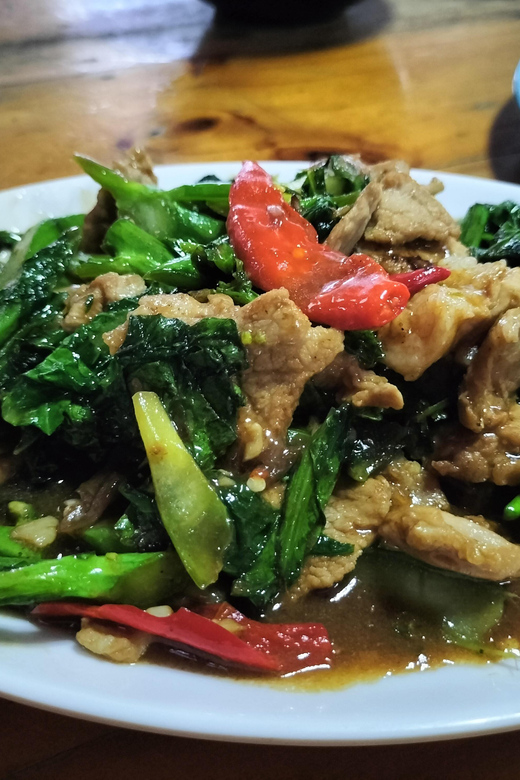
For stir-fry, you can choose between fried rice with chicken, Pad Thai, or fried chicken with holy basil. This is a practical selection because it covers three common Thai flavor paths: wok-style fried rice, noodle-making structure, and basil-forward aroma.
If you’re thinking ahead to home cooking, these choices also map well to what you’ll actually be able to recreate. You’ll learn how the dish comes together quickly, and that is useful even if your kitchen gear is not identical to a Thai cooking setup.
Soup Options: Hot and Sour, Coconut Milk, and Local Styles
You also get soup choices, including hot and sour prawns soup, chicken in coconut milk soup, or local hot and sour chicken soup. Soups are a great place to learn how Thai flavor works with liquid bases. You can also taste how seasoning changes depending on whether the base is coconut milk or a hot and sour profile.
Green Curry Paste to Curry: Pha Naeng and Kao-soi Included
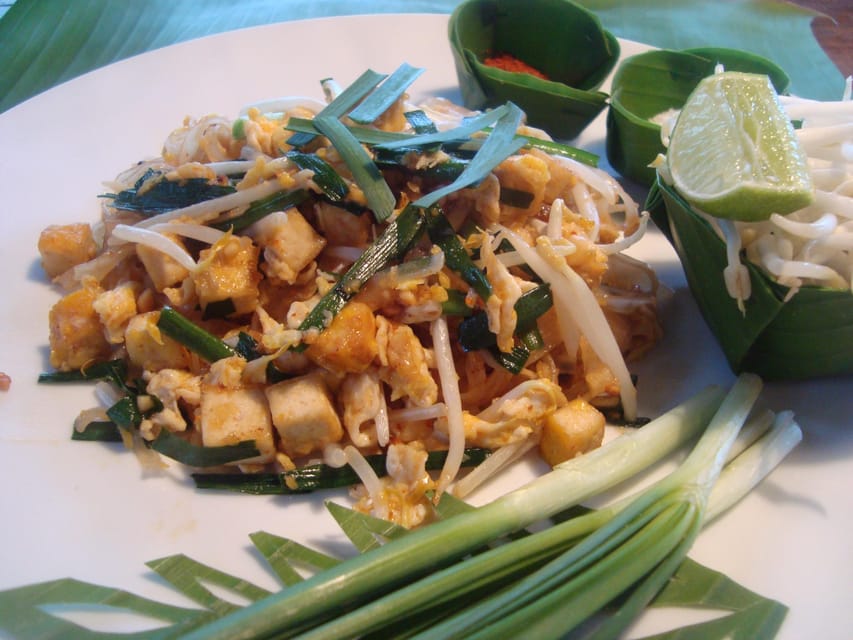
Curry is where many cooking classes either stay superficial or become genuinely valuable. Here, you’re making paste. That’s the difference.
You’ll learn to make green curry paste, and you can choose to make paste for Pha Naeng or Kao-soi curry as well. Then you move from paste to finished curry, cooking green curry, Pha Naeng, or Kao-soi with chicken as your choice.
Why this matters for your money and your future meals: curry paste is the engine of the dish. If you know how paste is built and how it behaves, you can adjust flavors later. Without that step, curry often becomes a one-time mystery that only tastes right when you buy the paste pre-made.
This portion is also where you get the most “I did that” satisfaction. Reviews repeatedly mention feeling proud after cooking multiple dishes, and curry paste is usually the ingredient-heavy, technique-forward part that creates that confidence.
Sticky Rice With Mango: The Sweet Finale That’s Actually Useful
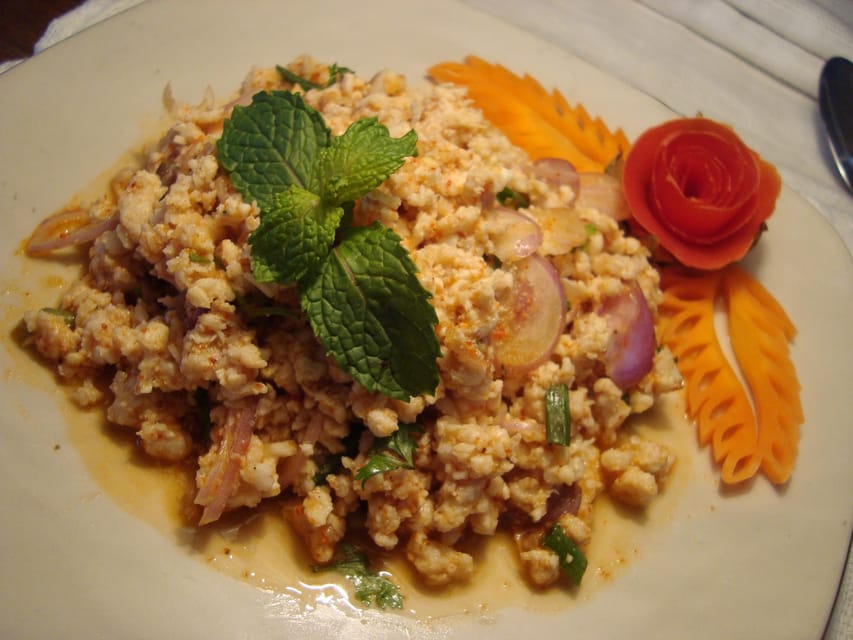
You end with a Thai dessert-style staple: sweet sticky rice with mango. This is a nice finishing dish because it’s straightforward compared to some desserts, but it still teaches how Thai sweets are built around texture and ingredient timing.
If you’ve only had mango sticky rice from restaurants, cooking it yourself gives you a clearer sense of how to get the rice and sweetness right. It’s also a crowd-pleaser for sharing back home, which is a real payoff after a hands-on day.
Taking the Skills Home With a PDF Recipe Book
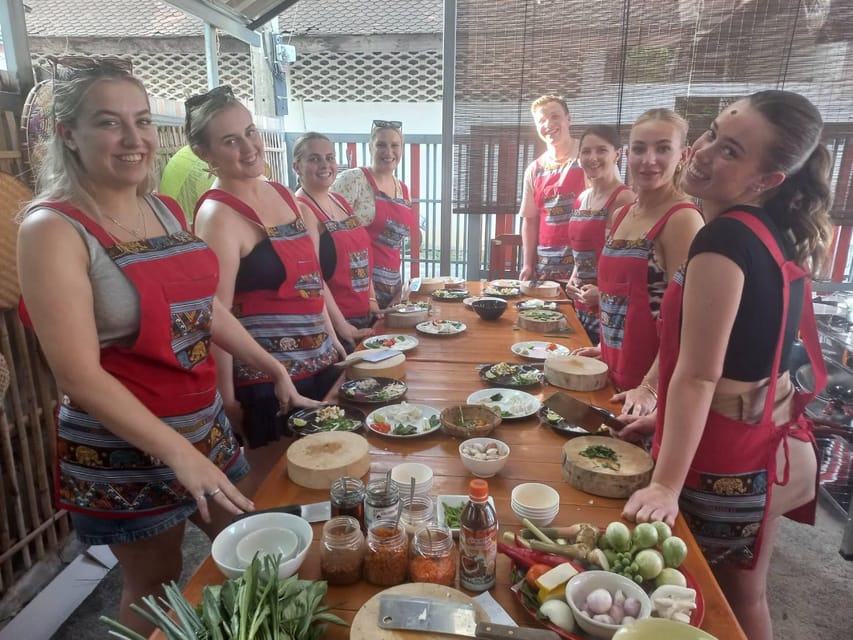
You’ll get a recipe book in PDF version online after the class. This is one of those “quiet value” items that pays off later.
A physical page can be lost. A digital recipe is easier to keep and revisit when you’re shopping for ingredients. Since the class is designed around Thai herbs, spices, and ingredient usage, the PDF helps you connect what you learned to what you’ll do again at your kitchen counter.
Also, since you choose your own menu items, the recipe download is more likely to match what you actually cooked. That’s a big deal for usefulness.
Price and What You’re Really Paying For
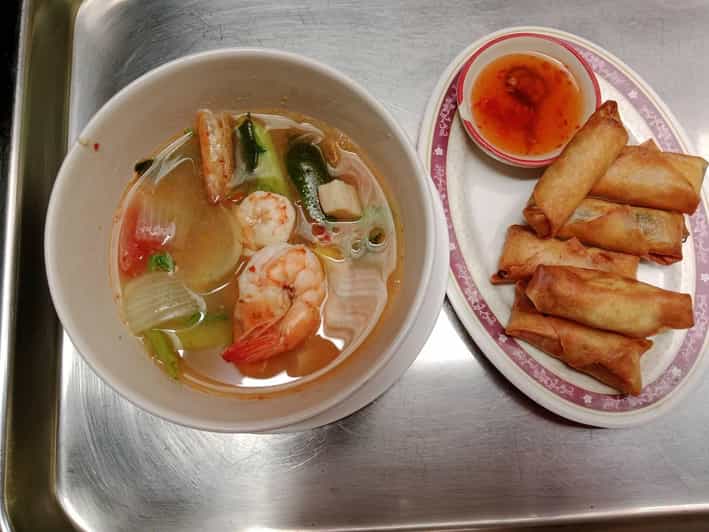
The price is $41 per person for a 210-minute experience. At first glance, it might sound like a standard cooking class cost. But the value is tied to a few things you should pay attention to.
You get:
- a small group capped at 7
- instruction in Thai herbs, spices, and ingredient use
- a traditional teak-wood home setting in the old city
- hands-on cooking across multiple menu options
- a PDF recipe book afterward
- a return trip to your hotel after wrap-up
In other words, you’re paying for more than food prep. You’re buying instruction, time with a real Thai cook, and the ability to repeat the dishes later without guessing. If you like learning by doing, this is exactly how you should spend a travel day.
Alcohol is not included, and alcohol is not allowed. So if you were planning to treat this like a dinner with drinks, you’ll want to rethink that part.
Practical Tips Before You Go (So You Enjoy the Cooking)
Here’s how to prepare so the day stays fun instead of stressful.
Wear comfortable clothes. You’ll be moving, standing, and cooking. Choose something you can handle getting a bit splashed or stained.
Bring patience for the pace. Even with a small group, curry paste and frying steps take time. You’ll likely get a lot of hands-on attention, but cooking is never instantaneous.
And if you’re sensitive to food restrictions, note the class does not allow alcohol and drugs. You also should skip this if you’re bringing kids under 7, since it is not suitable for children below that age.
Who Should Book This Bangkok Smart Cook Class
This is ideal for:
- food lovers who want more than tasting, they want technique
- couples or small groups who prefer calmer instruction over crowds
- visitors who want a local-feeling day in the old city, not just restaurant dining
- anyone who wants a repeatable skill, curry paste and all
If you’re traveling with a cooking-curious friend, this is also a great shared activity. One person can ask questions, the other can focus on timing, then you trade roles as you go.
If your day is already packed with temples and markets, this is still a strong choice. It gives you a real break, because it’s structured and productive.
Should You Book Smart Cook Bangkok?
I’d book it if you want a hands-on Thai cooking day that includes real ingredient learning, real curry paste work, and a menu you can tailor to your taste. The setting in a teak-wood home in the old city adds a level of authenticity that a typical cooking shop cannot match.
I would not book it if you are mainly looking for sightseeing or you want a relaxed, sit-and-watch experience. This class is built for making, tasting, and learning as you cook. It’s also not an alcohol-included dinner, so plan accordingly.
If you like practical skills and you want your Bangkok trip to come with a takeaway you can use, this is a smart pick.
FAQ
Where is the meeting point for Smart Cook Bangkok?
You meet from the Giant Swings area, then walk to the Trok Turk Din alley about 100 meters.
How long is the cooking class?
The experience lasts 210 minutes.
How many people are in the group?
It is a small group, limited to 7 participants.
Is the instructor English-speaking?
Yes, the instructor teaches in English.
Can I choose what dishes to cook?
Yes. You select from a menu of dishes, including options like spring rolls, stir-fries, soups, curry paste and curry, and sweet sticky rice with mango.
What dishes are included in the cooking experience?
You can expect to cook deep fried spring rolls, stir-fry choices such as fried rice with chicken, Pad Thai, or holy basil chicken, soup choices such as hot and sour prawns or coconut milk chicken, curry paste and curry options (green curry, Pha Naeng, or Kao-soi with chicken), and sweet sticky rice with mango.
What is included in the price?
The tour includes Thai herbs and spice learning, time in a traditional over 100-year teak-wood home in the old city, hands-on cooking and eating your selected dishes, and an online PDF recipe book.
What should I bring, and what is not allowed?
Bring comfortable clothes. Alcohol and drugs are not allowed.
Is the class suitable for young children?
No, it is not suitable for children under 7 years old.
The newest additions around Bangkok
- Dream World & Snow Town in Bangkok with Return Transfer & Lunch
★ 4.5 · 3 reviews - Bangkok: Nong Nooch Garden
★ 5.0 · 3 reviews - Private tour to Ayutthaya and Lopburi Monkey Temple (from Bangkok)
★ 5.0 · 3 reviews - HD-01 Koh Rattanakosin old town cycling with The Giant Swing, and more
★ 5.0 · 3 reviews - Guided Tour of Grand Palace & Emerald Buddha Temple in Bangkok
★ 5.0 · 3 reviews - Half Day DIY Grand Palace and Emerald Buddha Temple
★ 4.5 · 3 reviews - Glittering Ayutthaya Tour to Famous Sights, Market & Sunset Boat
★ 4.5 · 3 reviews - Private Tour: The Best of Bangkok Temples – Half Day
★ 4.0 · 3 reviews
Food, compared.
Bangkok by Night: Temples, Markets and Food Tuk-Tuk Tour
Read our review →
Markets, Temples and Food Night Tour by Tuk Tuk
Read our review →
Bangkok Backstreets Food Tour with 15+ Tastings
Read our review →