
Reviewed · BANGKOK STREET FOOD TOURS
Authentic Street Food Tour in Chinatown I Bangkok
Bangkok Chinatown can feed you fast. This 2-hour street food walk in Yaowarat mixes Thai and Chinese flavors, with dumplings, grilled pork, Pad Thai, and cold Chinese desserts. I like that you get more than samples, you also hear stories and dish origins, plus you stop at an old Chinese shrine. One thing to watch is guide communication and weather, since a rainstorm can cut the experience short and explanations may not land if English is limited.
I also appreciate the practical setup: you meet at Wat Mangkon MRT (Exit 1) and the tour includes food, drinks, an English guide, and admission fees, for a single set price of $46. The tour is wheelchair accessible and private group, so the pace tends to feel manageable even if you are not used to crowded streets.
In This Review
- Key things that make this tour work
- Why Yaowarat Chinatown is where this tour makes sense
- Price and value: what $46 really buys you
- Meeting at Wat Mangkon MRT Exit 1, and why timing matters
- The heart of the tour: backstreet tastings in Chinatown
- What you’ll taste: dumplings, grilled pork, Pad Thai, and cold desserts
- The shrine stop: what Guan Yin Shrine adds to a food-focused night
- Walking pace, rain, and the real-world comfort level
- Guide quality: English is listed, but you should still plan for gaps
- Who this tour is best for, and who should skip it
- Quick booking checklist so you get the most out of it
- Should you book this Chinatown street food tour?
- FAQ
- Where is the meeting point for the tour?
- How long does the tour last?
- What does the price include?
- Does the tour include hotel pickup?
- What types of food will you taste?
- What time does the tour start?
- Is the tour wheelchair accessible?
- What languages are available for the guide?
- Can I cancel for free?
Key things that make this tour work
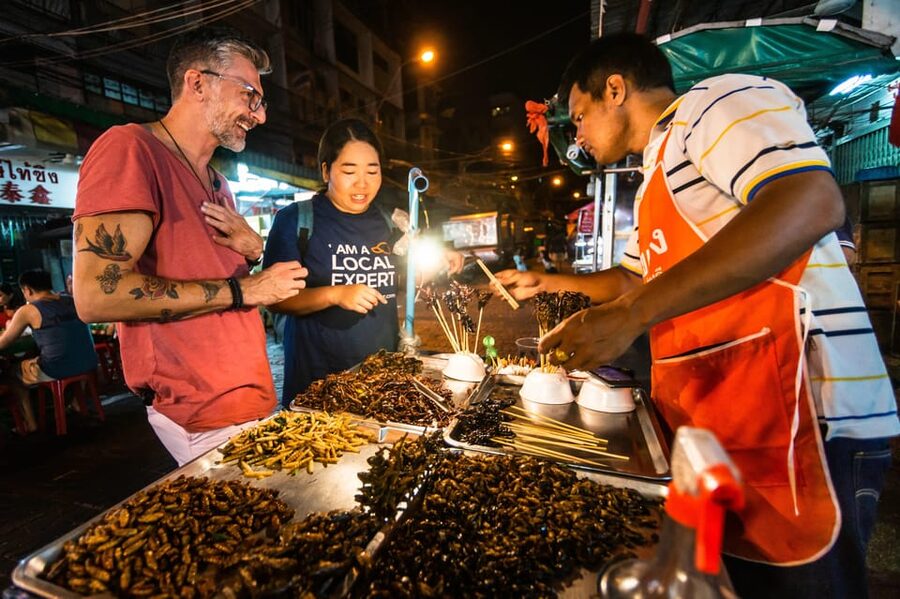
- A tight 2-hour loop in Yaowarat with focused eating stops instead of wandering with no plan
- Thai-Chinese classics you can actually name like dumplings, grilled pork, Pad Thai, and cold Chinese desserts
- A shrine visit at Guan Yin Shrine that adds context beyond food
- Short explanations that connect dishes to culture so you know what you are eating and why it matters
- Backstreet walking at night where local life matters as much as the stalls
- Bring a rain plan because heavy rain can affect how much you cover
Eat where the locals actually eat
Why Yaowarat Chinatown is where this tour makes sense
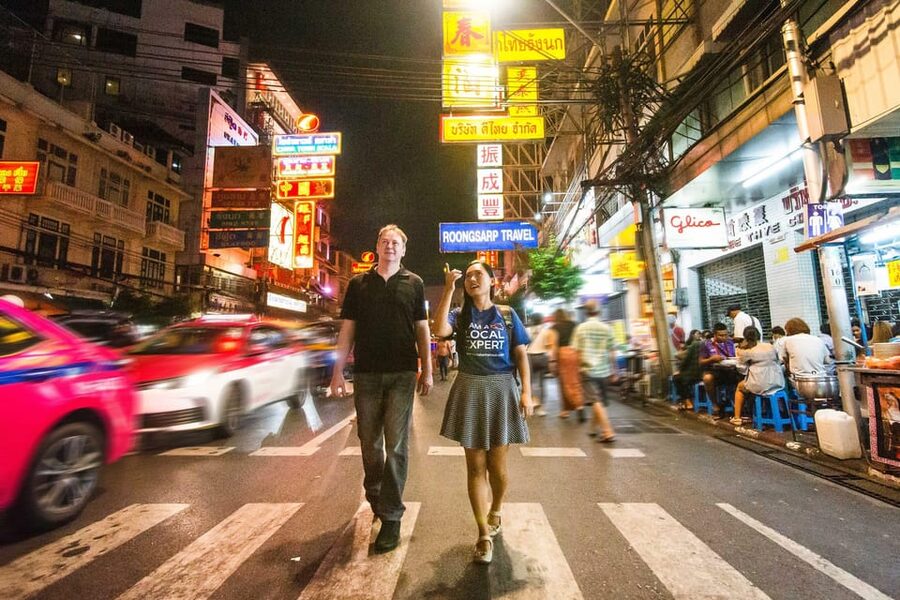
If you care about street food, Bangkok has a clear center of gravity, and it is Yaowarat, Chinatown. This tour uses that reality well. Instead of treating Chinatown like a photo backdrop, it aims you at places locals already rely on for late-day cravings: stalls, small eateries, and the kind of Thai-Chinese menu crossover you only see where communities have lived side by side for generations.
The best part, for me, is the mix of your senses. You are not just tasting flavors. You are also walking past old Chinese shrines, seeing everyday neighborhood rhythms, and picking up the cultural meaning behind what you eat. That combo is why this feels more like a guided night out than a food checklist.
One caution: a food tour is only as good as the guiding. On paper, this one is English and Thai. In real life, language skill can vary, so if you want lots of back-and-forth questions, keep your expectations realistic.
Price and value: what $46 really buys you
$46 for 2 hours looks simple, but value comes from what is included. Here, you get food and drinks as part of the price, plus an English guide, travel insurance, and admission or activity fees. That matters because street food in Chinatown can add up quickly once you are paying for multiple dishes on your own.
You are also buying structure. You do not have to decide where to go first, which stall looks best, or how to pace yourself across several different foods. The itinerary is built around a tasting stretch and then a walking segment to the shrine, so you get variety without spending the whole time searching.
What is not included is hotel pickup. That is typical for Bangkok walking food tours, but it does affect value if you are far from the MRT. You will want to plan your own way to Wat Mangkon so you arrive on time.
My rule of thumb: if you are staying near MRT lines and you like eating several different items in one go, this price is reasonable. If you hate walking, or you prefer to pick only one or two foods and linger at them, you might be happier doing it DIY.
Meeting at Wat Mangkon MRT Exit 1, and why timing matters
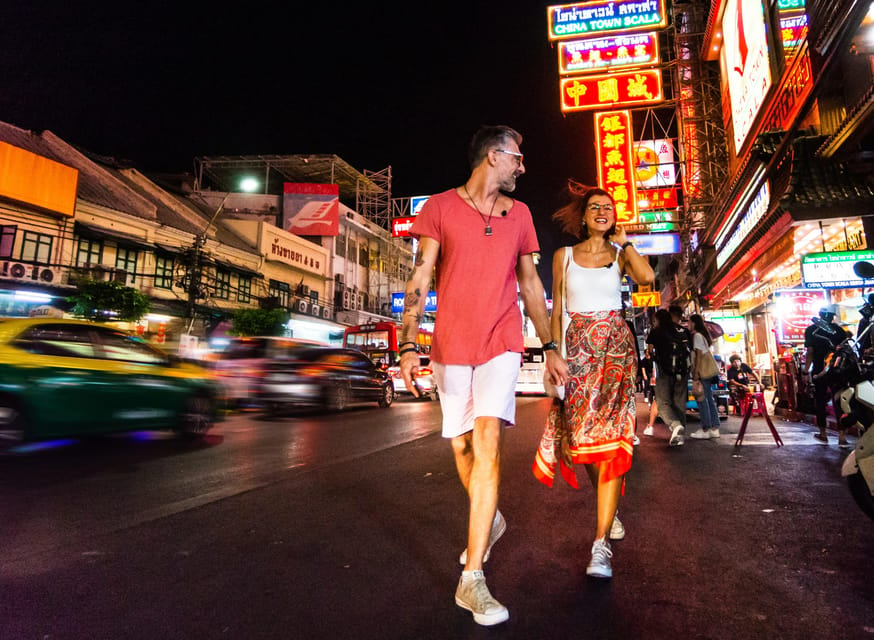
This tour meets at Wat Mangkon MRT Station Exit 1. That is a good sign for logistics. It means you are using the city’s transit spine to reach Chinatown, rather than relying on hotel pickup or a confusing rendezvous point.
The schedule is straightforward. You meet at 19:00, and the eating part starts at 19:15. You end around 21:30. That time window is deliberate. Chinatown food is best when the streets are lit up and people are out, not when you are arriving too early and the stalls are still setting up.
If you are the type who is always late, give yourself a buffer. Two hours disappears fast once you start drifting behind the group. If rain starts, you will feel that pressure even more.
Also note this practical item from the tour info: you might be asked for your email address to send extra details and an insurance form. And if you book less than 18 hours ahead, availability is not guaranteed. In plain terms, book earlier if you can, and keep your inbox ready.
Plenty else to do around Bangkok
The heart of the tour: backstreet tastings in Chinatown
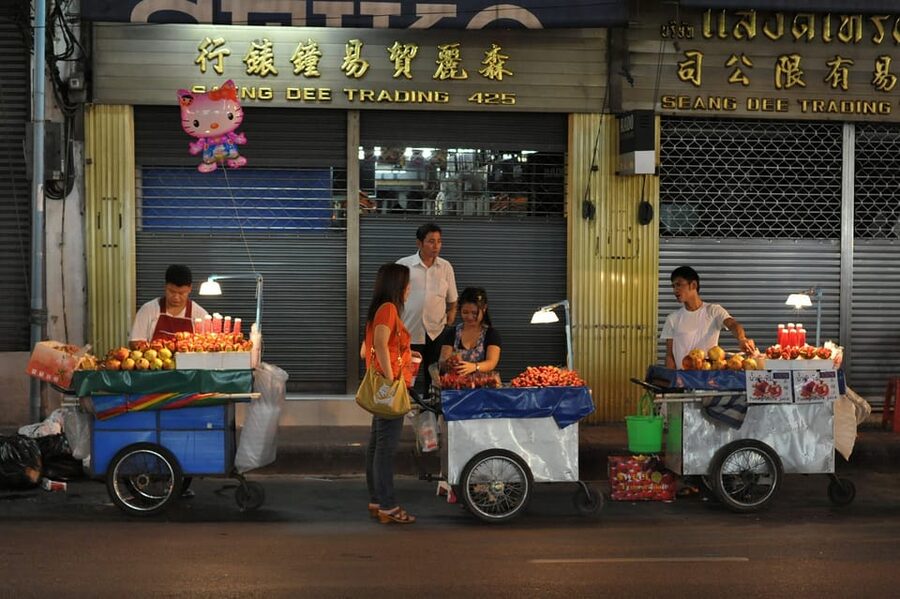
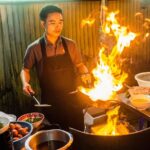
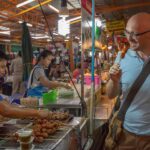
The main eating block runs for about 75 minutes, and it happens in the backstreets and side areas around Yaowarat. That is key. The “hidden in the backstreets” feel is not just marketing language. It is what helps you dodge the busiest, most touristy frontage streets and find places that feel more like local circuits.
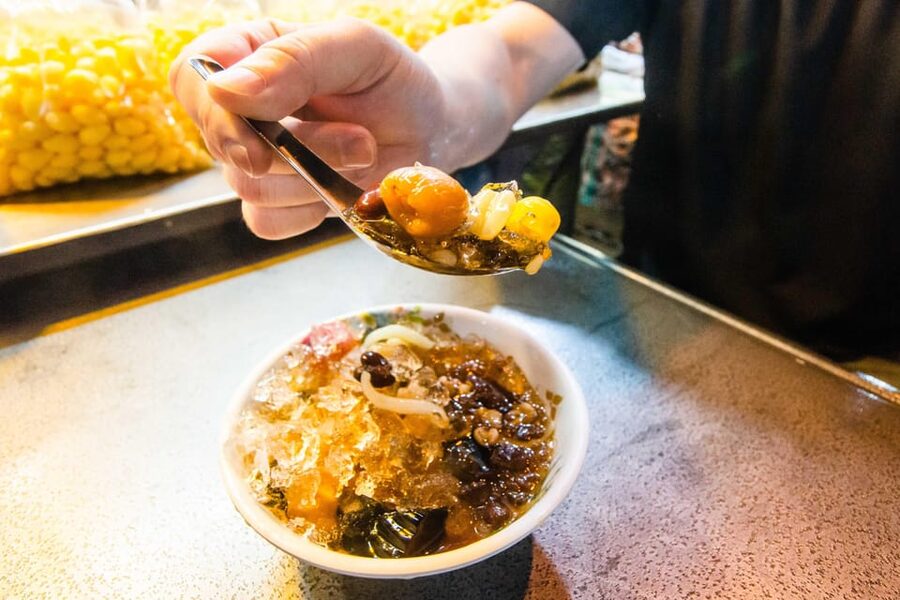
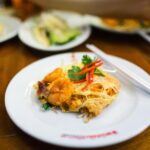
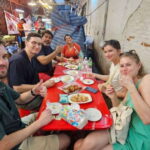
You start by heading into the food stalls and restaurants. Expect sampling across Thai-Chinese favorites and desserts. The tour specifically mentions Chinese dumplings, grilled pork, Pad Thai, and cold Chinese desserts. Those choices hit a nice balance:
- dumplings give you the Chinese technique side
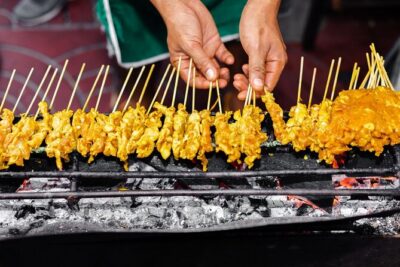
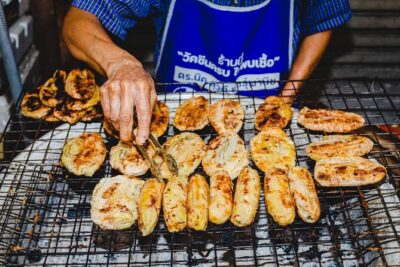
- grilled pork gives you the savory, smoky street-food comfort
- Pad Thai anchors the Thai half of the story
- cold Chinese desserts cool you down and finish the meal without turning it into a sugar overload
A quiet tip: if you have a sensitive stomach, slow down. Street food is great, but Chinatown can be intense. You are tasting multiple items in a short window, so take small bites first. If something is too strong for you, you can pace your remaining bites rather than powering through.
What you’ll taste: dumplings, grilled pork, Pad Thai, and cold desserts
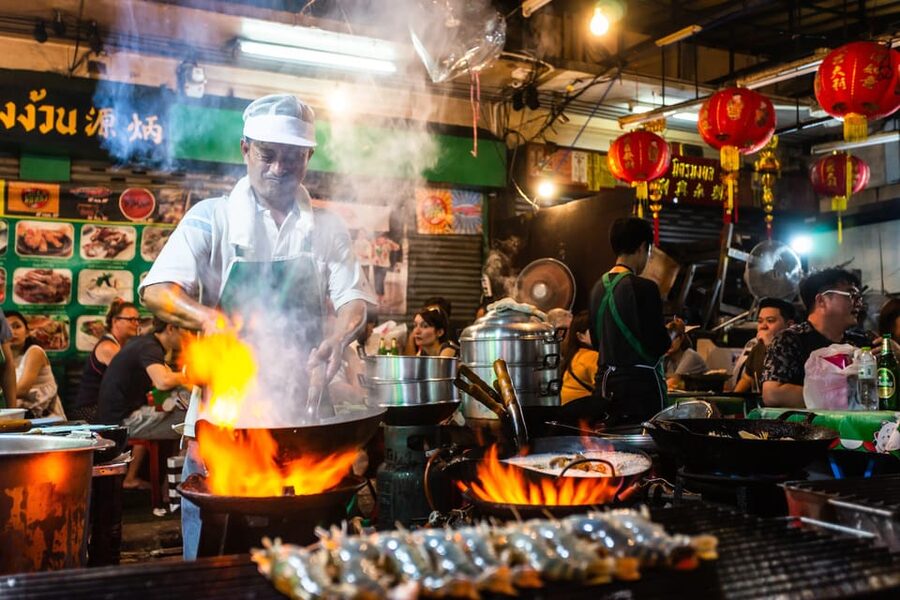
This is not a tour that only gives you one dish and calls it a day. You are meant to try a range, and the tour description does a decent job spelling out the menu mix.
Here is how I would think about it before you go, so you are prepared when the food starts appearing:
- Chinese dumplings: expect a filling you can eat warm and quickly. They are usually one of the best “first bite” items on any Chinatown tour because you can judge flavor and texture instantly.
- Grilled pork: look for smoky edges and a sweet-salty balance. This kind of street pork is popular because it is portable and crowd-friendly.
- Pad Thai: having this on the list is useful if you want the Thai side of Chinatown’s fusion, not only Chinese dishes.
- Cold Chinese desserts: this is the reset button. It cools you off after savory food and street walking. If you tend to get hot in Bangkok, prioritize slowing down for dessert, not rushing it.
The tour also says you will learn the rich stories and origins of each dish. You should not expect a full academic lecture in 2 hours, but you can ask for context. Good questions are simple:
- What makes this dish Thai-Chinese in this part of Bangkok?
- What ingredient or technique is the key?
- How do locals eat this, snack-style or meal-style?
If the guide’s English is not strong, these questions can still work if you keep them short and direct. You will get more out of body language and basic vocabulary than trying to ask for a long explanation.
One review mentioned a guide named Ken who could barely speak English and understood almost nothing of what was asked. That is a serious enough issue that I recommend you pick the tour date you can communicate expectations with. If you have dietary needs or want heavy interpretation, you might email ahead to confirm language comfort.
The shrine stop: what Guan Yin Shrine adds to a food-focused night
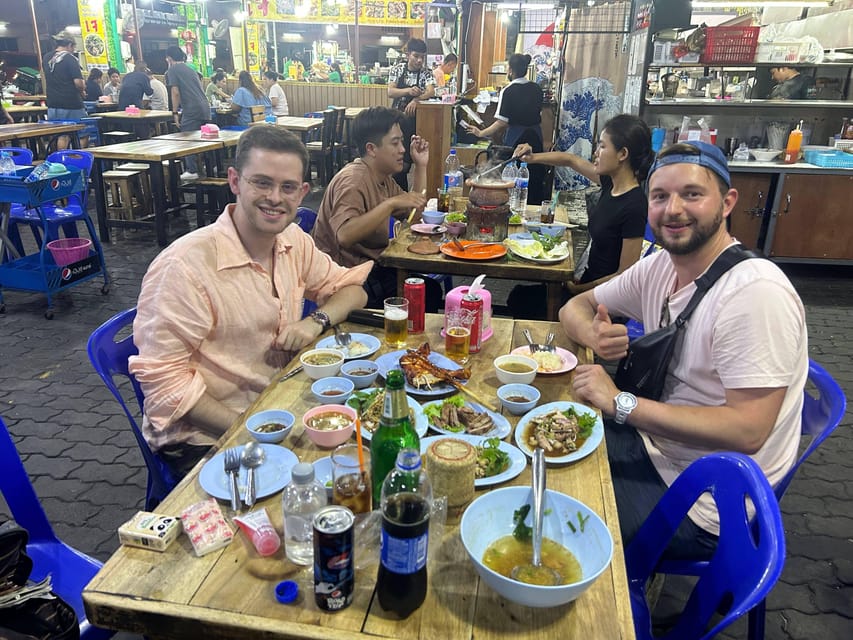
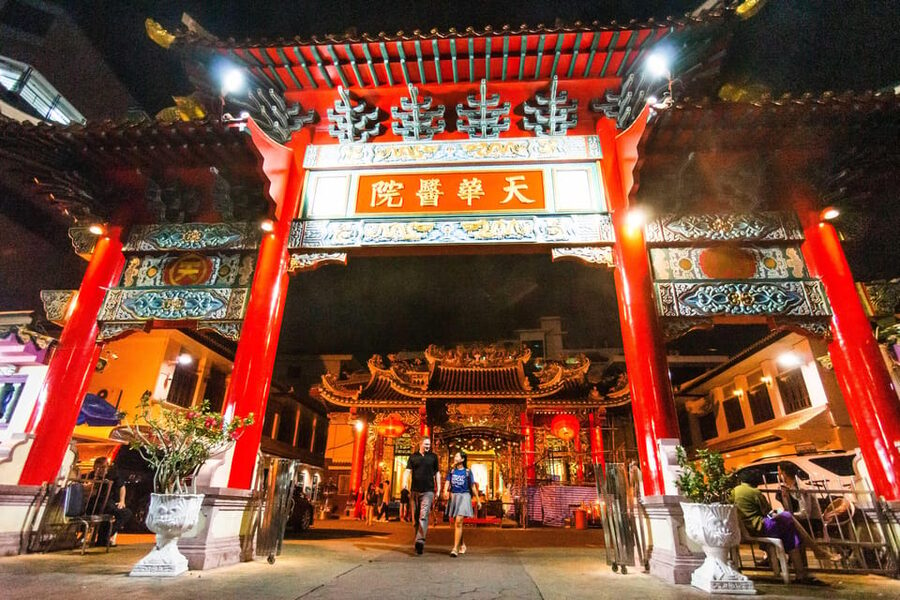
After you eat, the tour shifts from pure calories to culture. You walk along the road in Chinatown to see local life, then you visit an old Chinese shrine at the Guan Yin Shrine stop (about 30 minutes).
This part is why the tour feels different from a standard “eat and go” experience. Shrines and temples in Chinese communities are not decorations. They reflect how people maintain identity and spiritual practice across generations. Even if you are not religious, you can still appreciate the symbolism and how the space functions in everyday life.
What to do during the shrine visit:
- Look slowly at the details you would usually skip, like inscriptions and the layout.
- Notice how people behave when they arrive, what they do before they move on.
- Use the guide’s explanation time to connect the dishes you just ate to the community that eats them.
If you only care about food, this might feel like a pause. But if you like context, it makes the night feel cohesive.
Do keep your sense of time. 2 hours is not long, so you will not get a museum-style visit. Treat it like a meaningful stop, not a deep study session.
Walking pace, rain, and the real-world comfort level
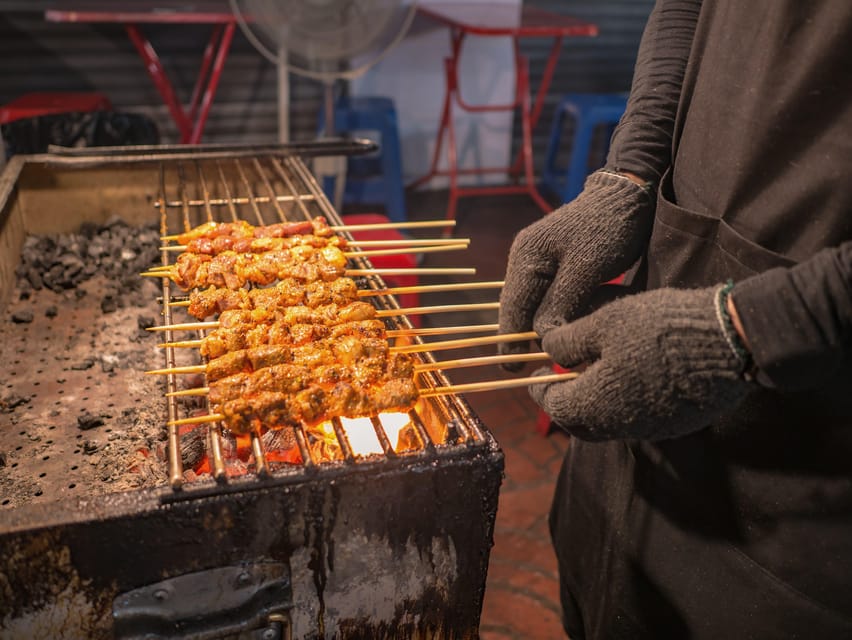
This is a street food tour at night, in Chinatown. That means you are dealing with sidewalks, crowds, and the possibility of rain. One review specifically cut the tour short due to heavy rain, and it turned a planned 2-hour evening into about 1.5 hours.
So plan for two realities:
- You might not finish every planned step if weather gets rough.
- You might have less room for explanations if the guide is managing the group quickly.
If you want the best chance of a full experience, bring a compact rain jacket and wear shoes that handle wet pavement. Chinatown streets can be slick and crowded, and nobody wants to slip when they are also trying to eat dumplings.
Also, because this is a private group and wheelchair accessible, you might think the pace will feel gentle. It likely will be organized. Still, you are outdoors and walking between stops, so bring a level of patience that fits Bangkok at night.
Guide quality: English is listed, but you should still plan for gaps
The tour info says the guide is English and Thai. That is a great start. But a tour like this is not only about listing foods. It is also about stories and origins, and those stories depend on communication.
The one low rating I saw mentioned Ken’s limited English and misunderstanding during the tour. I do not know if that was a one-off or if it reflects a broader pattern. Either way, it is enough for you to take a simple precaution: go in with short, clear questions, and do not rely on complex interpretation to make the tour worthwhile.
If you want a safe fallback, treat the food itself as the main attraction. You will still get dumplings, grilled pork, Pad Thai, and cold Chinese desserts. Even if explanations are minimal, those foods can still make the night feel like a win.
Who this tour is best for, and who should skip it
This works well if:
- you want a guided way to eat multiple Thai-Chinese street foods in a short window
- you like the Yaowarat area and want a structured route
- you enjoy cultural stops, not only eating
- you are staying near MRT and can meet at Wat Mangkon without hassle
It might not fit if:
- you want a long, slow food crawl or a deep museum-style shrine experience
- your priority is detailed narration and you are sensitive to language gaps
- you are not comfortable walking at night, especially in rain
Also note the group type is private. That can be a plus if you prefer less crowd pressure and more flexibility. But the core structure still stays fixed around the two-hour timeline.
Quick booking checklist so you get the most out of it
Before you book, I suggest you do three small things:
- Check you can reach Wat Mangkon MRT Station Exit 1 by 19:00 without stress
- Bring light rain protection, since heavy rain can shorten tours
- Keep your expectations flexible about how much detail you get from the guide
If you have dietary restrictions, the provided info does not spell out special accommodation. In that case, you should ask directly before the tour so you are not stuck deciding in the moment.
Should you book this Chinatown street food tour?
I would book it if you want a short, affordable evening that gives you Thai-Chinese street food variety plus a shrine visit in the Yaowarat area. At $46 for 2 hours with food, drinks, guide service, insurance, and fees included, it is good value if you would otherwise pay for multiple dishes while wandering on your own.
I would think twice if you are hoping for fluent, detailed English explanations no matter what the situation. One low rating mentioned a guide who struggled with English, and rain can also cut the tour short. If you can accept that and focus on eating and the overall walking experience, you are likely to enjoy it.
My bottom line: it is a solid choice for a first Chinatown night, especially if you want more than just street snacks and you like a bit of cultural context along the way.
FAQ
Where is the meeting point for the tour?
You meet at Wat Mangkon MRT Station, Exit 1.
How long does the tour last?
The tour duration is 2 hours.
What does the price include?
The tour includes food and drinks, an English tour guide, travel insurance, and admission or activity fees.
Does the tour include hotel pickup?
No, hotel pickup is not included.
What types of food will you taste?
The tour includes tastings such as Chinese dumplings, grilled pork, Pad Thai, and cold Chinese desserts, plus other Thai-Chinese street food items.
What time does the tour start?
The itinerary indicates you meet at 19:00, with the main start time at 19:15.
Is the tour wheelchair accessible?
Yes, the tour is listed as wheelchair accessible.
What languages are available for the guide?
The tour is listed as English and Thai.
Can I cancel for free?
Free cancellation is available up to 24 hours in advance for a full refund.
More Food & Drink in Bangkok
- Bangkok: White Orchid Chao Phraya Dinner Cruise free Beer★ 4.4 · 4,573 reviews
- Bangkok: Luxury White Dinner Cruise Free Flow Beer and Wine★ 4.0 · 748 reviews
- Bangkok Tuk-Tuk Tour by Night with Chinatown Street Food Meal★ 5.0 · 635 reviews
- Bangkok: Must-Try Hidden Bike & Food Experience★ 4.9 · 613 reviews
The newest additions around Bangkok
- Dream World & Snow Town in Bangkok with Return Transfer & Lunch
★ 4.5 · 3 reviews - Bangkok: Nong Nooch Garden
★ 5.0 · 3 reviews - Private tour to Ayutthaya and Lopburi Monkey Temple (from Bangkok)
★ 5.0 · 3 reviews - Guided Tour of Grand Palace & Emerald Buddha Temple in Bangkok
★ 5.0 · 3 reviews - Half Day DIY Grand Palace and Emerald Buddha Temple
★ 4.5 · 3 reviews - HD-01 Koh Rattanakosin old town cycling with The Giant Swing, and more
★ 5.0 · 3 reviews - Glittering Ayutthaya Tour to Famous Sights, Market & Sunset Boat
★ 4.5 · 3 reviews - Private Tour: The Best of Bangkok Temples – Half Day
★ 4.0 · 3 reviews
Bangkok Street Food Tours, compared.
Bangkok Backstreets Food Tour with 15+ Tastings
Read our review →
Bangkok Authentic Tasting Thai-Chinatown Walking Food Tour
Read our review →
Bangkok Tuk-Tuk Tour by Night with Chinatown Street Food Meal
Read our review →
Browse the lists this tour appears in