
Reviewed · BANGKOK
9 Days Experience Thailand Bangkok to the North, Small Group
Nine days, temples, markets, and mountain views. This small-group route from Bangkok to Chiang Mai strings together Thailand’s top heritage sights plus the Golden Triangle, with an English-speaking guide and air-conditioned transport doing the heavy lifting.
I like how much you pack into a logical path. You get Bangkok’s big-name monuments early, then you move north through Ayutthaya, Sukhothai, and Chiang Rai, before finishing in Chiang Mai with a full free day to breathe.
One thing to consider: the schedule is long on purpose, with 12-hour days most days. If you hate early mornings or prefer a slower pace, you’ll want to plan for rest breaks and solid shoes, plus you’ll need to follow temple dress rules.
In This Review
- Key highlights worth the attention
- The overall feel: a “see a lot” trip, run smoothly
- Landing in Bangkok with a clean start at the airport
- Royal Bangkok day: Grand Palace, Wat Po, and Wat Trimit’s Golden Buddha
- Maeklong Railway Market and Damnoen Saduak: the action part of Thailand
- Ayutthaya and Phitsanulok: where the past feels huge
- Morning prayers and UNESCO stops: Sukhothai and Si Satchanalai
- Lampang to Chiang Rai: Wat Rong Khun’s mirror-face moment
- Chiang Rai mornings and hill tribe culture, then onward to Doi Suthep
- Chiang Mai’s nature and craft stops: elephants, rainforest glass, and paper products
- Day nine in Chiang Mai: use your free time wisely
- Price and value: what you’re really paying for at about $1,512
- The guide and driver factor: where comfort becomes part of the experience
- Should you book this Bangkok to Chiang Mai tour?
- FAQ
- How long is the tour?
- What is the maximum group size?
- Is an English-speaking guide included?
- Are entrance fees included?
- What meals are included?
- Does the tour include airport transfers?
- Where do you meet on arrival in Bangkok?
- Is hotel pickup included in Bangkok?
- Is the tour refundable if you cancel?
Key highlights worth the attention
- Max 10 travelers, so the day feels organized without feeling crowded
- Grand Palace plus Golden Buddha temples in Bangkok, including Wat Trimit
- Maeklong Railway Market and Damnoen Saduak for classic market action
- Wat Rong Khun with mirror-inlaid detail from the 1990s
- Golden Triangle day with a Mekong boat trip and a Laos Island stop
- Chiang Mai finale with Doi Suthep and a real temple view payoff
Bangkok doesn't stop at one stop, so here's what else is close by.
The overall feel: a “see a lot” trip, run smoothly
This is a hands-on Bangkok to Chiang Mai tour built for people who want the highlights without playing logistics roulette. You start with a meet-and-greet at Bangkok airport, then you’re carried from hotel to hotel with an English-speaking guide and air-conditioned transportation.
The best part is how the route builds momentum. You don’t just hop randomly from city to city. You move north in stages, so each day’s sights make sense: royal Bangkok first, then ancient Ayutthaya and Sukhothai, then the more unusual temples and natural stops around Chiang Rai, and finally Chiang Mai’s top viewpoint temple.
And because the group max is 10, you’re not stuck feeling like a pin in a crowded tour bus. You still have a packed itinerary, but the pacing feels more humane than big-group tours.
Landing in Bangkok with a clean start at the airport
Your day one starts right at Bangkok airport. You meet a representative at gate number 6 in the Customs Hall exit area, inside the terminal, holding a sign with your name. They’ll help you get on the transfer to a centrally located hotel.
Why this matters: after a flight, you want friction-free help. The tour doesn’t make you figure out transport and directions while you’re jet-lagged.
Then you get the rest of the day free. This is a smart design choice. Bangkok is huge, and your free time is where you can orient yourself, grab a meal, and decide what you want to tackle on your own.
Royal Bangkok day: Grand Palace, Wat Po, and Wat Trimit’s Golden Buddha
Bangkok days on this tour are all about “big wow” monuments, and day two is the strongest sampler.
You’ll visit the Royal Grand Palace first. It’s described as a complex of buildings, with the note that it served as a royal residence from the 18th century into the mid-20th century. Even if you’re not into royal history, the scale and details can still hit hard, especially once you see it from the inside.
Next comes Wat Po, Bangkok’s oldest temple, including the famous gold leaf-covered reclining Buddha. This is one of those sites where you can’t really rush. You’ll want a few minutes just to let your eyes adjust to the decoration density.
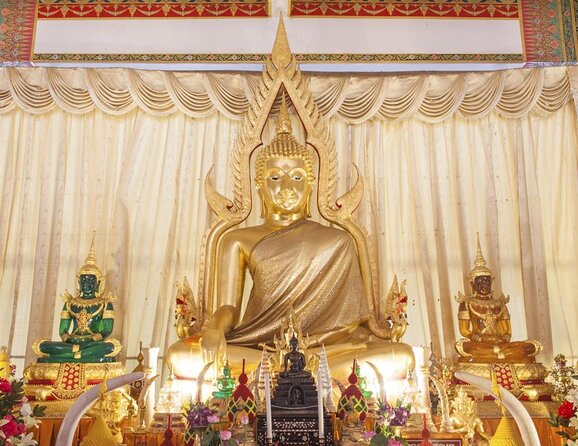
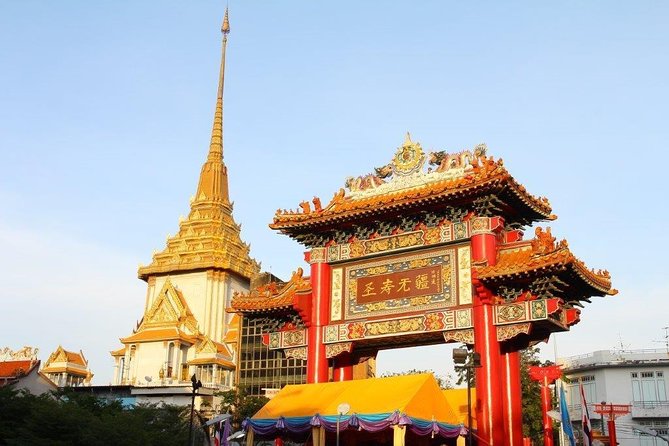
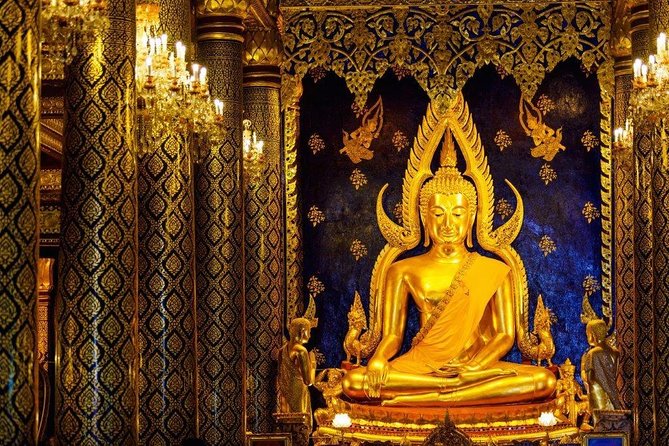
Finally, you’ll hit Wat Trimit, home to the 5.5-ton Golden Buddha. It’s the kind of stop that turns a normal temple visit into a full-on photo moment, and it pairs well with Wat Po because the styles are different but both still feel intensely Bangkok.
Practical note: temple visits mean sensible clothing. The tour info is clear: no sleeveless shirts, shorts, short skirts, or skimpy outfits. Also, you’ll need to remove shoes when entering temples or private buildings.
Keep scrolling, there's usually one more worth booking.




Maeklong Railway Market and Damnoen Saduak: the action part of Thailand
Day three takes you out of the city for two markets with very different energy.
First is Maeklong Railway Market, also known as Talad Rom Hoop. The key detail here is timing. A train passes through the market, and it happens fast enough that you’ll likely feel your brain scramble for a second before everything clicks. The tour guide is there to explain the background, but the star is the moment itself.
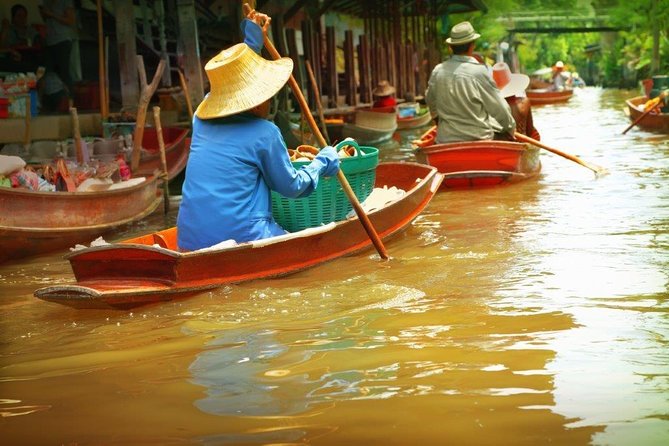
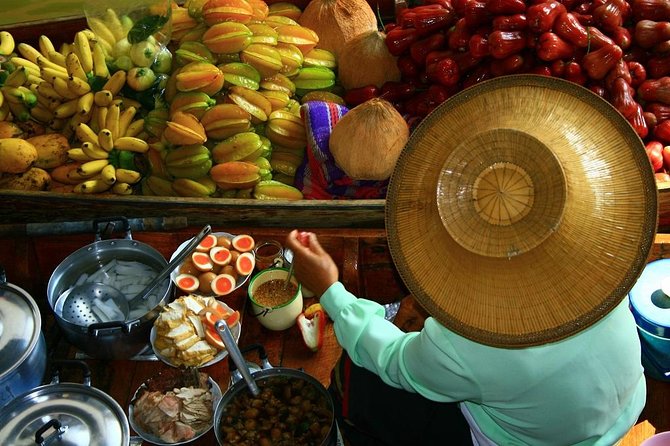
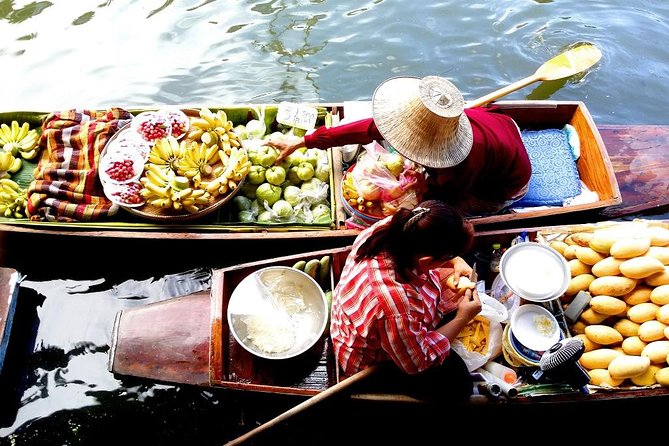
Then you go to Damnoen Saduak Floating Market, one of the best-known floating markets in Thailand. You’ll see vendors paddle through canals in sturdy canoes carrying fruits and vegetables, and you’ll do the classic thing: shopping from the water, bargaining with merchants along the banks.
Why I like pairing these two: one market is built around a railway event, the other around canal life. You’re not repeating the same photo concept, and you get a feel for how many ways Thailand can organize commerce and daily rhythm.
You also get breakfast included and you return to Bangkok overnight, so it’s full-day but not punishingly long in the sense of ending on the road. It’s a day with a clear arc.
Ayutthaya and Phitsanulok: where the past feels huge
Day four shifts you into Thailand’s former capital story with the Ayutthaya ruins and temple complexes.
You start with the Bang Pa-In Summer Palace of Rama V. It’s a “palace stop,” but it works because it’s not only about buildings. It’s part of the long Thai habit of creating ceremonial spaces that feel designed for watching the world around you.
Then you head to Ayutthaya and visit key temple sites in Ayutthaya Historical Park, including Wat Yai Chaimongkhon, Wat Mahathat, and Wat Phanan Choeng. If you’ve only ever seen Thai temples in a modern setting, Ayutthaya changes the mood. You’re surrounded by the scale of what used to be, and the temple layouts feel like they were made to be landmarks in a much bigger world than today.
Lunch is included at a restaurant in Chai Nat, and then you continue to Phitsanulok for an orientation tour and check-in at the Imperial Hotel and Convention Centre Phitsanulok.
This day is valuable for one reason: it gives you an introduction to Ayutthaya before you go deeper into northern archaeology. It’s easier to understand later ruins once you’ve seen a major capital site first.
Morning prayers and UNESCO stops: Sukhothai and Si Satchanalai
On day five, the tour leans into temple life and heritage sites that are UNESCO-level famous.
You begin at Wat Phra Si Rattana Mahathat, where you join locals in morning prayers and offerings. That kind of inclusion matters because it’s not just sightseeing from the outside. You’re seeing how worship looks on an ordinary morning, which changes the feel of the place.
Then you travel to Sukhothai to explore the Sukhothai Historical Park, a UNESCO World Heritage Site. You’ll admire ruined temples and palaces, plus Buddha statues of all sizes. The ruins can feel spread out, so you’ll want comfortable walking shoes and patience for photo pauses.
Lunch is included en route at a local restaurant, then you continue to Si Satchanalai. This area is known for ruins of half a dozen temples, including Wat Phra Si Rattana Mahathat. The best part of Si Satchanalai is that it feels less like a single checklist stop and more like a quieter ancient zone.
If you like architecture and symbolism, this is one of the best days on the trip. It’s not “only temples,” but it’s close to that in a satisfying way.
Lampang to Chiang Rai: Wat Rong Khun’s mirror-face moment
Day six moves you deeper north with a mix of temple craftsmanship, a lake break, and one of Thailand’s most visually distinctive modern temples.
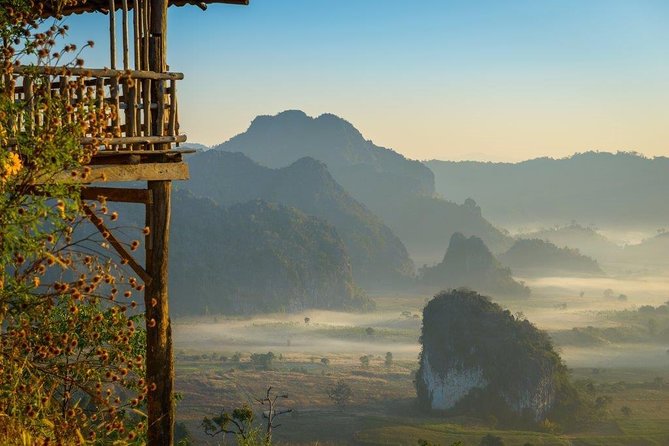
You start with Wat Phra That Lampang Luang, known for elaborate decorations and Buddha statues. Then you stop around Phayao Lake for a coffee break. That break is more than a perk. Long travel days feel easier when you get a small reset.
After that comes Wat Rong Khun in Chiang Rai. It’s built in the 1990s, and the defining feature is the ornate white exterior with embedded mirror pieces, which gives it that bright, otherworldly look. This is the kind of temple where you’ll keep noticing details after your first glance.
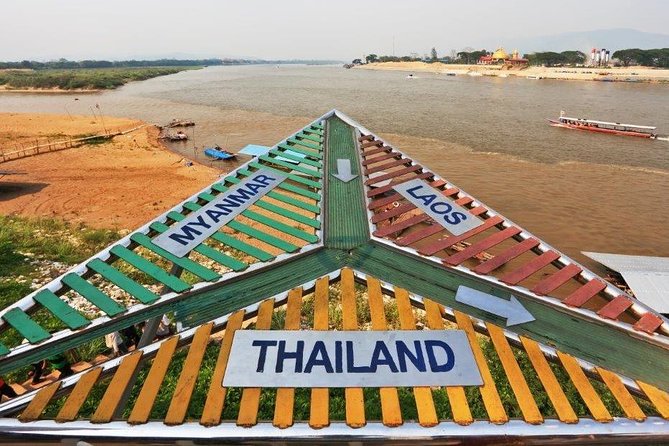
For lunch, you head into Chiang Rai. Then the tour shifts into the Golden Triangle area, known as the zone where Thailand, Laos, and Myanmar meet. The “infamous” label comes from its historical connection to opium production, and the tour includes the 212 House of Opium for context.
You also get a boat trip in the Mekong River plus a stop at Laos Island. That combination is a good way to understand the region as geography, not only as stories. You’ll see how the river shapes movement, viewpoints, and daily life.
Chiang Rai mornings and hill tribe culture, then onward to Doi Suthep
Day seven begins in Chiang Rai with two very human culture stops.
You start at the Chiang Rai morning market and you’ll also visit Wat Phra Kaew briefly. Then you go to the Hill tribe Museum and Education Centre, where the lifestyles and survival challenges of mountain peoples are explained.
Important for planning: this is a cultural education stop, not a show. If you want a deeper understanding of how communities live and keep going in the highlands, it’s a useful one. If you only want temples and scenic views, you might find it slower, but it adds context that makes the rest of the north feel more grounded.
After that you travel by road to Tha Ton and have lunch, then you continue on to Chiang Mai.
In Chiang Mai, the centerpiece is Wat Phra That Doi Suthep, one of Thailand’s most revered temples, set on a mountain with panoramic views over the city. The tour includes a cable car option to get up there, which is a practical way to reach the viewpoint without turning your whole day into uphill slogging.
This day is where you start feeling the switch from heritage ruins to living city energy. You’re still in temple mode, but now you’re looking at a modern city spread below.
Chiang Mai’s nature and craft stops: elephants, rainforest glass, and paper products
Day eight is built around gentler pacing and hands-on curiosity.
First up is Elephant Poopoopaper Park, described as an eco-friendly, naturally built outdoor museum park that explains the steps in making paper products from elephant poop fibres. The concept is unusual, and that usually makes the stop memorable, especially if you like learning how products get made rather than just buying souvenirs.
You then visit the Queen Sirikit Botanical Garden in Mae Rim. The garden’s purpose is botanical research, biodiversity, and conservation of Thailand’s natural plant resources. If you need a break from temple architecture, this is a strong change of pace.
You’ll also see the Tropical Rainforest house, which is the largest conservatory of its glass complex, with a floor space of 1,000 square metres and a height of 33 metres. It holds tropical species like palms, and the vertical feel inside the greenhouse can be a welcome reset from outdoor sun.
The tour also includes a stop at Baan Tipmanee, a wooden workshop. That’s another good choice for value because it’s a cultural craft encounter, and you’ll likely see how design skills connect to everyday materials.
Day nine in Chiang Mai: use your free time wisely
Day nine keeps things easy. You start with breakfast, then you have free time to explore Chiang Mai at your own pace, before a departure transfer to Chiang Mai International Airport is included.
The tour describes Chiang Mai as the Rose of the North. Even if you never say that phrase out loud, you’ll understand why once you see the mix of green spaces and laid-back city feel.
Here’s how I’d use your free day with this itinerary behind you:
- If you loved temples, you can revisit a favorite area slowly.
- If you want shopping and snacks, aim for a market hour in the morning when it feels more comfortable.
- If you just want recovery, pick one park or one temple and take it slow.
Because your previous days are packed, this free time is not filler. It’s what makes the trip feel fair.
Price and value: what you’re really paying for at about $1,512
At $1,512.30 per person, the price looks steep until you break down what’s included.
From the tour details, you’re getting:
- 8 nights’ accommodation
- Air-conditioned transportation throughout
- An English-speaking guide
- Entrance fees and activities listed in the itinerary, including the Grand Palace, Wat Trimit, floating and railway markets, Summer Palace of Rama V, Ayutthaya temple visits, UNESCO Sukhothai sites, Wat Rong Khun, Golden Triangle stops, and key Chiang Mai visits
- Breakfast (8) and Lunch (5)
- Airport meet-and-greet in Bangkok plus transfer to Chiang Mai airport at the end
- A mobile ticket
- The tour is capped at 10 travelers, which matters more than many people think
That mix is the value story. Many separate day tours would cost more once you add transport, guide time, and ticket fees. Here, you’re paying for an organized northward route where you rarely have to negotiate what to do next.
What you should watch for:
- Pickup from outer Bangkok hotels is not included, so your hotel location may affect whether you get pickup.
- Drinks, personal expenses, and gratuities for the driver and guide are not included.
- Flights and visa fees are not included.
If you want a guided plan with entrance fees handled and meals partially covered, this can feel like a fair deal. If you hate rigid timing and prefer to design every day yourself, you may feel boxed in.
The guide and driver factor: where comfort becomes part of the experience
One highlight in the experience you’re considering is care from the people running the trip.
In a recent account of this tour, the guide was Ram and the driver was Aran, and the pair were praised for doing the essentials well, including keeping people transported and well looked after, with food and water handled during the day.
That kind of reliability matters on a route with lots of temples, lots of walking, and travel between regions. When the guide is strong, you spend less time waiting, re-checking plans, and worrying. When the driver is strong, the route feels calmer even when the day starts early.
So when you book, you’re not just buying tickets to temples. You’re buying a full-day workflow that can make or break this kind of itinerary.
Should you book this Bangkok to Chiang Mai tour?
I think this tour is a good booking if you want Thailand’s core highlights in one guided sweep, especially if you’re traveling without a lot of extra days. The small group size helps, and the inclusion of entrance fees and multiple meals makes the logistics simpler than building the trip on your own.
Book it if:
- You want Bangkok, Ayutthaya, Sukhothai, Chiang Rai, and Chiang Mai all in one trip
- You like market sights like Maeklong Railway Market and Damnoen Saduak
- You’re interested in both traditional temples and distinctive modern stops like Wat Rong Khun
- You’re happy with a fast-paced but guided schedule
Skip it or consider a slower alternative if:
- You prefer fewer long driving days and more time to linger in each place
- You get cranky with early mornings and 12-hour days
- You want complete freedom to pick your own temples and routes without a timetable
If that sounds like you, this is likely a strong fit.
FAQ
How long is the tour?
The tour runs for 9 days, with each day listed as approximately 12 hours.
What is the maximum group size?
The tour has a maximum of 10 travelers.
Is an English-speaking guide included?
Yes. The tour is operated with an English-speaking guide.
Are entrance fees included?
Yes. The tour includes entrance fees and activities mentioned in the itinerary, including major sites like the Grand Palace and Wat Trimit.
What meals are included?
Breakfast is included for 8 days, and lunch is included for 5 days. Some meals are not specified as included, so you’d plan for those on your own.
Does the tour include airport transfers?
Yes. There is a meet-and-greet on arrival at Bangkok airport, and there is a departure transfer included to Chiang Mai International Airport.
Where do you meet on arrival in Bangkok?
At Bangkok Suvarnabhumi Airport, you collect luggage and go to the exit in the Customs Hall, then make your way to gate number 6 inside the terminal to meet the representative holding your name sign.
Is hotel pickup included in Bangkok?
Pickup is offered, but pick-up from outer Bangkok hotels is not included.
Is the tour refundable if you cancel?
No. This experience is non-refundable and cannot be changed for any reason.
The newest additions around Bangkok
- Central Thailand Walking Tour and visit Temple at Bangkok
★ 5.0 · 1 review - Private 2-Day Bangkok City Tour and Ayutthaya Tour from Bangkok
★ 5.0 · 1 review - Train Market, Floating Market, and Salt Lake Tour by driver
★ 5.0 · 1 review - Fullday Private Tour Bangkok Temple & City Tour with lunch+Amazing Bangkok Tour
★ 5.0 · 1 review - Bangkok: One Day Thai Costume Rental (Gentleman)
★ 2.0 · 1 review - Laem Chabang Shore Excursion : Shopping, Massage & Food Tasting
★ 5.0 · 1 review - Bangkok Dream World & Snow Town Theme Park Admission Ticket
★ 3.0 · 1 review - Bangkok 4 Hour Cultural & Temples Tour Private with Guide
★ 5.0 · 1 review